
Last updated November 15, 2026
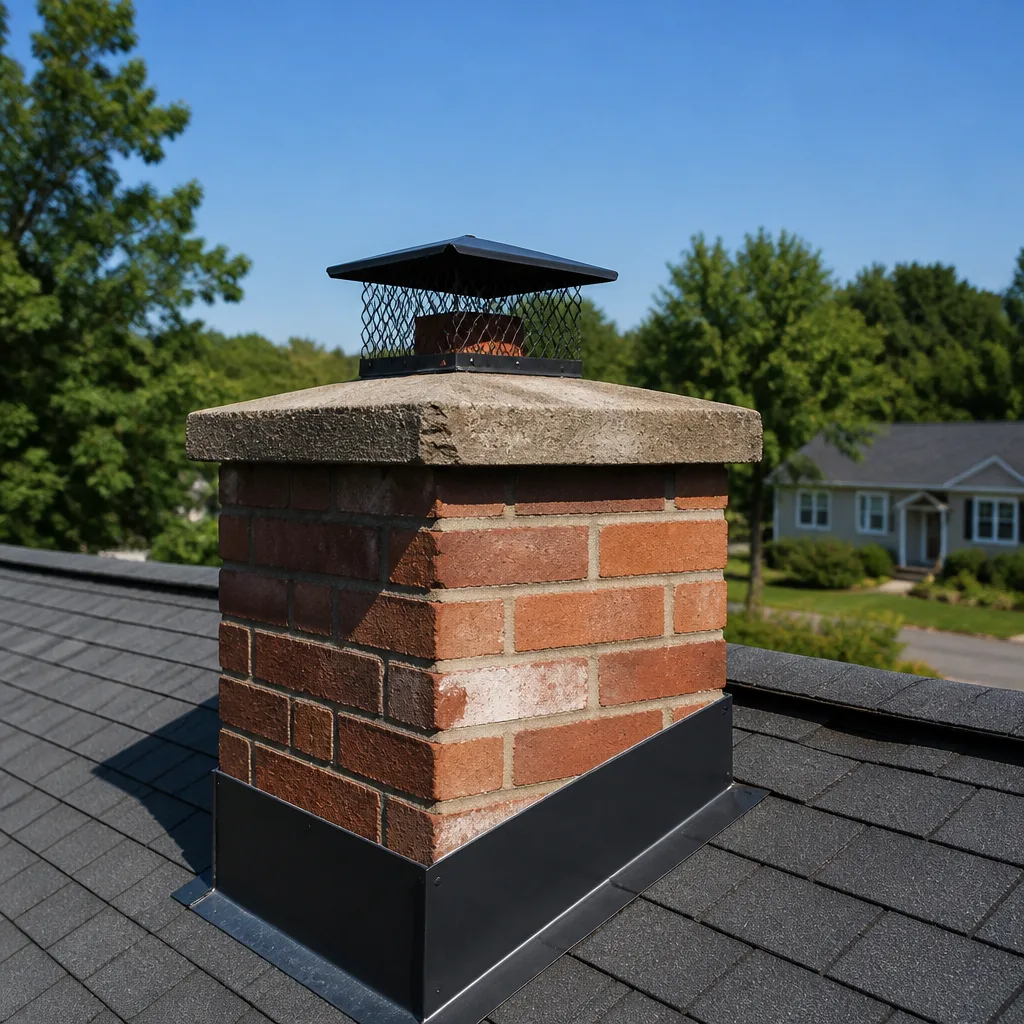 Sweep & inspection
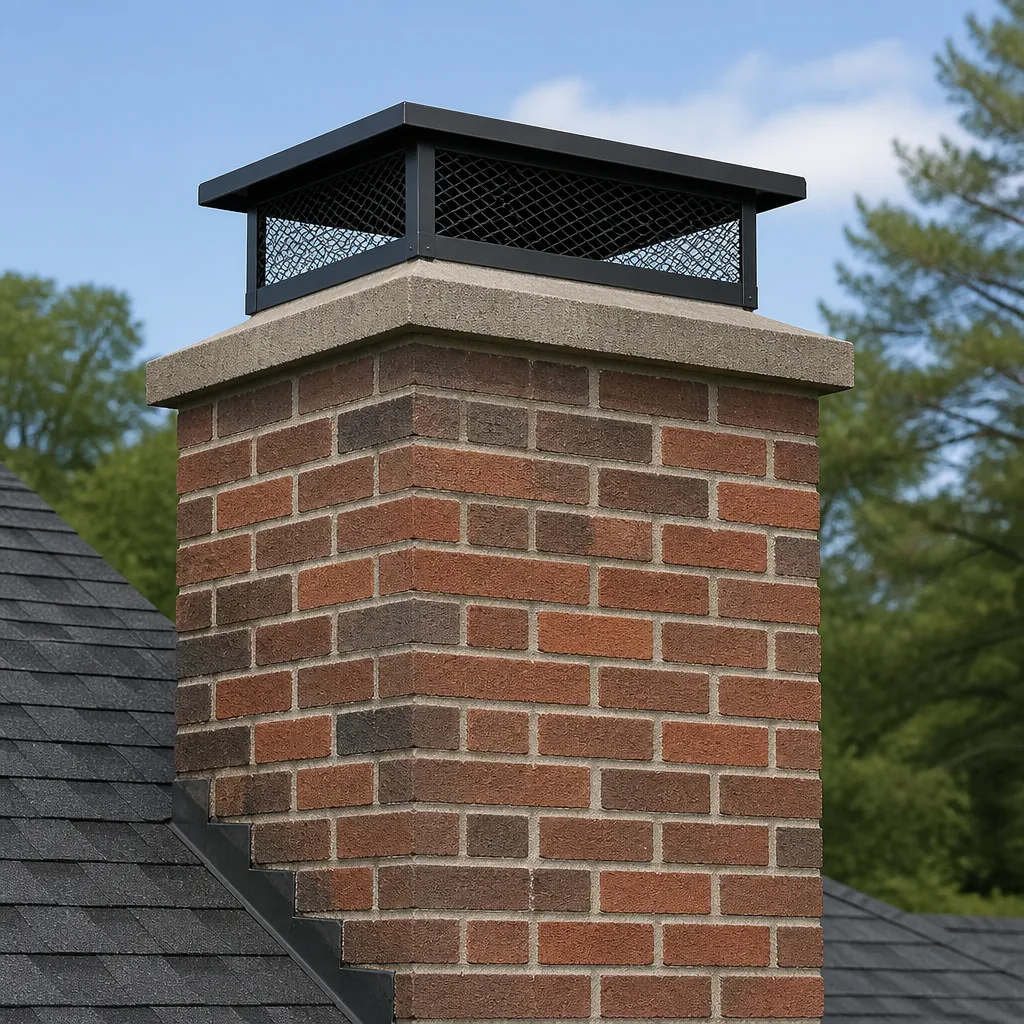 Caps & crowns
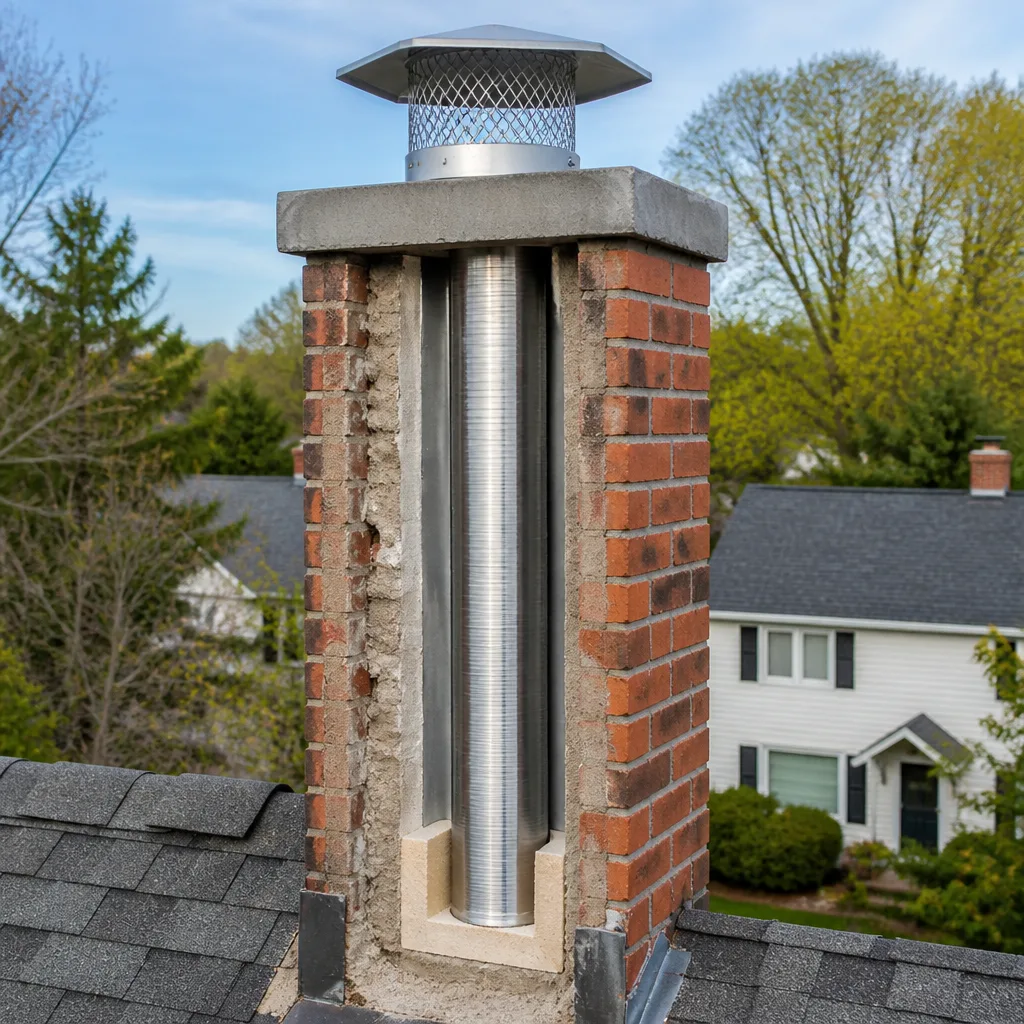 Flue relining
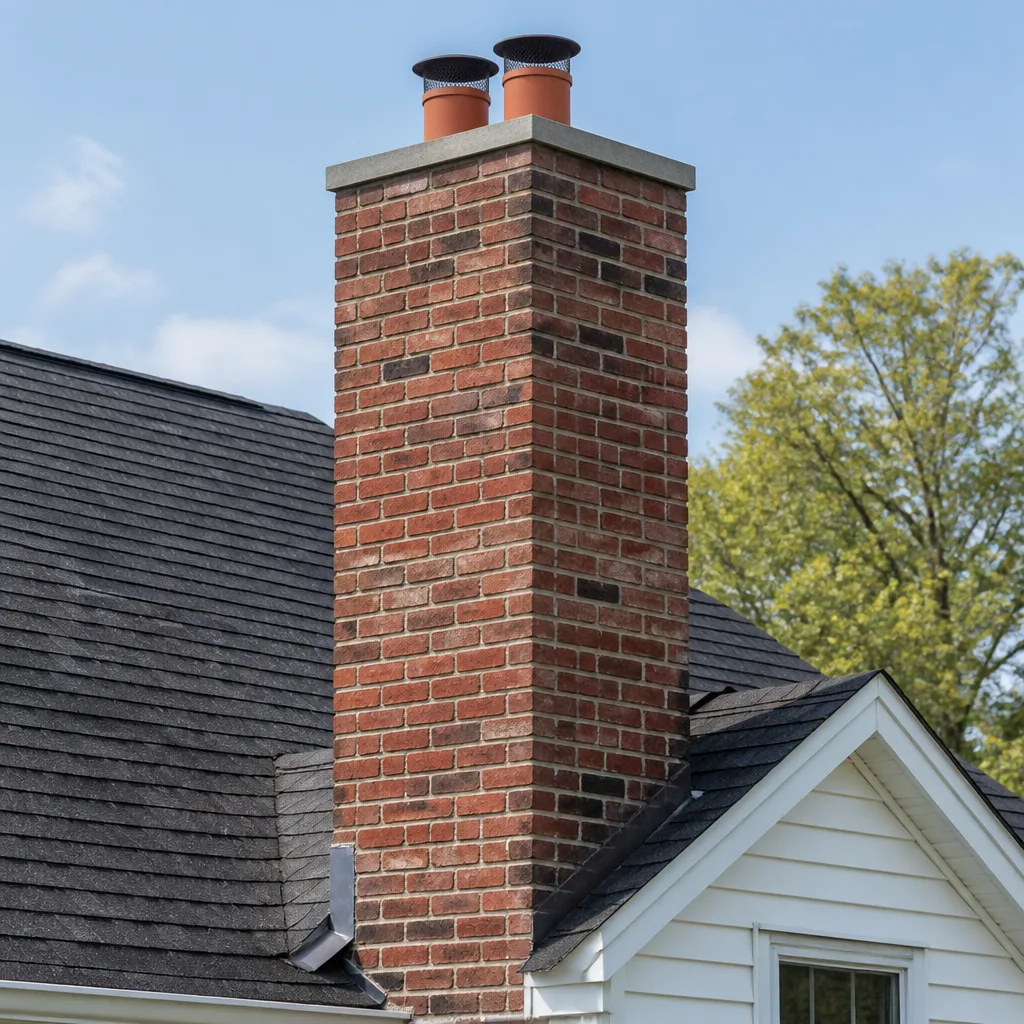 Masonry repair
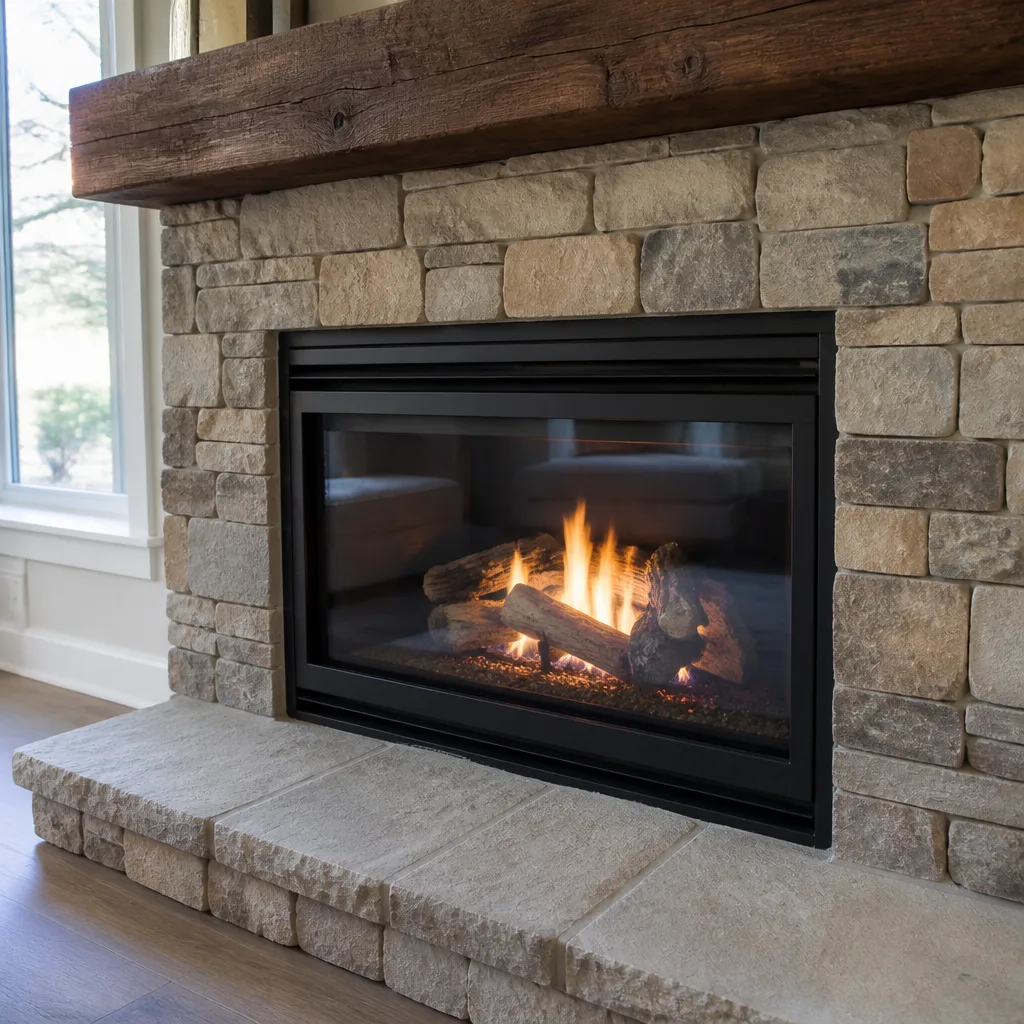 Gas fireplace service
Level 1 sweep and inspection to the NFPA 211 annual standard - flue, crown, cap, and flashing checked and photographed
Chimney sweep logs do not sweep chimneys. They loosen some creosote - which then falls where a brush and vacuum still have to collect it.
Chimney Sweep Troubleshooting in Brandon: Common Problems and How to Fix Them
A smoky firebox in Brandon usually isn’t the same problem as a smoky firebox up north. Homeowners assume smoke means creosote, so they book a sweep and expect the issue to disappear. Then the fireplace smokes again the first cool night they use it. In our experience, the cause is more often moisture intrusion, a draft problem in a tightly built house, or a chimney that sits idle ten months a year and never gets warm enough to pull properly. This guide walks through the diagnostic logic a trained sweep actually uses, so you can recognize what’s happening before you pay for the wrong fix.
Quick Answer
The most common chimney problems in Brandon, FL are water intrusion through a failed cap or flashing, white efflorescence and spalling on the exterior chase, draft failure from negative pressure in tight modern homes, and odor from a chimney that sits unused through the humid months. Creosote buildup matters, but it’s rarely the whole story in a subtropical climate, and treating every symptom as a creosote problem leads to repeat repairs. A proper diagnosis starts with a Level 2 inspection that looks at the flue, the cap, the flashing, and the pressure dynamics of the house together.
Styles & brands we work with
- Sweep & inspection
- Caps & crowns
- Flue relining
- Masonry repair
- Gas fireplace service
Table of Contents
- Why Brandon’s Humidity Causes Chimney Problems Most Homeowners Don’t Expect
- What White Staining on Your Chase Is Really Telling You
- Diagnosing Draft Failure: Negative Pressure vs. Blockage vs. Flue Sizing
- The Recurring Odor Problem Nobody Diagnoses Correctly
- When a Level 2 Inspection Is Warranted (and When a Standard Sweep Is Enough)
- Chimney Cap Failure: The Quiet Cause of Repeat Repairs
- How a Real Diagnostic Sweep Works, Step by Step
- Matching the Repair to the Problem
Why Brandon’s Humidity Causes Chimney Problems Most Homeowners Don’t Expect
Chimney guidance written for cold climates assumes the chimney gets hot regularly. In Brandon, most fireplaces see a handful of fires a year during a short cool season, and the rest of the year the flue sits cold and damp. That single fact changes almost everything about how a chimney fails here.
High humidity means the masonry and the flue are absorbing moisture from the air even when it isn’t raining. Clay tile liners are porous. When a flue stays damp and then heats up quickly during the first fire of the season, the trapped moisture expands and stresses the tile. Over time, that shows up as hairline cracks in the flue, which are a real safety problem because they let combustion gases escape into the structure of the house. Homeowners rarely notice because the tile looks fine from the firebox.
The other local factor is the long idle season. A chimney that sits for ten months accumulates moisture, debris, and sometimes a nesting animal. It also builds up a thin film of organic material that causes the odor problem covered below. Nothing about this is dramatic, but it’s cumulative and it happens faster than most people assume.
Three things we watch for specifically in Brandon homes:
- Soft or crumbly mortar joints in the firebox and smoke chamber, which indicate sustained moisture exposure rather than heat damage
- Cracked flue tiles found during camera inspection, often with no visible symptom from the firebox
- Rusted damper assemblies and rust streaks below the damper, which point to water coming down the flue
None of these show up in a basic sweep-and-go. They require looking with a camera and understanding the local climate pattern. That’s the core reason we treat every call as a diagnostic event, not just a cleaning.
What White Staining on Your Chase Is Really Telling You
A white powdery stain on the exterior of a brick or masonry chimney is called efflorescence, and it’s almost always a water management problem, not a cosmetic one. The stain is salt pushed to the surface as moisture migrates through the masonry and evaporates. By the time you can see it, water has already been moving through the chimney structure for a while.
Left alone, efflorescence progresses to spalling. The brick face flakes and pops off because the water inside it is expanding and contracting with temperature swings. Once spalling starts, the chimney isn’t just ugly, it’s losing structural capacity. This matters for the crown at the top, the mortar joints that hold the whole thing up, and eventually the flue itself.
The fix isn’t to reseal the brick and call it done. Sealing a damp chimney traps the water inside and makes the problem worse. The actual fix is to find where the water is getting in and close that path. In our experience in the Brandon area, the sources break down roughly like this:
- The crown at the top has cracked or pulled away from the flue, letting water straight into the chimney
- The chimney cap has failed, rusted out, or was never properly fitted
- Flashing at the roof line has opened up, often where the original install used improvised metal rather than purpose-built components
- Spalling brick or mortar joints on the chase are absorbing rain directly
We use Famco and Gelco components for flashing and cap work specifically because these are purpose-built chimney parts, not hardware-store workarounds. A chase cover or a cap that’s made for chimney work lasts far longer than a general-purpose piece fitted by a roofer or a handyman. The homeowner cost of ignoring efflorescence is a full rebuild eventually. The cost of fixing it early is a cap, a crown repair, and a flashing replacement. That math is not close.
Diagnosing Draft Failure: Negative Pressure vs. Blockage vs. Flue Sizing
A fireplace that smokes is a symptom, not a diagnosis. There are three completely different causes, and each one needs a different fix. Getting this wrong is the single most common reason a homeowner pays twice for the same problem.
Start by mapping what the smoke actually does, because the timing tells you the cause.
Negative Pressure
Smoke that spills into the room as soon as you light the fire, then worsens when the furnace or the kitchen exhaust fan runs, is almost always negative pressure. Modern Brandon homes are tightly built, and anything that pulls air out of the house makes the chimney the path of least resistance for replacement air. The chimney drafts backward. You don’t fix this with a sweep. You fix it by giving the house makeup air, by improving the chimney’s ability to draft, or by correcting the flue sizing.
Blockage
Smoke that won’t draw at all from the start, or a firebox that feels like it’s fighting you, points to an obstruction. A blocked flue from a bird nest, a squirrel nest, or debris is common in a humid climate where chimneys sit open. Carbon monoxide risk goes up sharply with an obstruction because the combustion gases have nowhere to go but into the living space. This is the scenario where we do not want the homeowner experimenting with the fire.
Flue Sizing Mismatch
Smoke that appears only during later stages of a fire, or only when the fire is burning hot, often points to a flue that’s too large or too small for the firebox opening. A flue that’s oversized cools the exhaust gases too fast, so the chimney loses its draft. An undersized flue can’t move the volume at all. The fix requires measuring the firebox opening and the flue cross-section. That’s a job, not a guess.
If any of this feels familiar, a proper diagnostic inspection is the next step. Our chimney repair work always starts with the diagnosis, and the diagnosis is what tells us whether the answer is a cap, a liner, or a draft correction. Call (866) 501-5479 for a free estimate. We answer 24/7. Fast dispatch from 7am to 7pm, Sunday through Friday.
The Recurring Odor Problem Nobody Diagnoses Correctly
A chimney that smells strongly of creosote or soot, especially on warm days or after rain, is the most misdiagnosed complaint in humid climates. Homeowners assume the chimney needs a sweep. A sweep often reduces the smell temporarily, then it comes right back. That cycle happens because the sweep didn’t address the cause.
The actual chain of events looks like this. A chimney with a failed cap lets moisture in. The moisture combines with residue on the flue walls to create a smell that becomes very noticeable when the house warms up, because the warm air moves the smell into the living space. If the cap is missing entirely, the problem is worse, because the chimney is also open to rain, leaves, and animals. The smell has nothing to do with creosote volume. It comes from the water.
The second common cause is a chimney that’s cold and damp from the idle season. Organic material, sometimes a thin film of mold, develops on the firebox and flue walls. You can’t sweep that out. You can dry the chimney out, and you can stop the water intrusion that caused it in the first place. We’ve seen homeowners spend money on repeated sweeps for an odor problem a cap replacement would have fixed.
A short diagnostic sequence helps you sort this out:
- Check whether the smell is worse on warm or wet days. If yes, moisture is involved.
- Look at the cap from the ground with binoculars. A missing, rusted, or poorly fitted cap points directly at the answer.
- Look for water stains or rust streaks inside the firebox below the damper.
- Consider whether the chimney has a top-sealing damper. A properly fitted top-sealing damper keeps the flue closed against moisture and animals when the fireplace isn’t in use, which solves most of this in one step.
If the cap is the problem, it’s a quick fix using a proper Famco or Copperfield cap sized to the flue. A cap that actually fits and seals is the difference between a chronic odor problem and one that disappears.
When a Level 2 Inspection Is Warranted (and When a Standard Sweep Is Enough)
A standard sweep with a Level 1 inspection covers a chimney that’s in known condition and just needs cleaning. A Level 2 inspection is a comprehensive look using a camera and covers all accessible parts of the chimney, the flue, and the connections. The decision about which you need comes down to a short list of triggers.
You need a Level 2 inspection if any of the following is true:
- The home has changed hands since the last documented inspection
- The appliance has changed, including a new wood stove, insert, or a switch to a different fuel
- There’s been a chimney fire, even a small one
- There’s visible damage to the chase, the cap, or the flashing
- The chimney has a persistent odor, draft failure, or smoking problem
- The last inspection was years ago and records are missing
- The house has been through a weather event that could have damaged the chimney or the roof around it
A standard sweep is usually sufficient when a chimney is in regular use, is on a known inspection cycle, and has no symptoms. In our experience, though, most Brandon chimneys haven’t been inspected properly in years, and that makes a Level 2 the smarter starting point. A camera inspection with a photo report tells you what’s actually inside the flue, rather than what a visual check from the firebox suggests.
If the camera shows cracked tiles, gaps, or deterioration, the repair path often runs through a liner replacement. DuraFlex liner systems are what we specify for full relining because they’re designed for chimney use and can be fitted to the existing flue geometry. A HeatShield resurfacing is sometimes the better fit when the flue is intact enough to restore rather than replace. Both are professional-grade approaches. Neither is a hardware-store solution.
Chimney Cap Failure: The Quiet Cause of Repeat Repairs
A chimney cap is the single most important piece of equipment on the outside of the system, and it’s also the one homeowners forget exists until it fails. The cap keeps out rain, animals, and debris. When it rusts through, comes loose, or was never properly fitted in the first place, everything downstream gets damaged.
The chain of consequences from a failed cap goes like this. Rain enters the flue. The flue tile absorbs the water and begins to crack. The damper rusts. Odors develop. Efflorescence appears on the chase. A sweep might notice water damage during a routine cleaning, but unless they actually look at the cap and diagnose why the water is entering, the sweep won’t fix the cause. That’s how a chimney ends up with repeat repairs over several years without anyone solving the underlying problem.
What a proper cap replacement involves:
- Measuring the flue and the chase so the cap fits the actual chimney, not approximately
- Choosing a cap rated for the local conditions and the appliance type, which is where Famco and Copperfield caps fit into the picture
- Sealing the cap properly at the crown so water can’t channel underneath it
- Checking the crown for cracks while the cap is off, since that’s the moment to fix the crown if it needs it
We treat the cap as one part of a weather-resistant system, not a stand-alone purchase. If you’re replacing it, that’s the moment to look at the flashing, the crown, and the chase together. One visit covers all of it if it’s planned correctly.
How a Real Diagnostic Sweep Works, Step by Step
A proper sweep in Brandon isn’t just a brush up the flue. It’s a diagnostic appointment that starts with questions and ends with evidence. Here’s the sequence we follow, and what each step is meant to catch.
- Ask the history questions. When was the chimney last swept? What appliance is connected? Has the house been sold, and have any appliances or venting changes happened since? Has there been a chimney fire, even a small one? This step is the difference between a sweep and a guess.
- Inspect the firebox and smoke chamber visually. Look for crumbling mortar, rust below the damper, and any water traces. This is where the moisture picture starts to come together.
- Run a camera inspection of the flue. A camera shows cracks, gaps in tile joints, and residue patterns that a visual check can’t reach. Get a photo report of what we found, so you can see it too.
- Check the exterior. Look at the cap, the crown, the flashing, and the chase for efflorescence or spalling. This is how a water problem gets identified before it becomes a structural one.
- Sweep the flue with the right brush for the liner material. Clay tile, metal liners, and HeatShield-restored flues each need a different approach. A generic sweep risks damaging the wrong liner.
- Test the draft. Run a smoke test or use a draft gauge to confirm the chimney is pulling correctly. This is the step that catches negative pressure and flue sizing problems.
- Walk through the findings and the options. No recommendation without the photo evidence to back it up. If the sweep is enough, we say so. If a repair is needed, you get to see the actual condition of the flue, not just a verbal claim.
This is what we mean by treating the chimney as a system. Our technicians have up to 10 years of experience, and the diagnostic sequence is what that experience looks like in practice. If a problem is found, we fix it ourselves, which means you’re not chasing down a second contractor after the sweep. One call covers inspection, cleaning, and repair. When you need a diagnostic chimney sweep, that’s the process you should expect.
Matching the Repair to the Problem
The most expensive mistake in chimney work is applying the wrong fix. Here’s how each common problem maps to the correct repair, and why it matters.
- Efflorescence and spalling on the chase: the repair is water management first, masonry second. A new cap, corrected flashing, and crown repair come before any cosmetic brick work. If the source isn’t closed, the spalling returns.
- Cracked flue tiles: a DuraFlex liner system or a HeatShield resurfacing, depending on the condition of the existing flue. Both are professional-grade approaches, and the choice comes down to what the camera shows.
- Failed crown at the top of the chimney: rebuild the crown to shed water away from the flue. A flat crown that pools water will fail again.
- Flashing leaks at the roof: remove and replace with proper chimney flashing, using Famco or Gelco components made for the job. Improvised metal from a hardware-store kit is why so many chimneys leak at the roof line.
- Missing or failed cap: replace with a properly sized cap from a chimney-industry brand like Copperfield or Famco. Fit matters as much as the cap itself.
- Draft problems: the fix depends on the cause, which is why the draft test matters. Negative pressure, blockage, and sizing mismatch are three different jobs.
What ties these together is the same principle: we specify the right product for your flue system, and we install it ourselves. That’s the reason we work with DuraFlex, HeatShield, Famco, Copperfield, Gelco, and Olympia Chimney. They’re the brands that hold up in real chimney work, and they’re what a generalist contractor or a DIY fix can’t match.
Common Mistakes to Avoid
- Assuming smoke means creosote. In Brandon, a smoky fireplace is more often a draft or moisture problem. A sweep won’t fix either one.
- Sealing efflorescence without finding the water source. A masonry sealer on a damp chase traps the water inside and accelerates spalling. Fix the cap, crown, and flashing first.
- Using a hardware-store cap on a chimney. A general-purpose cap fits poorly and rusts quickly. The correct cap is sized to the flue and rated for the appliance.
- Skipping the camera inspection. A visual check from the firebox misses cracked flue tiles entirely. Camera inspection plus a photo report is the standard.
- Hiring a separate repair contractor after a sweep. It’s the most common path to a repeat problem, because the diagnosis and the repair are being done by two different people who never talk to each other.
- Running a fire in a chimney that hasn’t been checked after a long idle season. Animals and debris get in through a failed cap, and the first fire can push carbon monoxide back into the house.
- Ignoring the odor because it’s “just a smell.” It’s usually a sign of moisture getting in, and the moisture is what damages the flue over time.
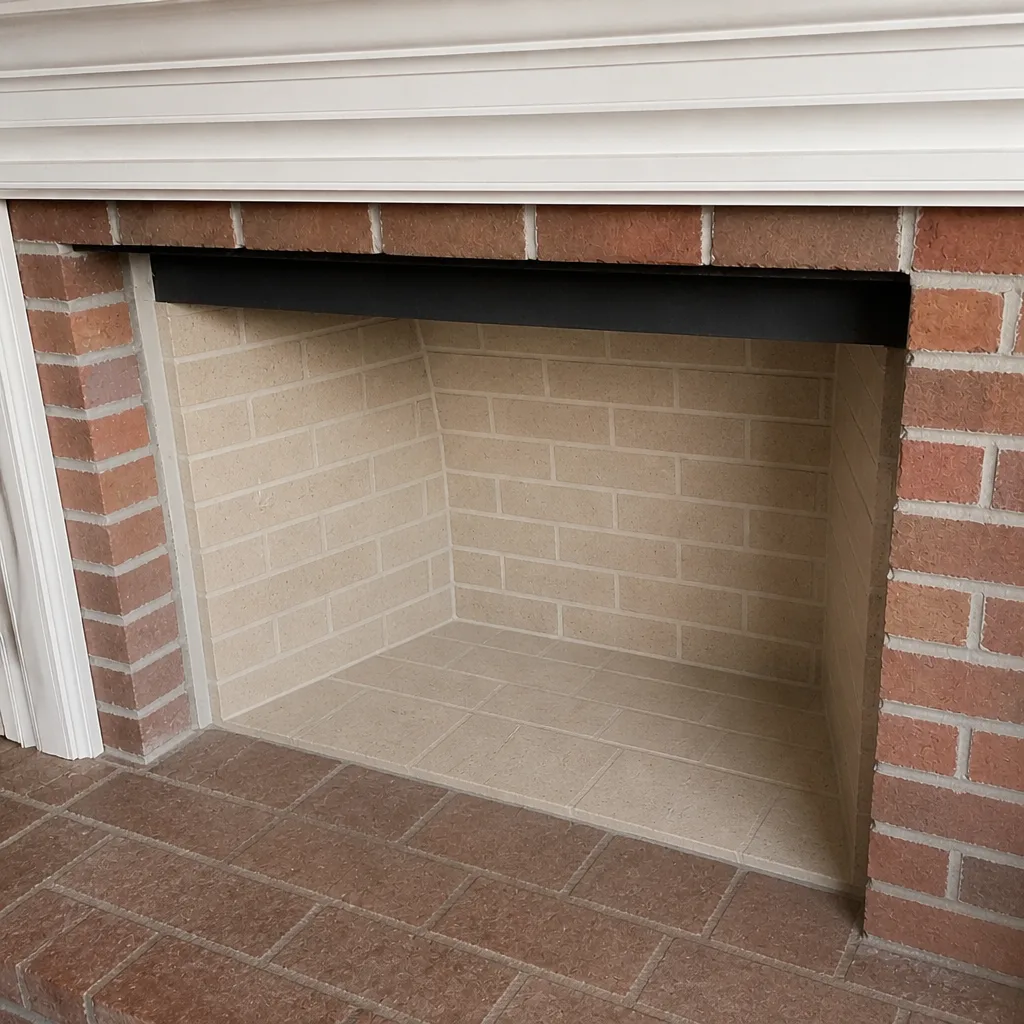
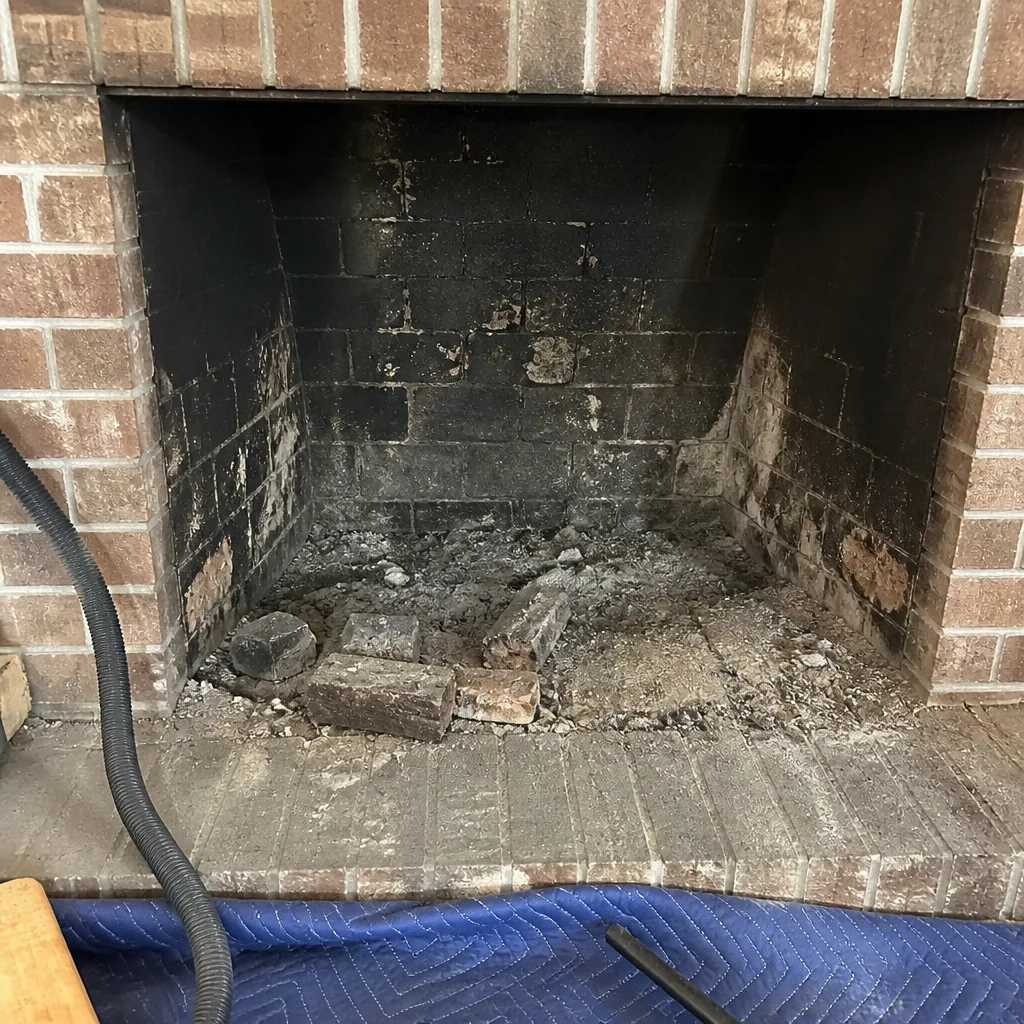
See the difference
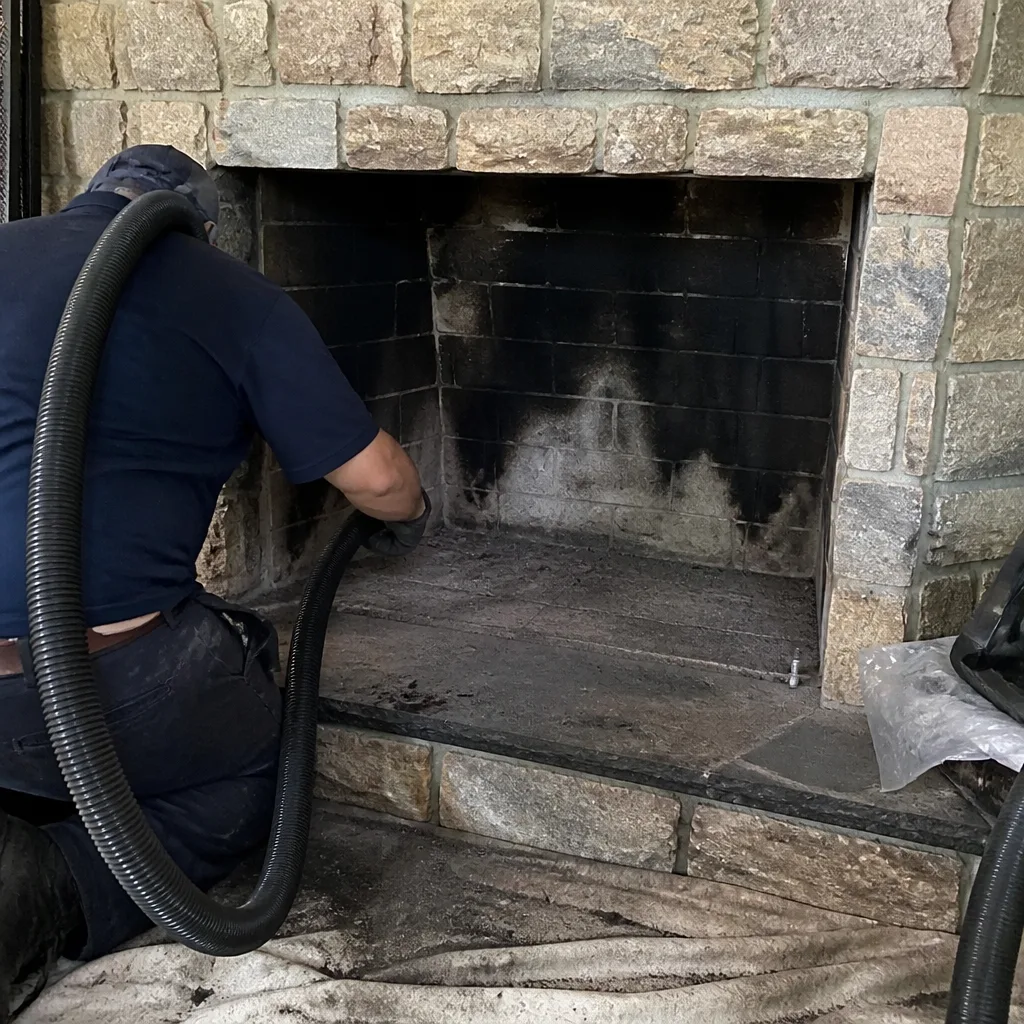 Before
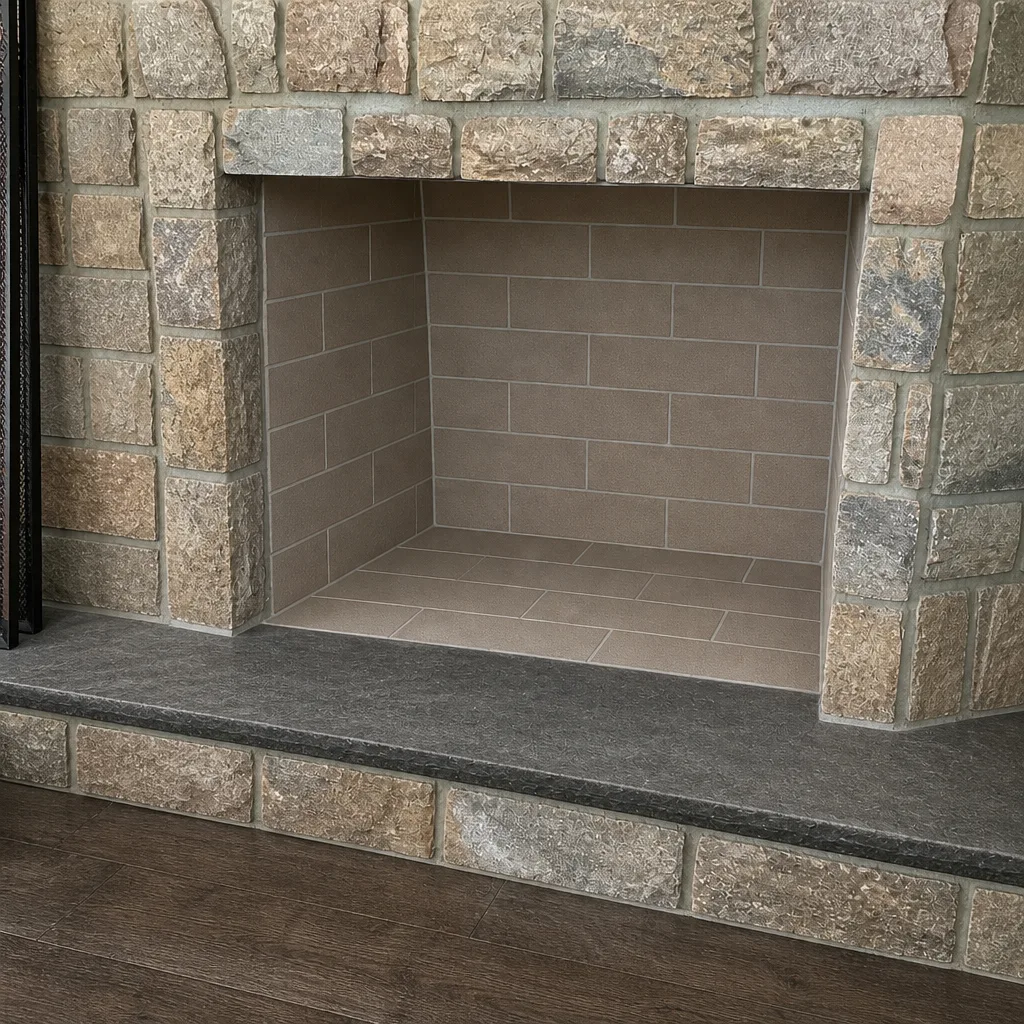 After
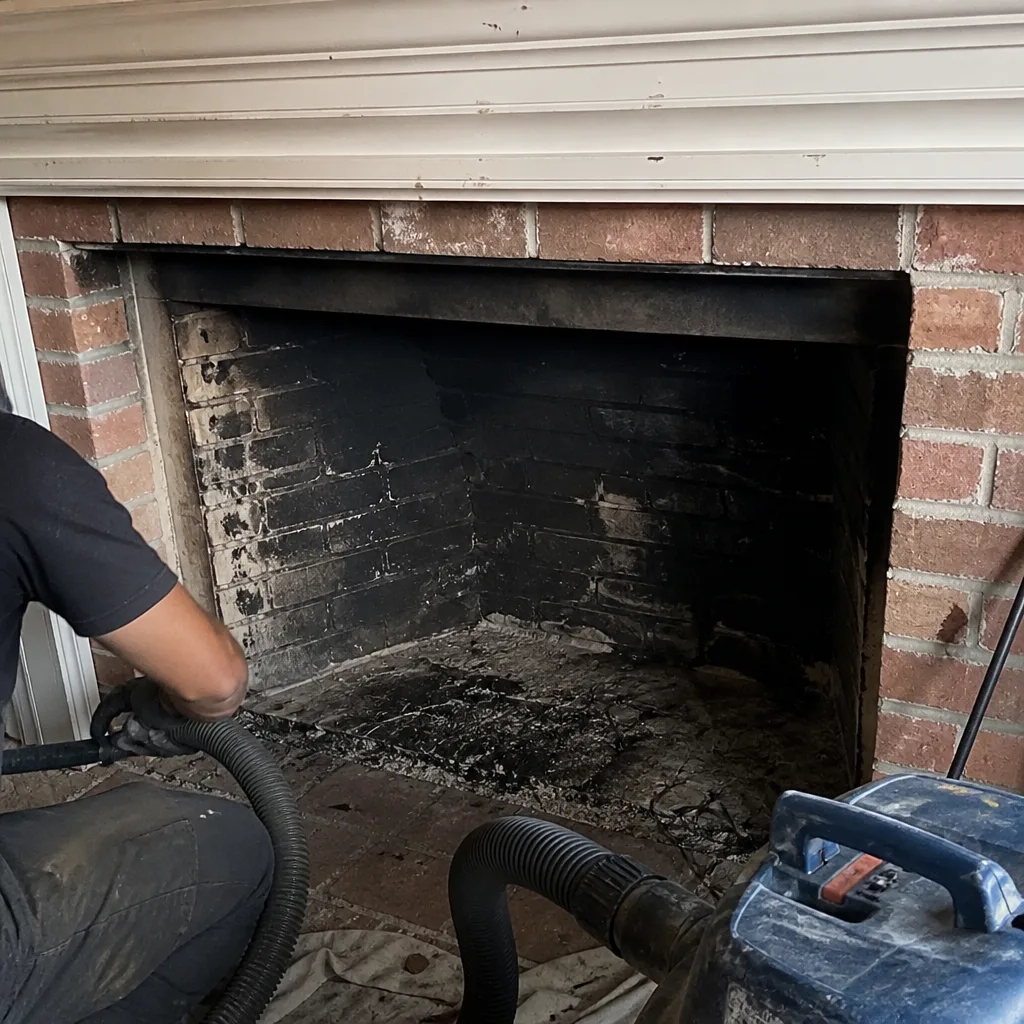 Before
 After
 Before
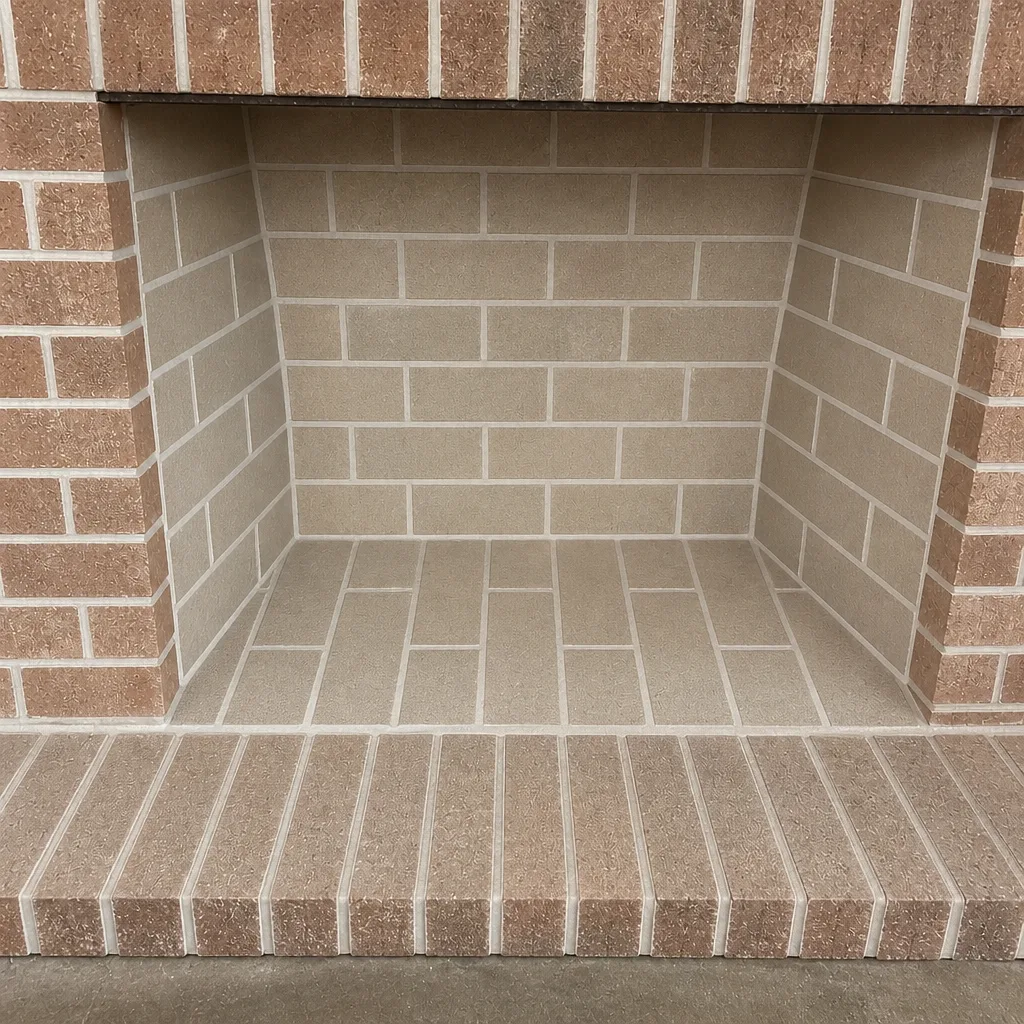 After
When to Call a Professional
Call a professional if smoke enters the room when you light a fire, if the fireplace smells strongly when it’s not in use, if you see white staining or flaking brick on the exterior chase, if the cap is missing or damaged, or if it’s been several years since the chimney was inspected. Call sooner if the chimney has had a fire of any size or if there’s new rust inside the firebox. These are not problems to troubleshoot with the fire lit, because a blocked or cracked flue can move carbon monoxide straight into the living space. Some jobs can wait. A suspected obstruction is not one of them.
Brandon Chimney Sweep offers free estimates in Brandon. Call (866) 501-5479. We answer 24/7. Fast dispatch from 7am to 7pm, Sunday through Friday. Tell us what the fire is doing and we’ll tell you what the diagnostic appointment will involve before we book it.
Frequently Asked Questions
A standard sweep with a Level 1 inspection is typically quoted per job, and a Level 2 inspection with a camera and photo report is a separate service with its own estimate. The written estimate sets the final price, and we won’t recommend work without the photo evidence to show you why it’s needed. Call (866) 501-5479 for an exact quote. Estimates are free.
You need a new liner when the camera shows cracked tiles, open joints, or deterioration that lets combustion gases escape into the structure of the house. A HeatShield resurfacing can restore some flues that would otherwise need replacement, so a liner isn’t automatic even when tiles are damaged. The camera report is what decides between resurfacing and full relining. Call (866) 501-5479 and we’ll show you the evidence before you decide.
Most wood-burning chimneys should be swept and inspected annually, even in a mild climate like ours. A chimney that sits idle for ten months can still develop moisture damage, animal intrusion, or a cap failure, and annual inspection is how those get caught before they spread. Call (866) 501-5479 to book the next inspection.
Skipping annual inspection lets small problems grow into structural ones. Moisture enters through a failed cap, flue tiles crack, the crown fails, and eventually the repair becomes a rebuild instead of a cap replacement. The safety risk is separate and more serious: a blocked or cracked flue can push carbon monoxide into the living space. Call (866) 501-5479 to get it checked.
Summer heat pulls moisture and residue odors out of the flue and into the house, which is why an odor problem is usually a moisture problem. A failed cap or a missing top-sealing damper is the usual cause. Replacing the cap with a properly fitted Famco or Copperfield unit and closing off the flue when idle fixes most of these. Call (866) 501-5479 to look at it.
Many repairs, including cap replacement and flashing work, can be handled during the same visit as the sweep, provided the right parts are on hand for the job. Liner replacement is typically a separate appointment because the materials are sized for your specific flue. Either way, one company handles the diagnosis and the repair, so you’re not hiring a second contractor. Call (866) 501-5479 for scheduling. We answer 24/7. Fast dispatch from 7am to 7pm, Sunday through Friday.
The Bottom Line
Most chimney problems in Brandon trace back to moisture and a long idle season, not to creosote alone. White staining on the chase is a water problem with a structural deadline. A smoky firebox is a draft diagnosis, not a cleaning. A recurring odor is usually a failed cap letting water in. Get the camera inspection, get the photo report, and match the repair to the actual cause rather than to the loudest symptom. One specialist covering inspection, cleaning, and repair with professional-grade materials is what keeps a chimney out of the repeat-repair cycle. Brandon Chimney Sweep handles all three under one call. If you’d rather talk it through first, call (866) 501-5479 for a free estimate. We answer 24/7. Fast dispatch from 7am to 7pm, Sunday through Friday.
Written by the team at Brandon Chimney Sweep.