
Last updated November 15, 2026
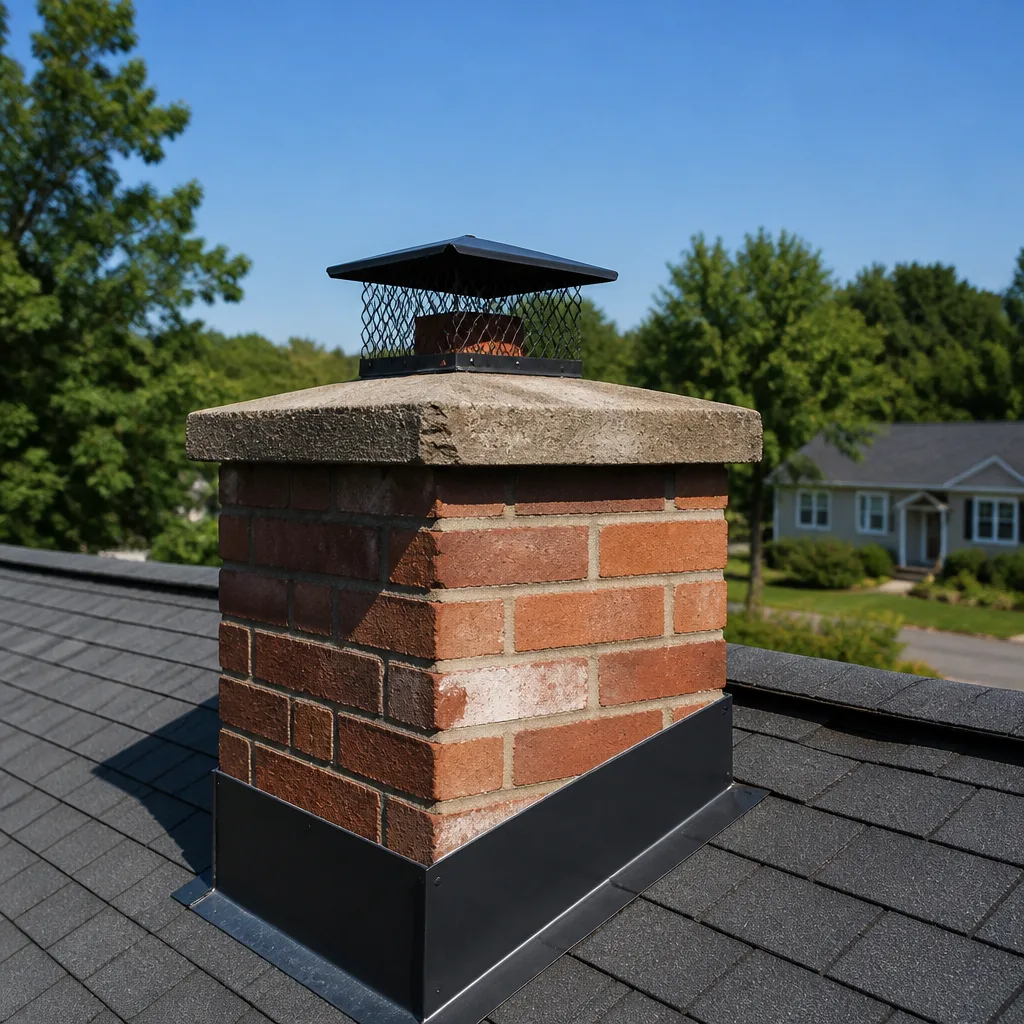 Sweep & inspection
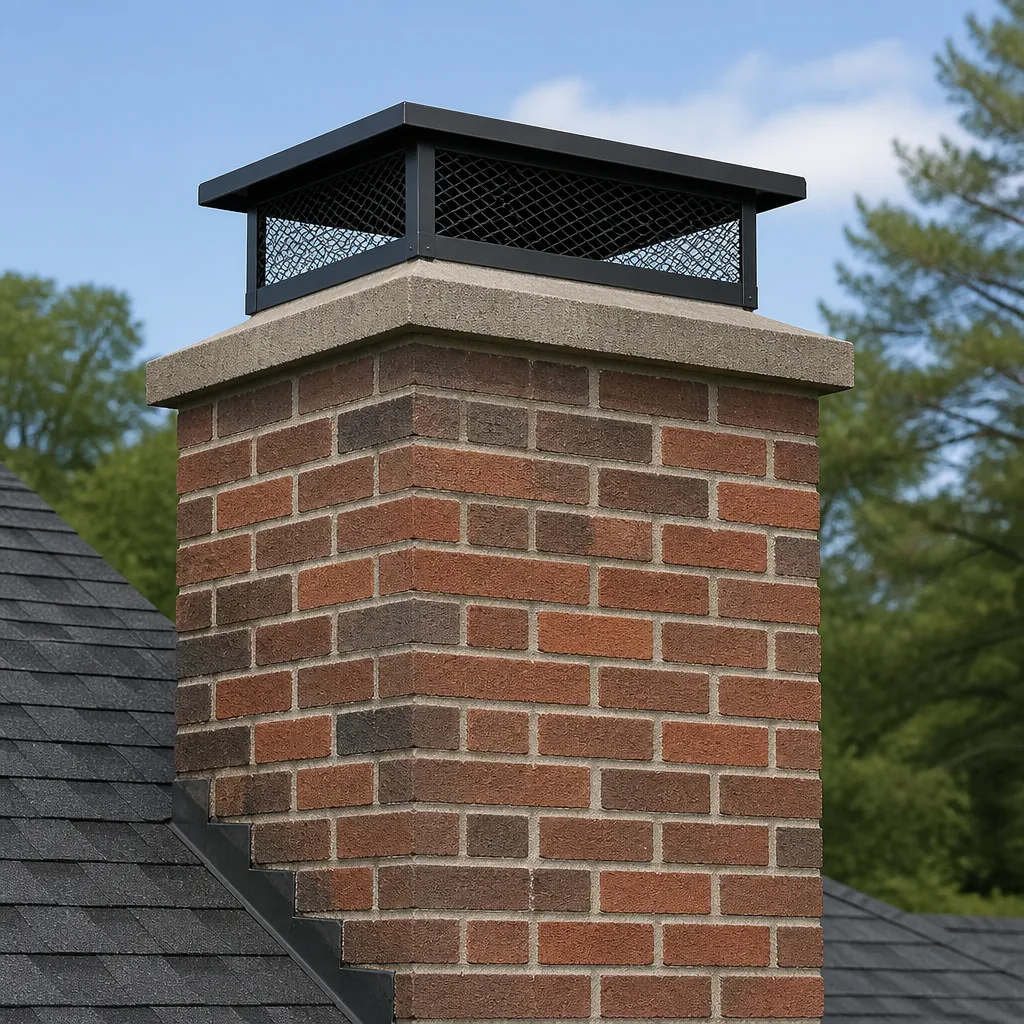 Caps & crowns
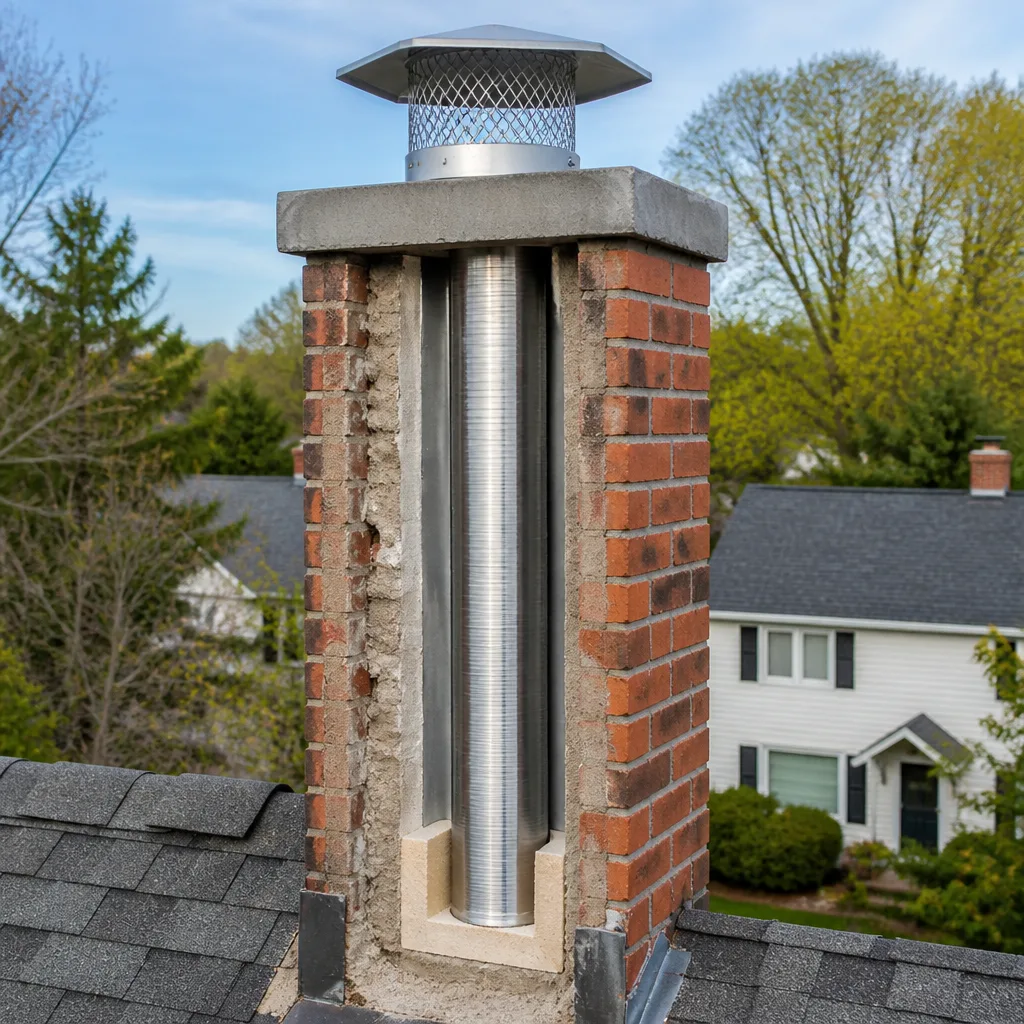 Flue relining
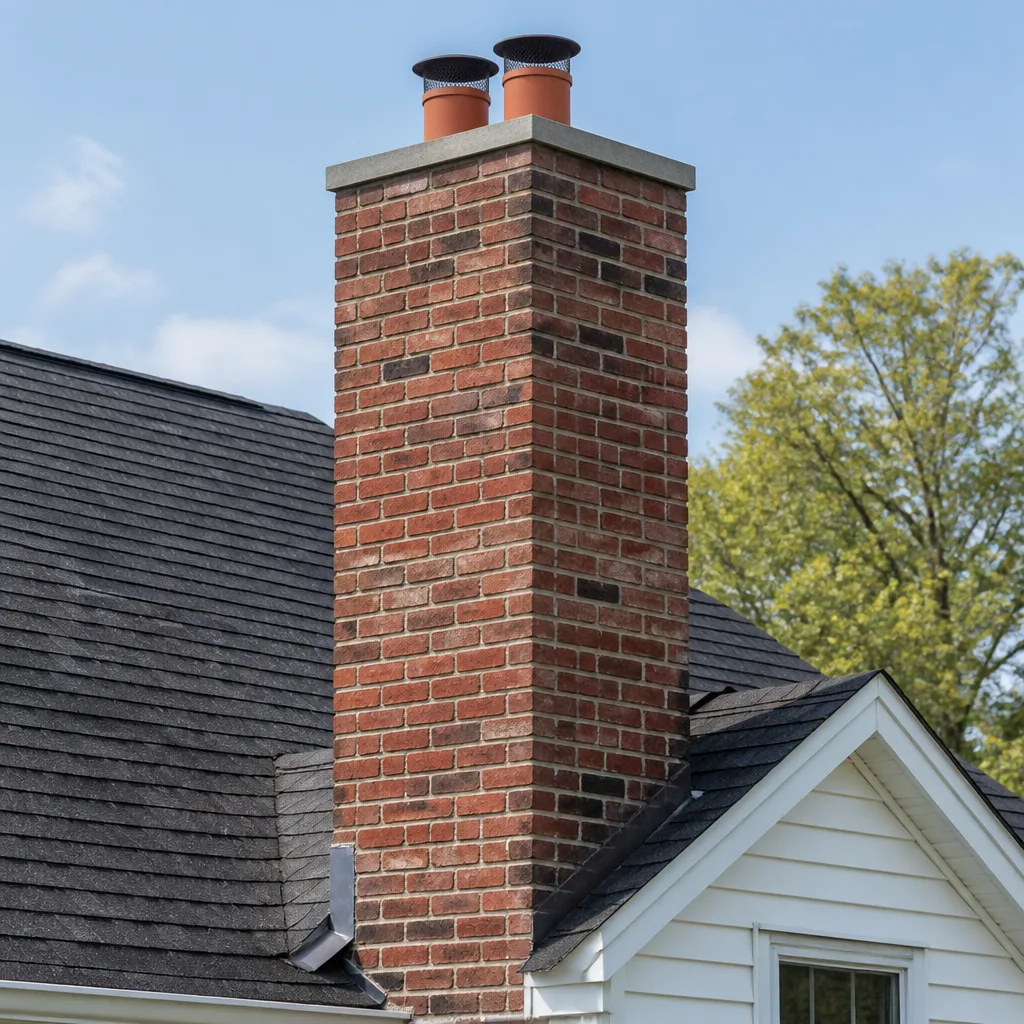 Masonry repair
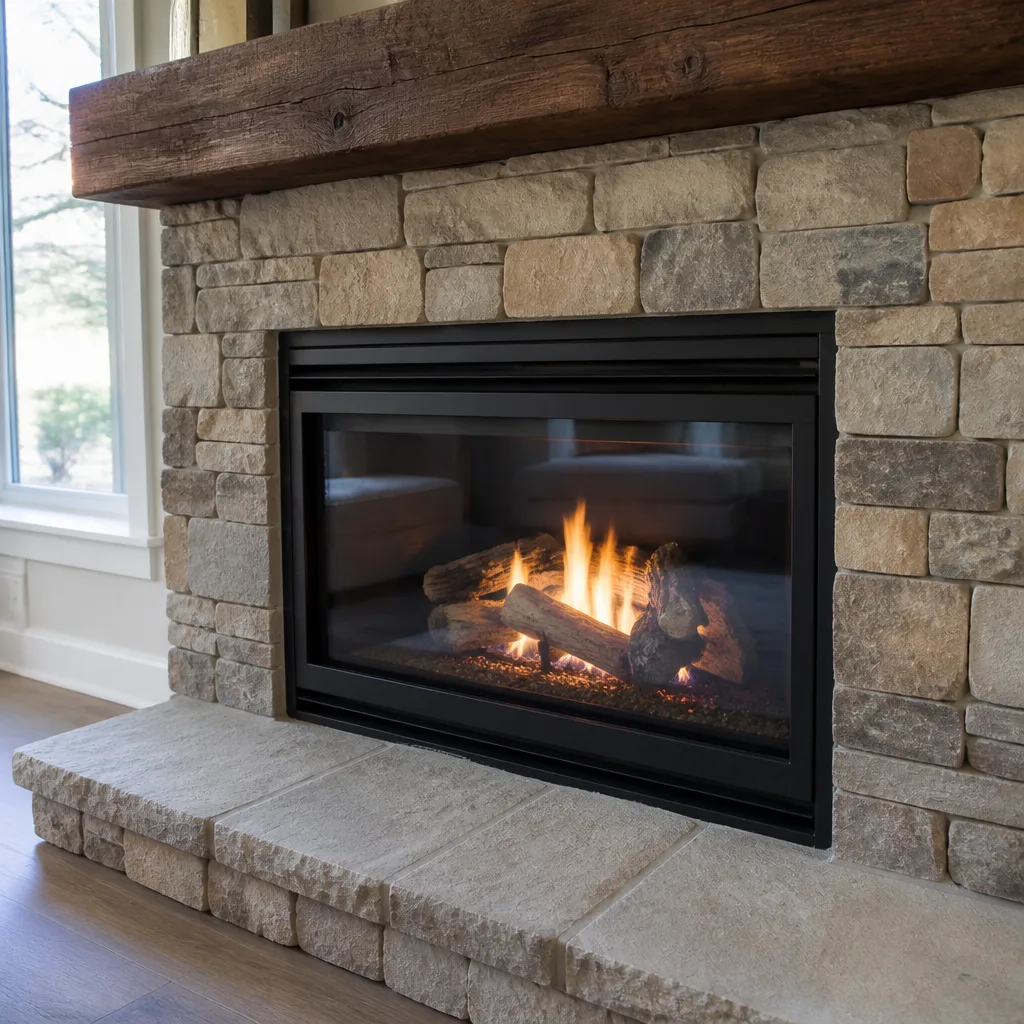 Gas fireplace service
Level 1 sweep and inspection to the NFPA 211 annual standard - flue, crown, cap, and flashing checked and photographed
Chimney sweep logs do not sweep chimneys. They loosen some creosote - which then falls where a brush and vacuum still have to collect it.
The Complete Guide to Chimney Cleaning in Brandon
Most Brandon homeowners light their fireplace a handful of times a year, usually when a cold front pushes through in December or January and the house feels damp and chilled. That low use feels like low risk. It isn’t. Short, intermittent burn seasons in a humid subtropical climate tend to produce a stubborn, glazed creosote profile that’s harder to remove than the powdery soot a heavily used northern fireplace generates, and it’s easier to miss when a sweep is rushed. This guide covers what a technically complete chimney cleaning actually involves in Brandon, why Florida’s climate changes the failure points, and how to tell the difference between a real inspection and a quick brush-and-go. You’ll finish knowing what to check, what to ask, and when work can safely wait.
Quick Answer
Chimney cleaning in Brandon, FL means far more than running a brush up the flue. A complete service includes removing creosote and soot from the firebox, smoke chamber, and flue, then inspecting the liner, joints, cap, chase cover, and visible exterior for the specific wear that humid subtropical weather and Brandon’s clay soil produce. The cleaning and the inspection happen together, and any repair recommendation should come with camera evidence you can see for yourself.
Styles & brands we work with
- Sweep & inspection
- Caps & crowns
- Flue relining
- Masonry repair
- Gas fireplace service
Table of Contents
- Why Low-Use Fireplaces in Florida Build Stubborn Creosote
- Level 1, Level 2, and Level 3 Inspections Explained
- What “Cleaning” Actually Includes (and What a Sweep-and-Go Skips)
- How Brandon’s Clay Soil and Slab Foundations Affect Your Chimney
- Caps and Chase Covers: Part of the System, Not an Add-On
- How a Complete Sweep Runs, Step by Step
- How Often Should You Schedule a Cleaning?
- What Chimney Cleaning Costs in Brandon
Why Low-Use Fireplaces in Florida Build Stubborn Creosote
The creosote story in Brandon runs opposite to what most national guides describe. In cold climates, a fireplace burns hot and often, and a lot of the residue stays powdery and easy to brush away. Here, the burn pattern is start-and-stop: a fire on a chilly evening, then nothing for two weeks, then another. Those short, cool, smoldering fires are exactly the conditions that deposit glazed creosote, and the humidity between burns lets it cure into a hard shell that clings to the flue wall.
Three local conditions drive the pattern:
- Cool, smoldering fires produce more unburned vapor than hot fires do, and that vapor condenses on cooler flue surfaces as a denser creosote.
- Long idle stretches mean the deposits sit and harden instead of getting periodically burned or brushed loose by regular use.
- High ambient humidity keeps the masonry and metal from drying out fully, which affects both creosote adhesion and the corrosion risk on metal components.
The result is a chimney that looks lightly used but holds a hard, layered deposit that a quick pass with a standard brush won’t fully remove. Our technicians have up to 10 years of experience and know the difference between powdery Stage 1 creosote and the glazed Stage 2 that needs mechanical removal. If a sweep tells you a lightly used Brandon fireplace is “clean enough” without looking up the flue with a camera, that’s your cue to get a second opinion.
Firewood choice matters here too. Seasoned, dry hardwood burns hotter and cleaner than green wood, and it dramatically cuts the volume of creosote vapor. If you’re storing wood in a humid climate, keep it covered and off the ground so it stays dry enough to burn hot.
Level 1, Level 2, and Level 3 Inspections Explained
Chimney inspections aren’t one service. NFPA 211, the standard that governs chimney and vent systems, defines three levels of inspection, and each applies to a different situation. Knowing which one you need prevents both overpaying for a basic check and missing a problem that a visual-only inspection can’t catch.
- Level 1: A visual inspection of readily accessible portions of the chimney and connected appliance, with the firebox and flue checked from the ground or the top. This is appropriate when the chimney has been in routine use with no changes and there’s no known problem.
- Level 2: Everything in a Level 1 plus a camera inspection of the flue interior and inspection of accessible areas of the attic, crawlspace, and chimney exterior. This is the right level after a storm, after a change in fuel type or appliance, or when a home changes hands.
- Level 3: A Level 2 plus investigation of concealed areas, which may involve removing parts of the chimney or surrounding structure. This applies when a serious hazard is suspected and the problem can’t be diagnosed any other way.
After a Florida storm season, a Level 2 inspection is the sensible default. Wind-driven rain, debris, and minor movement can crack a crown, loosen a cap, or dislodge a joint that no one will see from the hearth. If you’ve bought a home in Brandon, had a chimney swept by someone who didn’t leave a report, or changed from a wood-burning appliance to a gas insert, book a Level 2 and ask for the camera footage. You should get photos and a written report you can keep.
What “Cleaning” Actually Includes (and What a Sweep-and-Go Skips)
A proper cleaning treats the whole system, not just the flue. The firebox, smoke chamber, damper, liner, cap, and chase cover all contribute to how the chimney performs, and each has wear points that matter more in a humid climate than most homeowners expect.
Here’s what a technically complete cleaning covers:
- Firebox and firebrick joints: Cracked mortar joints let smoke and heat migrate into the masonry. We check the joints and note any that need repointing.
- Smoke chamber: The sloped transition above the damper is where creosote and soot collect fastest and where many quick sweeps never look. A proper cleaning removes deposits there.
- Damper and throat: The damper needs to open, close, and seal correctly. A stuck or warped damper changes how the whole chimney draws.
- Liner: A camera inspection checks for cracks, gaps, and corrosion. A compromised liner is a safety issue, not a cosmetic one, because it’s the barrier between hot gases and the structure.
- Cap and chase cover: Rain and pests enter from the top. A cracked cap or missing screen means water intrusion and nesting.
That full arc, sweep, inspection, and repair, is what separates a specialist from a generalist. When we find liner or chamber damage, we don’t hand you off to a second contractor. We specify the right professional-grade product for your flue, whether that’s a chimney repair using HeatShield for resurfacing or a DuraFlex liner for a full reline, and we handle it ourselves. Purpose-built components matter at every stage, not improvised fixes from a hardware store.
How Brandon’s Clay Soil and Slab Foundations Affect Your Chimney
Brandon sits on heavy clay soil over slab foundations, and that combination has a real effect on masonry chimneys over time. Clay holds moisture and expands and contracts as it wets and dries through the year, and that seasonal movement can show up as small cracks in the chimney’s exterior, at the crown, or where the chimney meets the roofline.
What to watch for:
- Hairline cracks in the exterior masonry that widen through the wet season and narrow in dry months.
- Cracks where the chimney meets the roof, which open the door to water running into the structure.
- A tilted or separating cap or chase cover, often the first visible sign that something below has shifted.
- Flashing that’s pulling away from the chimney’s base at the roofline.
None of these mean your chimney is failing. Small seasonal movement is normal. But because it’s a slow process, the damage tends to creep, and a chimney inspection in Brandon should include a look at the chase and flashing from the roof. This is where purpose-built parts earn their keep. Gelco and Famco flashing and cap components are made for chimney applications specifically, so a fix holds up rather than failing the next time the clay moves. Generalist repairs that improvise with roofing sealant tend to be back on the punch list within a season.
If you notice water staining on the ceiling near the chimney, or rust on the damper, don’t wait for it to worsen. That’s a sign water is already getting in through a crack, cap, or flashing joint, and it pays to address it before the interior masonry is affected.
Caps and Chase Covers: Part of the System, Not an Add-On
In a dry, cold climate a chimney cap mostly keeps out birds and rain. In Brandon’s humid subtropical climate it’s a core part of the system, because water intrusion is the leading cause of chimney deterioration here. The cap and chase cover are your first line of defense against the humidity that drives the whole problem.
A properly fitted cap does three jobs: it keeps rain out of the flue, it blocks animals from nesting inside, and it screens sparks. The chase cover, the metal top on a framed chimney, shelters the structure from water and protects the top of the masonry or framing. When the cap or cover is cracked, missing, or too small, water enters and starts working on the liner, the firebox joints, and the framing.
This is why we treat the cap and chase cover as part of the cleaning, not a separate upsell. If the existing cover is failing, or the install was improvised with the wrong component, we specify a purpose-built replacement using Gelco or Famco components sized for your chimney. A cap that’s simply pushed on may look fine from the ground but won’t shed water where it counts.
Two quick checks you can do yourself: look at the cap from the ground and confirm it fully covers the flue with a screen intact, and check inside the firebox after heavy rain for dampness or rust streaks. If either looks off, a professional inspection should be next. Never climb onto the roof or lean over the edge to inspect the cap yourself; height work without training is one of the most common sources of serious injury, and the view from below plus a professional’s roof-level check is the safe path.
How a Complete Sweep Runs, Step by Step
Here’s what a full sweep and inspection looks like from the homeowner’s side, so you know what to expect and what a complete visit should include. Our technicians have up to 10 years of experience and treat the chimney as the safety-critical structure it is.
- Intake and walkthrough: We look at the firebox, damper, and any visible exterior, and ask how you burn (wood type, frequency, any appliance changes). This sets the right inspection level.
- Protection: Floor protection and containment go down before any tools come out, so soot and creosote stay contained.
- Sweep: The flue, smoke chamber, and firebox are cleaned with the right brushes and tools for the deposit you actually have, not a one-size pass.
- Camera inspection: A camera checks the liner and flue interior for cracks, gaps, and corrosion. This is where hidden problems turn up, especially after a storm.
- Exterior and top check: The cap, chase cover, crown, and flashing are examined from the roof for the wear that Brandon’s climate produces.
- Report and recommendation: You get photos and a written report. If work is needed, you see the evidence first, and if it can safely wait, we say so.
That last step is the one most homeowners care about. Being told you need thousands of dollars of liner or masonry work you can’t verify is a real hesitation, and it’s fair. Nothing gets recommended on our visit that isn’t backed by camera evidence you can see with your own eyes. If a repair can be deferred a season without risk, we tell you that too.
How Often Should You Schedule a Cleaning?
Most national guidance says annually, and for a heavy wood-burning household that’s right. In Brandon it’s more useful to think in terms of use and deposit type than a calendar. If you burn more than a cord of wood a year, or use the fireplace regularly through the cooler months, an annual sweep is the safe baseline. If you burn a few times a season, a cleaning every one to two years is often enough, but an inspection annually is still worth it because a lightly used chimney can hide a hard creosote layer.
Schedule a cleaning sooner if any of these apply:
- There’s a noticeable buildup visible on the flue wall or damper.
- Smoke rolls back into the room when you light a fire.
- You smell a strong, sour creosote odor, especially on humid days.
- You’ve had a chimney fire, even a small one you think you put out.
- The home has changed hands, or you’ve changed fuel type or appliance.
- A storm has passed through and the cap or chimney exterior may have moved or cracked.
Don’t use “we hardly ever burn” as a reason to skip inspection. In a humid climate, the risk isn’t always the volume of creosote; it’s the condition of the liner, cap, and joints after months of damp, unused air.
What Chimney Cleaning Costs in Brandon
The price of a chimney cleaning in Brandon depends on which services your chimney needs: a straightforward sweep, a Level 2 inspection with camera, or a sweep combined with a repair such as a cap replacement. Because every chimney is different, the estimate is set per job after we’ve seen it, and the written estimate is the final price. What stays consistent is the structure: a sweep is scoped and agreed before work starts, and the camera inspection and report come with it.
What’s included in a typical visit, and what changes the estimate:
- Base sweep: Cleaning the flue, smoke chamber, and firebox, plus a basic visual check.
- Inspection level: A Level 2 camera inspection adds diagnostic time and a written report with photos.
- Access and condition: Hard glazed creosote, a difficult-to-reach flue, or a damaged cap can extend the job.
- Repairs: If a liner, cap, or flashing needs work, that’s scoped and priced separately, with the evidence in front of you.
We don’t quote a single number before seeing the chimney because a firm price means nothing if it doesn’t match the job. Call (866) 501-5479 for a free estimate, and ask for the camera evidence behind any repair recommendation. That’s the answer to the usual hesitation, and you should expect it from any sweep you hire.
Common Mistakes to Avoid
- Assuming low use means low risk. In Brandon’s climate, short and intermittent burns produce a harder creosote than heavy use up north, so “we hardly burn” is not a reason to skip inspection.
- Hiring a sweep who doesn’t look up the flue with a camera. A visual-only check from the hearth can’t see liner cracks or glaze, which is exactly what fails first in this climate.
- Treating the cap and chase cover as optional. In a humid subtropical climate, water intrusion through a failed cap or cover is the leading driver of chimney deterioration, so these are part of the system, not accessories.
- Ignoring small cracks at the roofline and flashing. Clay soil movement produces hairline cracks that creep; catching them early is far cheaper than chasing water damage later.
- Letting a generalist handle a chimney-specific problem. Roofing sealant and hardware-store parts often fail within a season, and a proper fix needs purpose-built components like Gelco and Famco flashing or a DuraFlex liner.
- Hiring a sweeper who finds a problem and then hands you off. Needing a separate repair contractor for a liner or firebox means the work, and the responsibility, split. One company should inspect, clean, and repair.
- Believing a repair is needed without evidence. Any recommendation should come with camera photos you can see. If you can’t see it, you shouldn’t have to pay for it.
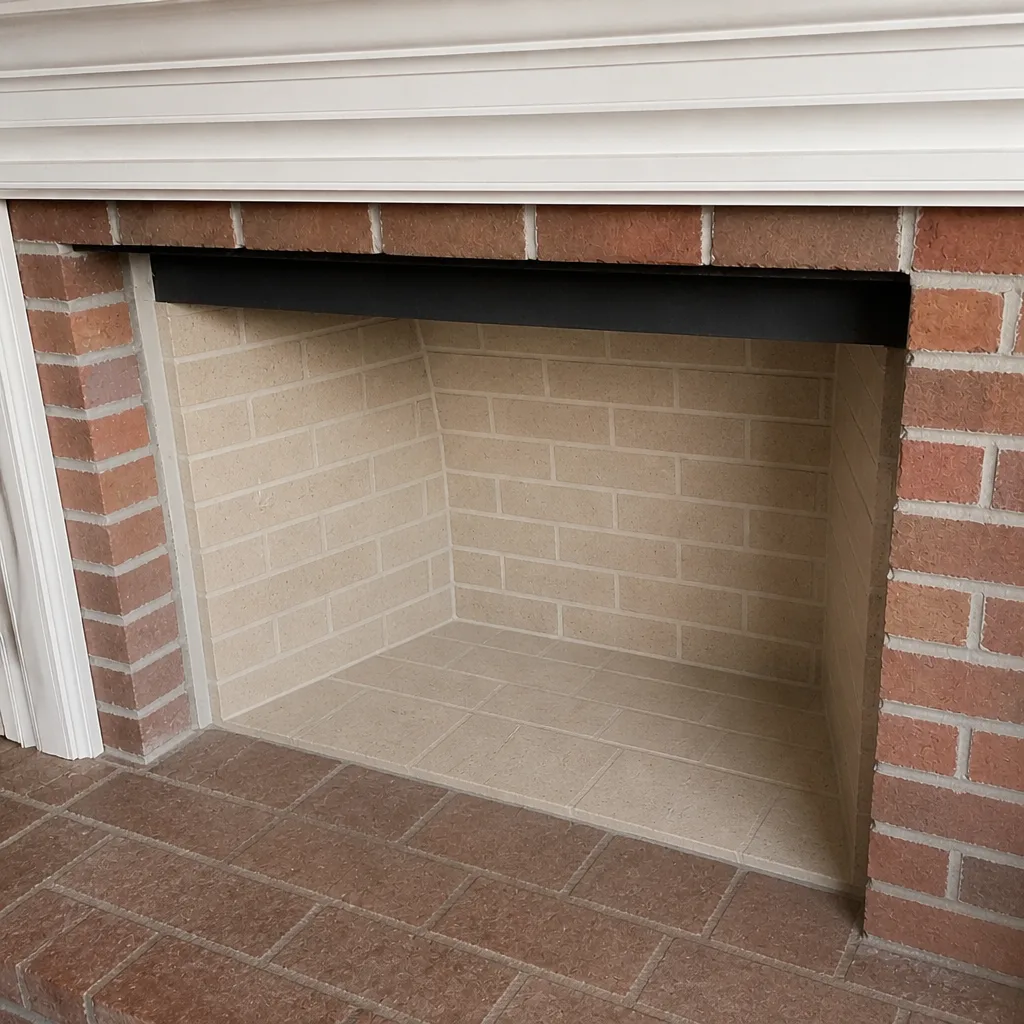
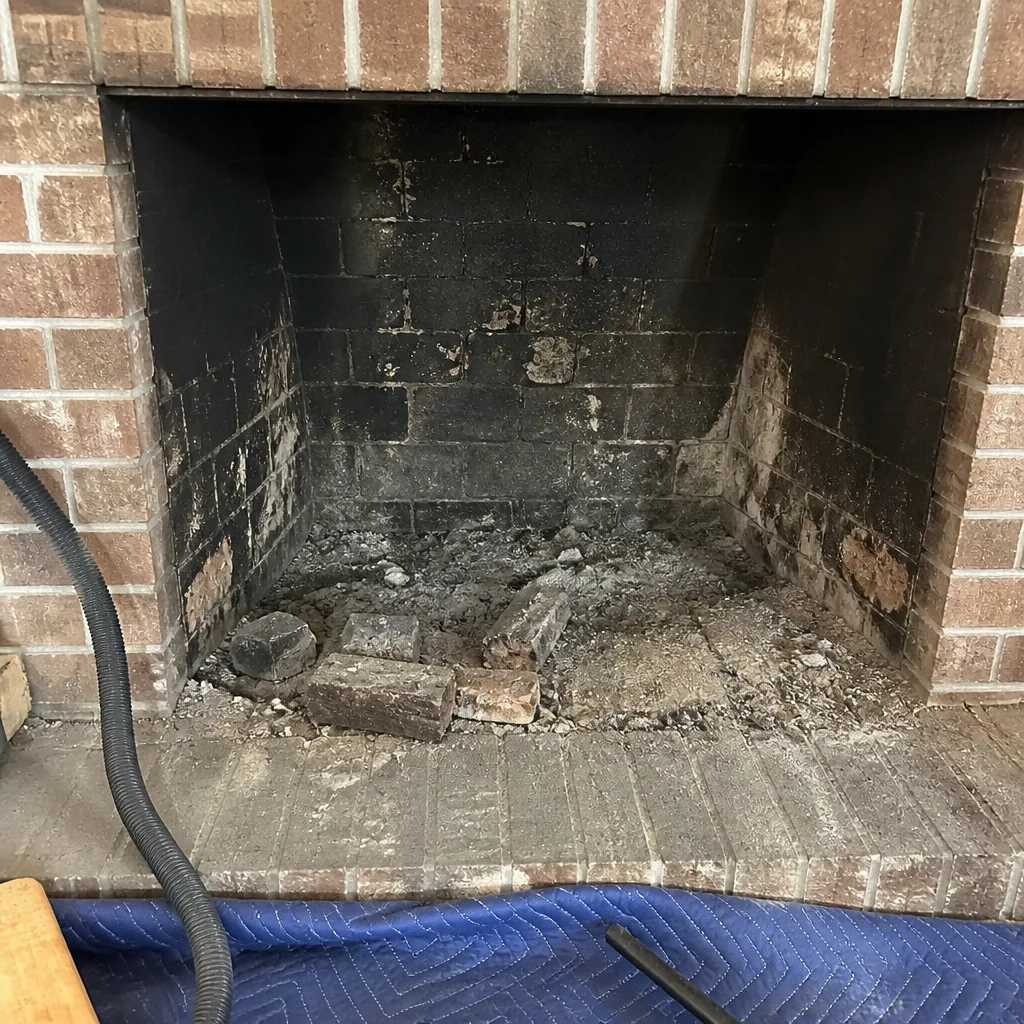
See the difference
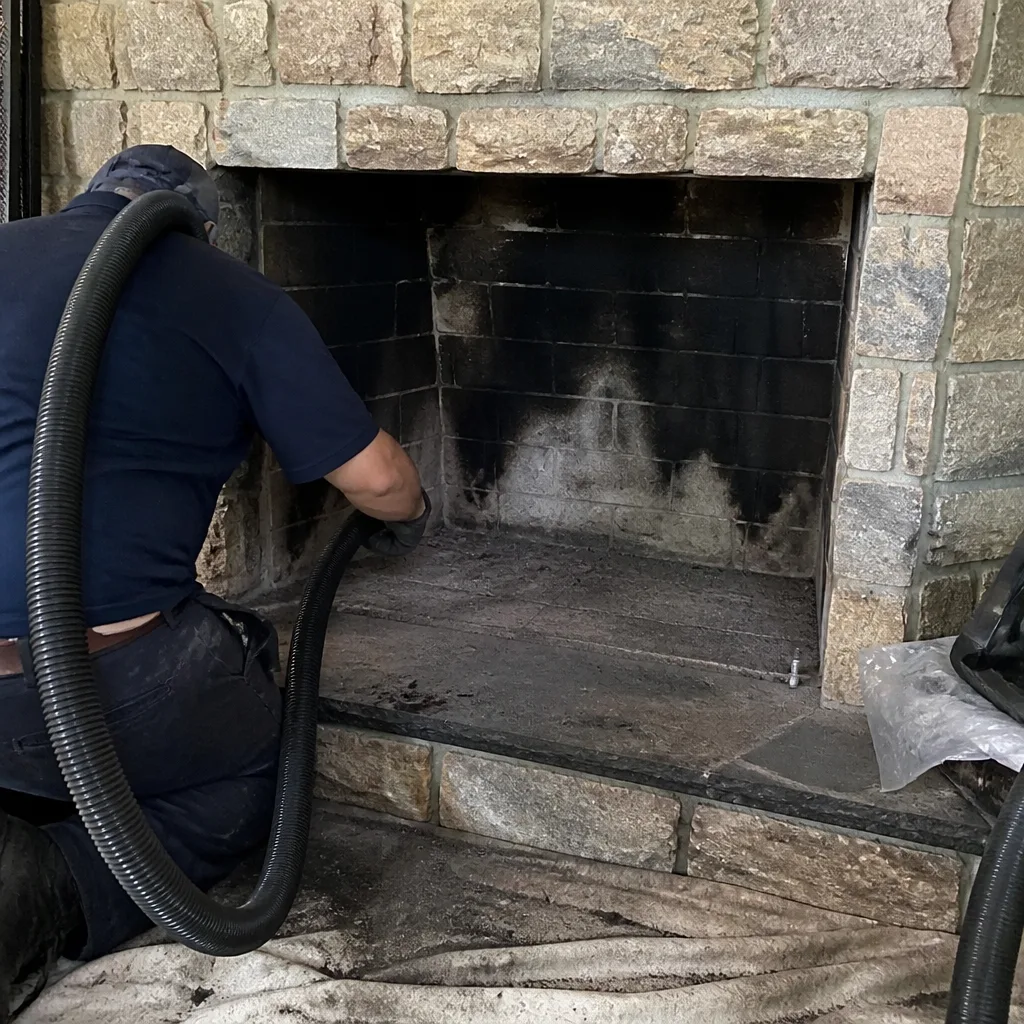 Before
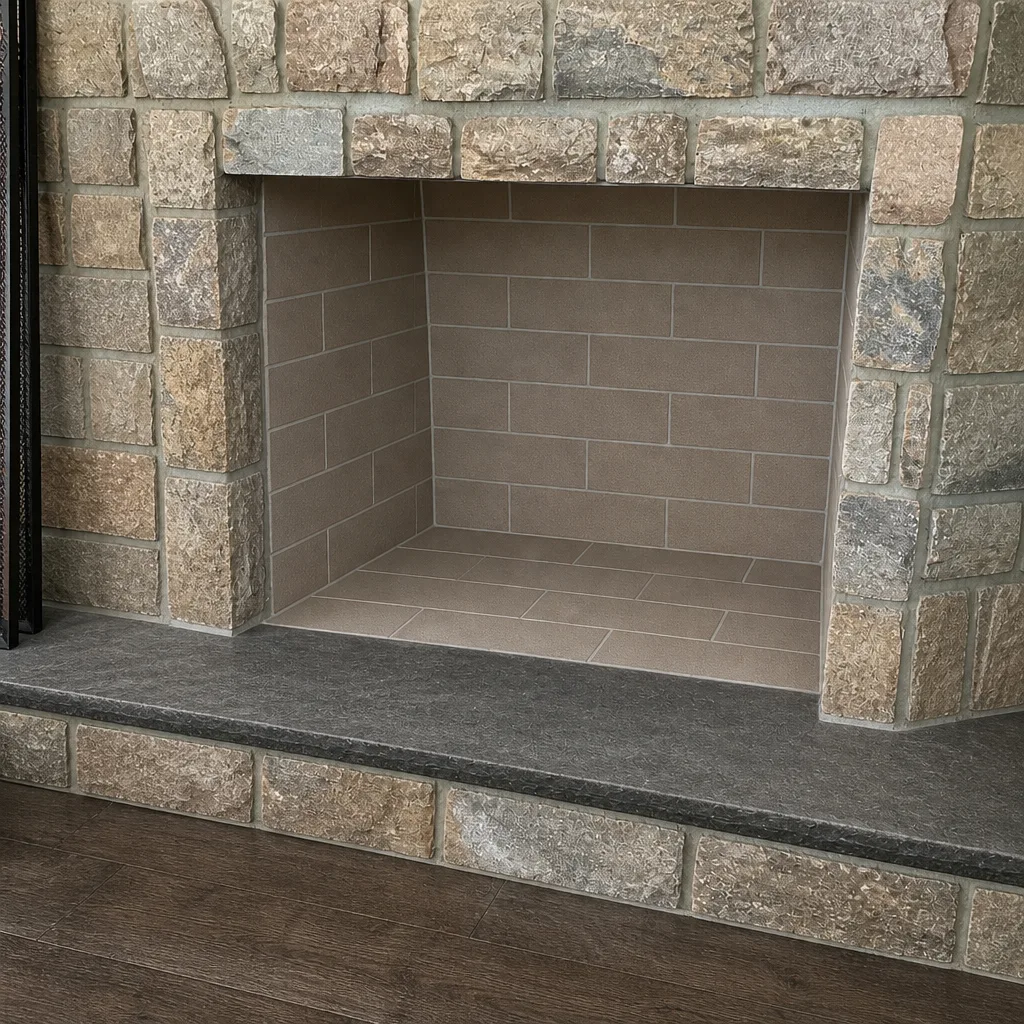 After
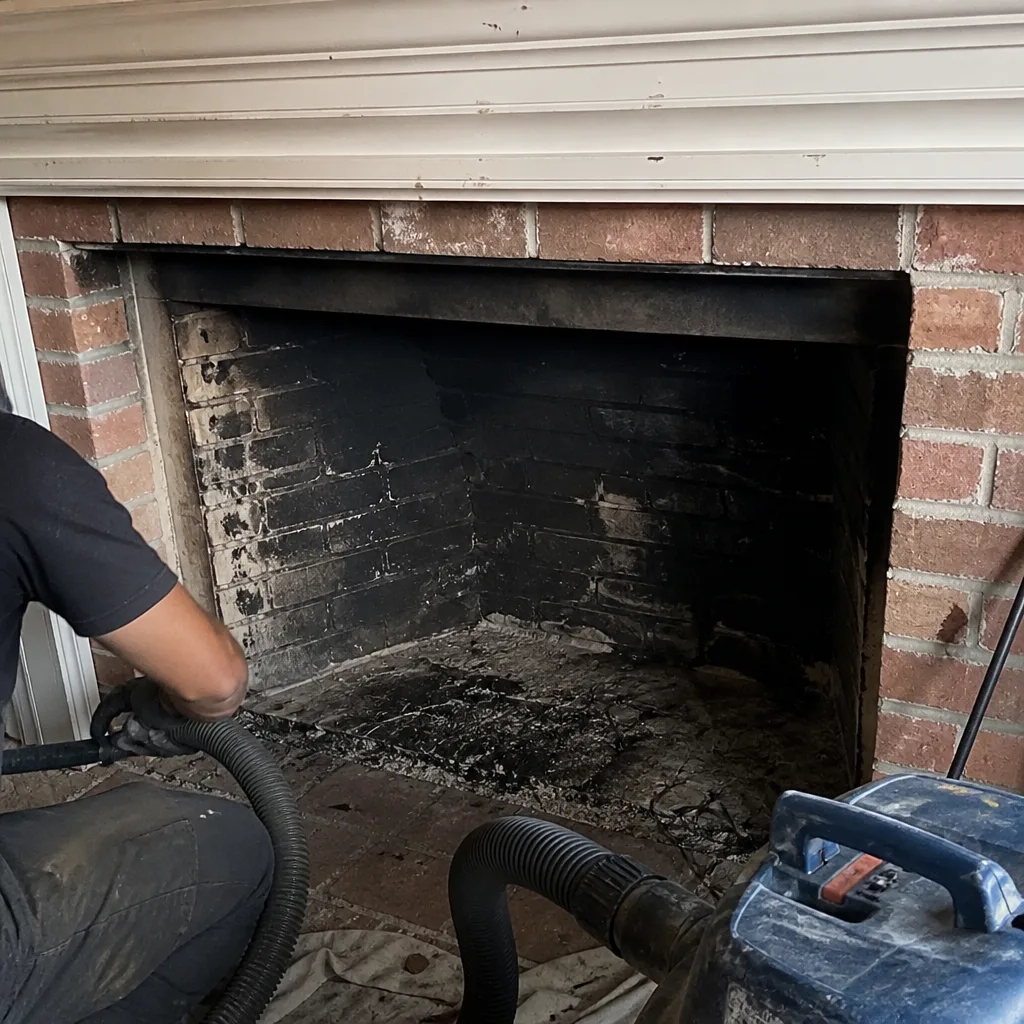 Before
 After
 Before
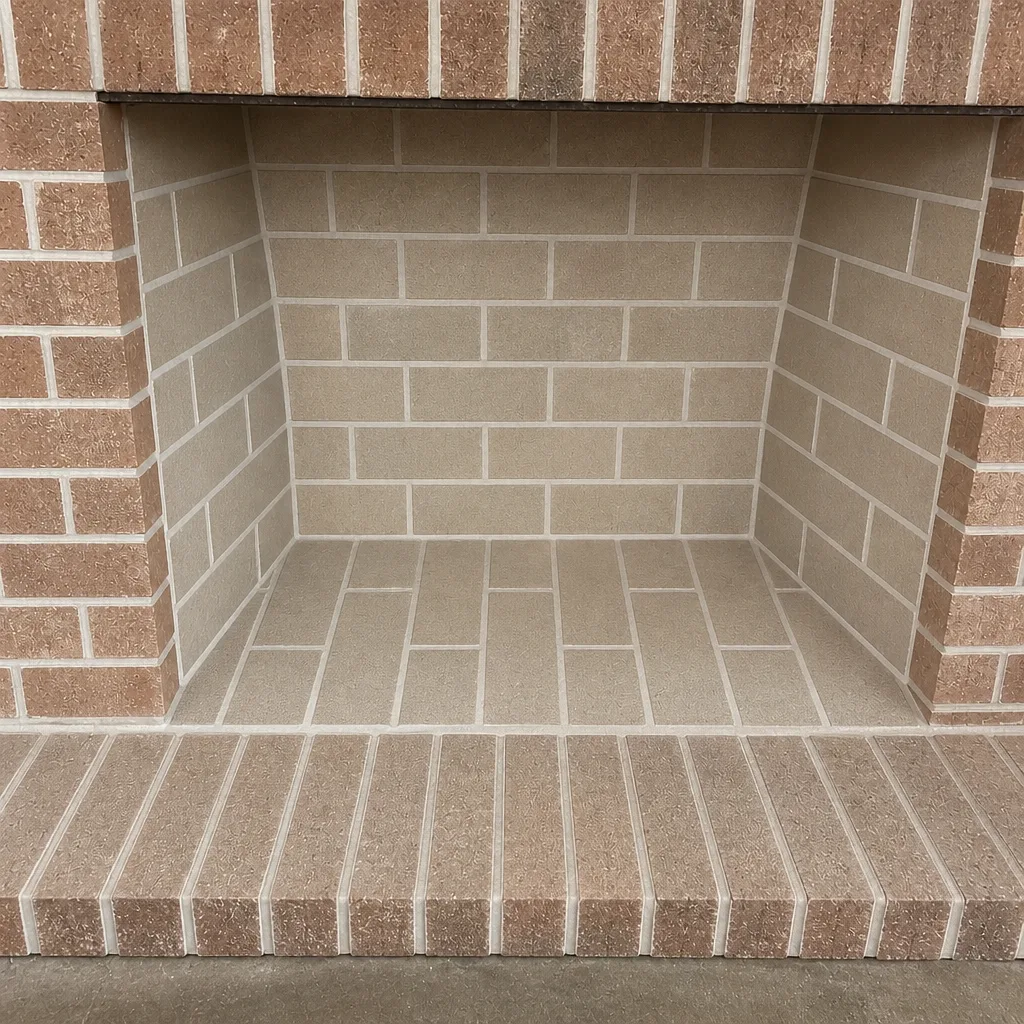 After
When to Call a Professional
Call a professional sweep when you see or smell signs of a problem, or when you simply can’t confirm the condition of the flue yourself. Specific triggers include a visible creosote buildup, smoke backing into the room, a sour creosote smell on humid days, water staining near the chimney, rust on the damper, or a cap that’s cracked or missing. Book a Level 2 inspection after a storm season or a home purchase even if the chimney seems fine. And if a previous sweep told you work was needed without showing you photos, a second opinion is worth it. Brandon Chimney Sweep offers free estimates in Brandon, call (866) 501-5479. Our technicians have up to 10 years of experience and treat chimney work as the safety-critical specialty it is.
Frequently Asked Questions
The cost depends on the scope: a basic sweep, a Level 2 inspection with camera, and any repair such as a cap or flashing replacement are priced separately. Because each chimney is different, the estimate is set per job after we’ve seen it, and the written estimate is the final price. Call (866) 501-5479 for a free estimate, estimates are free.
An annual cleaning is the safe baseline for anyone who burns more than a cord of wood a year, and an inspection annually is worth it even for light use because short, intermittent burns in a humid climate can produce hard creosote. If you burn a handful of times a season, a cleaning every one to two years is often enough. Call (866) 501-5479 to book an inspection and we’ll tell you honestly when the next one is due.
Only if the camera inspection shows the current liner is cracked, gapped, or corroded, and you should see that evidence for yourself before agreeing to anything. A lot of liners are fine and simply need cleaning. If a reline is needed, we use a DuraFlex liner system sized to your flue rather than an improvised fix. Call (866) 501-5479 if you’d like a camera inspection before committing to any work.
Creosote builds up over time, and a thick enough deposit can ignite, which is a chimney fire hazard, and a compromised liner or cap lets moisture and pests in, which damages the structure over months. In Brandon’s humid climate, skipped maintenance tends to show up as water damage and liner corrosion before it shows up as a visible fire risk. Call (866) 501-5479 to schedule an inspection and get a clear picture of where your chimney stands.
A Level 2 inspection is the sensible default after storm season, home purchase, or a change in appliance, because it includes a camera inspection of the flue and a look at the chimney exterior. A Level 1 visual check is enough only when the chimney has been in routine use with no changes and no known problem. Call (866) 501-5479 to book a Level 2 and get photos and a written report.
Yes, the cap and chase cover are part of a complete cleaning and inspection, not a separate add-on. In a humid climate they’re your main defense against water intrusion, so we check them and specify purpose-built Gelco or Famco components if a replacement is needed. Call (866) 501-5479 to have your cap and cover checked alongside the sweep.
The Bottom Line
Chimney cleaning in Brandon is not a simplified version of what cold-climate homes need, because the humidity, the short burn season, and the clay soil all create their own failure points. The four things that matter most: don’t assume low use means low risk, insist on a camera inspection, treat the cap and chase cover as core to the system, and ask for evidence behind any repair. A complete sweep covers the whole system, the firebox, smoke chamber, liner, and exterior, and a specialist handles inspection, cleaning, and repair under one roof. If you want the work done to chimney-industry standards, Brandon Chimney Sweep connects you with professionals who specify the right product for your flue, from HeatShield resurfacing to DuraFlex relining.
Contact Us
Ready to schedule a sweep or a Level 2 inspection in Brandon? Call (866) 501-5479 for a free estimate. We answer 24/7. Fast dispatch from 7am to 7pm, Sunday through Friday. Whether you need a routine chimney sweep or a full inspection with camera and report, we’ll show you exactly what we find before any work is recommended.
Written by the team at Brandon Chimney Sweep.