
Last updated November 15, 2026
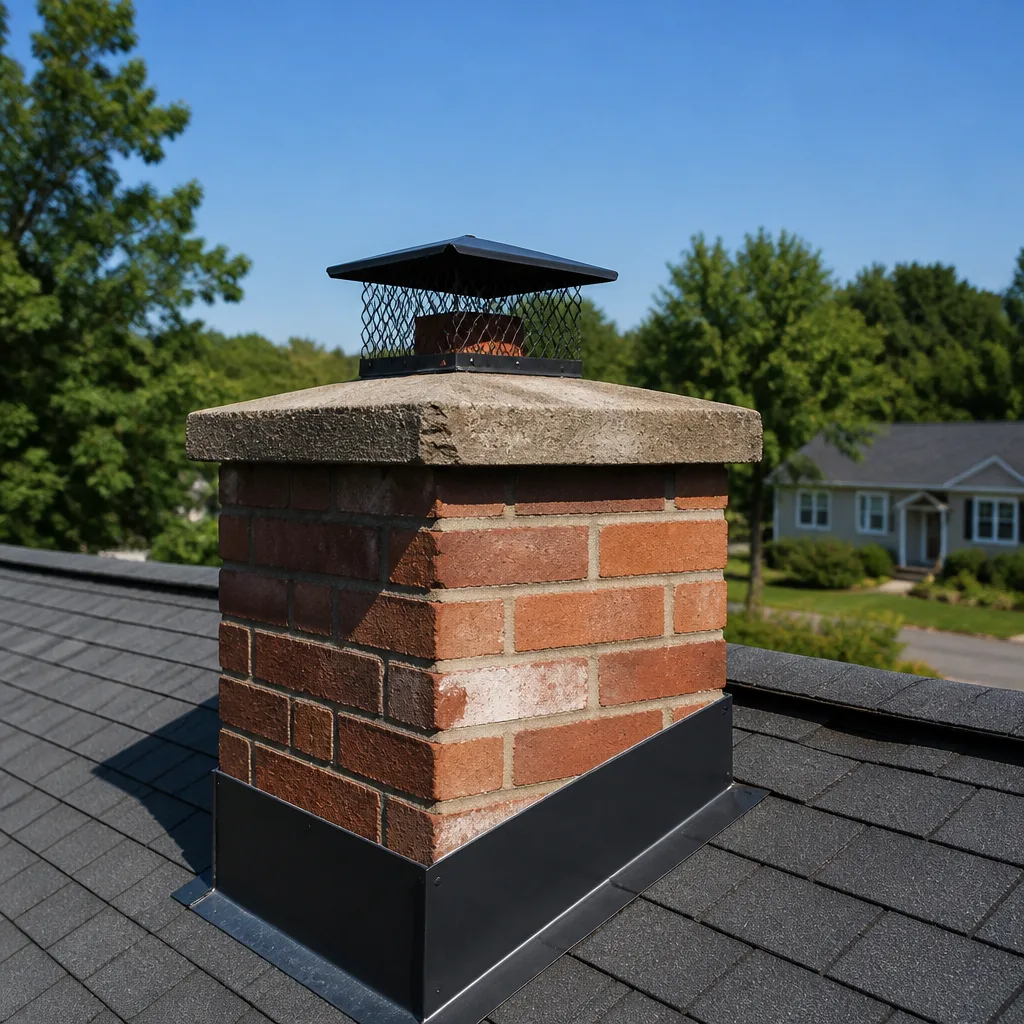 Sweep & inspection
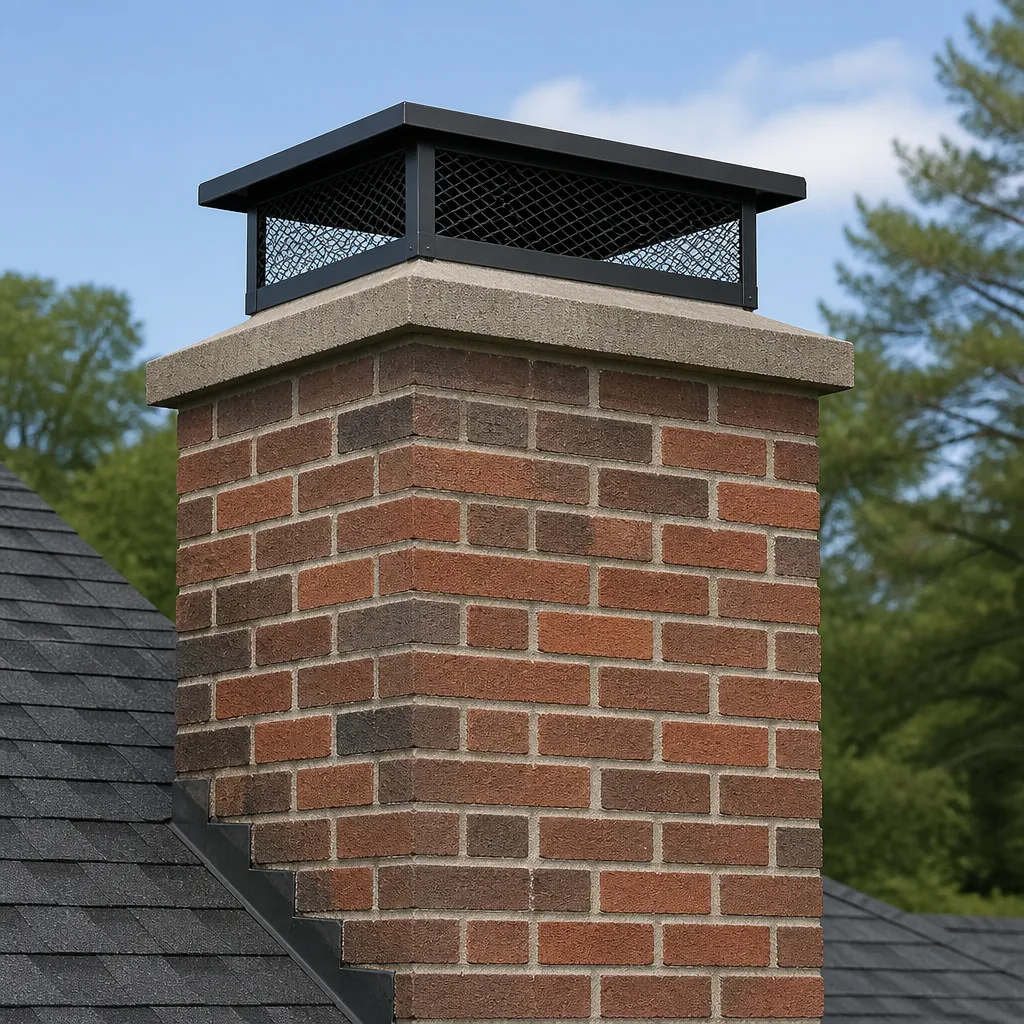 Caps & crowns
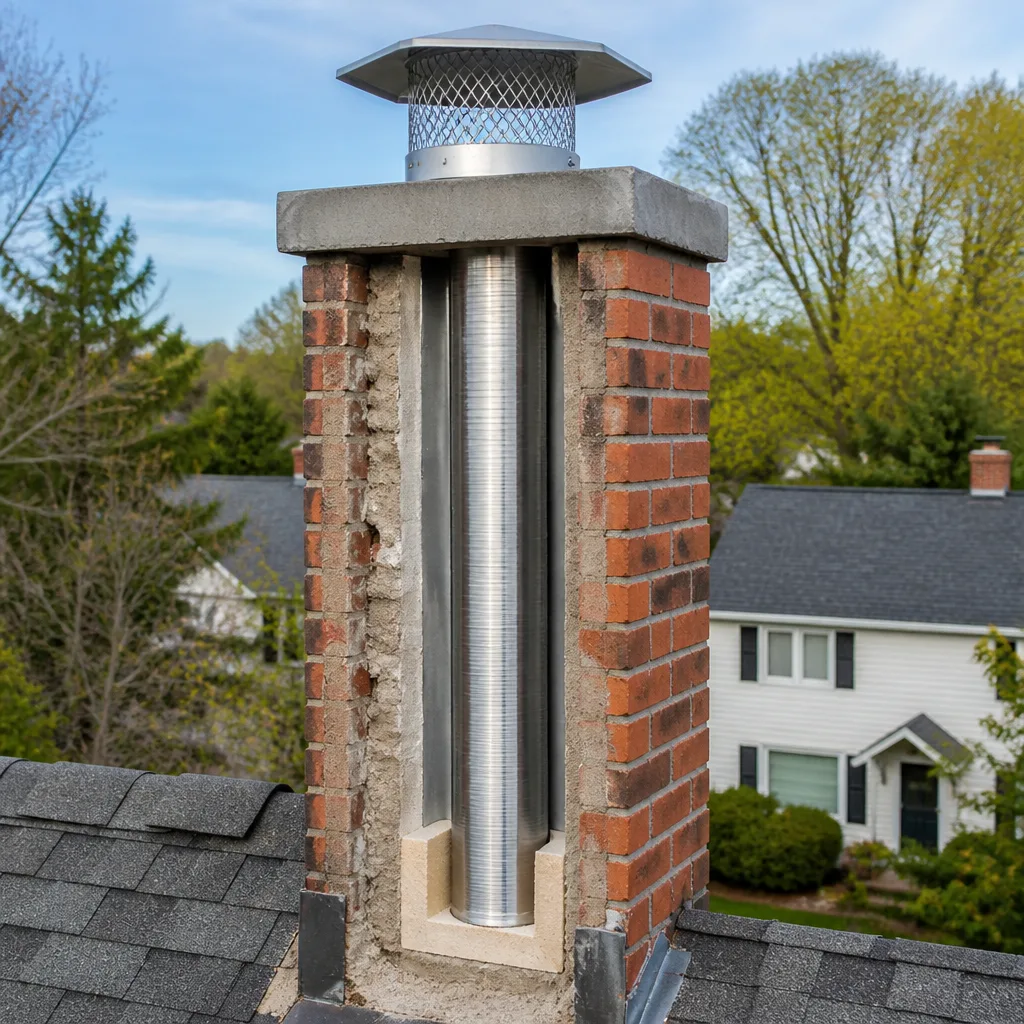 Flue relining
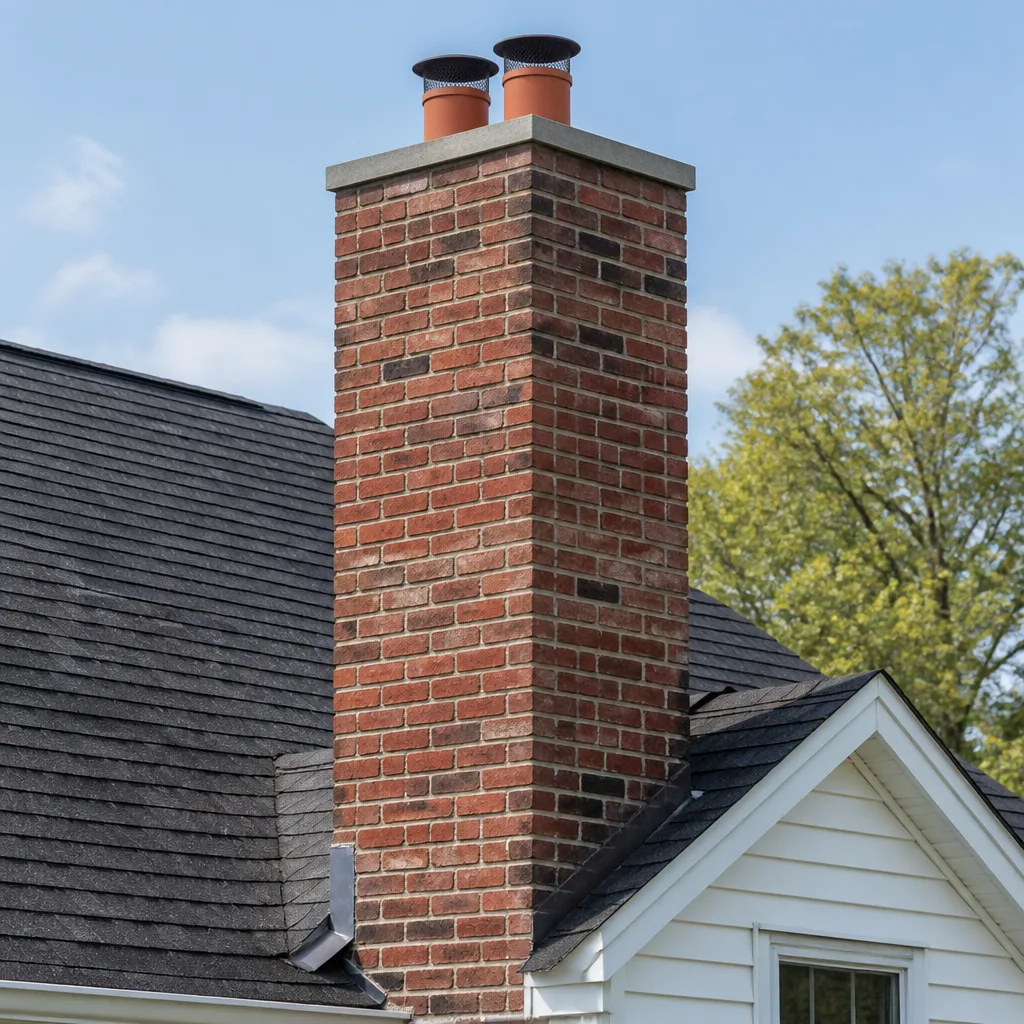 Masonry repair
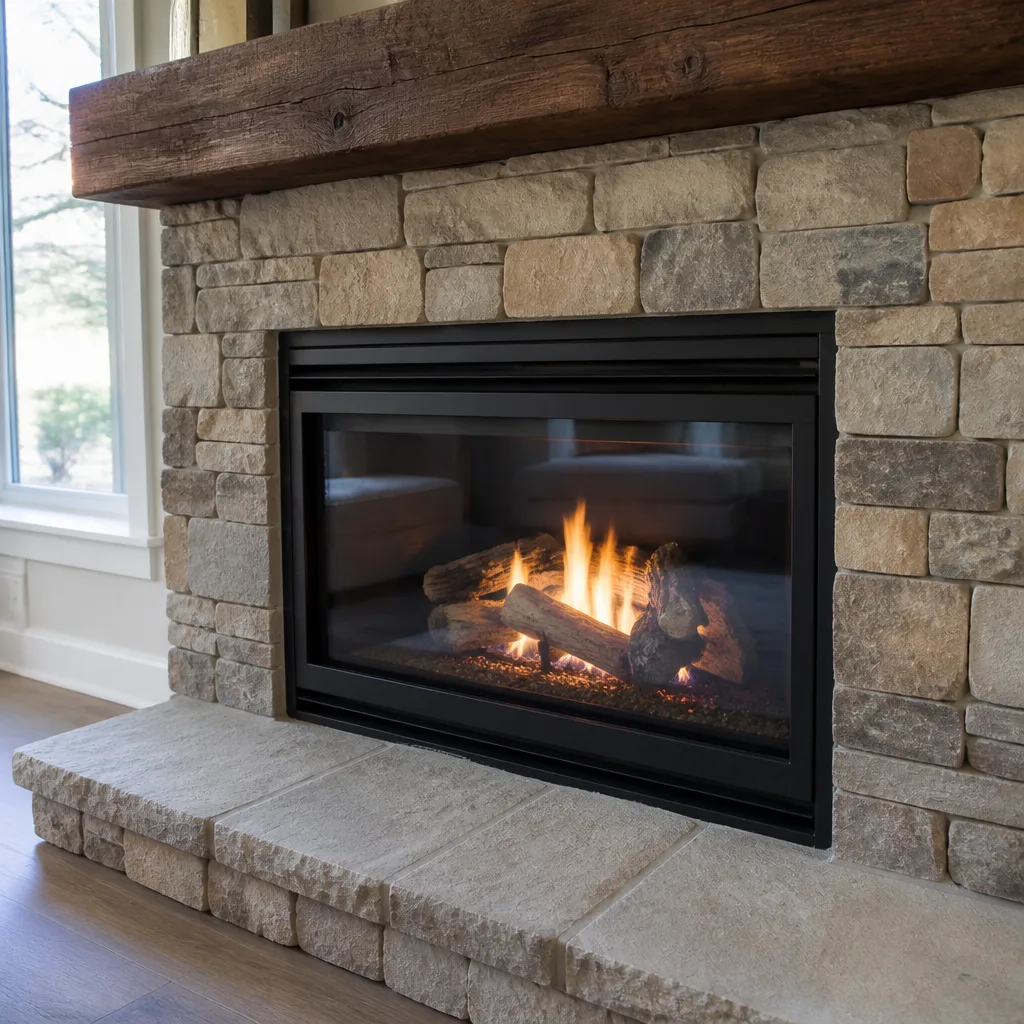 Gas fireplace service
Level 1 sweep and inspection to the NFPA 211 annual standard - flue, crown, cap, and flashing checked and photographed
Chimney sweep logs do not sweep chimneys. They loosen some creosote - which then falls where a brush and vacuum still have to collect it.
DIY vs Professional Chimney Cleaning: The Brandon Homeowner’s Decision Guide
You can buy a chimney brush at a hardware store and run it up your flue yourself. You might even do it well. What you can’t do with a brush in your hands is tell whether what you’ve left behind is Stage 1 creosote or Stage 2, or whether your liner has a hairline crack your brush just glided past. That’s the part of this decision most articles skip. They frame it as a money question when it’s really a capability question. This guide walks through what a Brandon homeowner can legitimately handle, where DIY stops being adequate, and how to know which side of that line your chimney sits on.
Quick Answer
Professional chimney cleaning is the safer choice for most Brandon homeowners because the sweep itself is only half the job – the inspection that comes with it is what catches creosote staging and liner damage you can’t see from the firebox. DIY cleaning makes sense in one narrow case: a lightly used fireplace with an already-inspected, sound liner, where you’re only removing ash and light soot between professional visits. Anything involving glaze, a dormant flue, or an unknown liner condition belongs with a trained technician.
Styles & brands we work with
- Sweep & inspection
- Caps & crowns
- Flue relining
- Masonry repair
- Gas fireplace service
Table of Contents
- The Real Question: Capability, Not Cost
- What You Can Legitimately Do Yourself
- The Technical Threshold Where DIY Falls Short
- Why Florida Chimneys Are Poor Candidates for DIY-Only Care
- The Cost Math: What DIY Saves and What It Risks
- The One Scenario Where DIY Cleaning Makes Sense
- How a Professional Clean Actually Works
- Inspection, Repair, and Why One Company Matters
The Real Question: Capability, Not Cost
The DIY chimney cleaning debate usually gets framed around saving money. That framing is a trap, because it makes the decision about your budget when it should be about your ability to answer three questions: How much creosote is in this flue? What stage is it at? And is the liner underneath it intact? If you can’t answer all three with confidence, you’re not really cleaning a chimney – you’re moving soot around inside a system you don’t fully understand.
Creosote is the crux of it. It builds up in three recognizable stages, and only the first one brushes away cleanly:
- Stage 1 is flaky, dusty soot. It comes off with a brush and a shop vac. This is the only stage a homeowner can reliably address.
- Stage 2 is a crusty, hardened deposit that clings to the flue walls. A brush skims it; it doesn’t remove it. You need rotating tools and the trained eye to know you’ve left some behind.
- Stage 3 is glazed, tar-like creosote that has essentially baked onto the flue surface. It’s the most combustible stage and the hardest to remove. It’s also the one most likely to be misread as “just heavy soot” by someone who hasn’t seen it before.
Here in Brandon, where fireplaces run hard for a few winter weeks and then sit idle for months, you get long stretches for deposits to cure and harden. That curing is exactly what pushes Stage 1 into Stage 2 while nobody is looking. A trained technician reads the difference at a glance. From inside the firebox with a brush, you can’t. That’s the honest dividing line, and it’s the one this guide is built around.
What You Can Legitimately Do Yourself
Plenty of chimney maintenance is genuinely within a homeowner’s reach – it’s just not the part that determines whether your flue is safe. Here’s the honest list of what you can handle without specialized tools or training, done the right way.
- Firebox cleaning. Once the firebox is fully cold, scoop out ash and leftover debris with a metal scoop into a metal container with a tight lid. Don’t vacuum warm ash into a household vacuum – it can hold embers for hours. Sweep the firebox floor and wipe the glass with a fireplace-specific cleaner.
- Ash removal. Keep a thin layer of ash on the firebox floor if you burn wood regularly; it insulates the coals. Otherwise, remove excess and store it in metal, away from anything combustible, until you’re certain it’s cold.
- Exterior visual check. From the ground with binoculars, look at the chimney top, cap, and flashing. You’re checking for obvious damage – a missing cap, loose flashing, visible cracks in the crown, or debris piled at the top. You’re not climbing up there; a fall from a roof is a far bigger risk than most chimney problems.
- Damper and smoke test. Open and close the damper a few times before your first fire of the season to confirm it moves freely. Light a small test fire and watch the smoke – if it rolls into the room instead of up the flue, that’s a sign to stop and get it checked.
- Debris clearing at the firebox. Remove leaves, bird nests, or storm debris that’s fallen down the flue and landed where you can safely reach it, using gloves and a flashlight. Anything higher up is a professional’s job.
None of this substitutes for a sweep and inspection. What it does is keep your fireplace clean and running reasonably well between professional visits, and it makes the actual chimney condition easier for a technician to assess when they arrive. For a full picture of what a proper chimney sweep covers, that’s the baseline service to understand.
The Technical Threshold Where DIY Falls Short
There’s a specific point where DIY stops being adequate, and it’s not about effort – it’s about tools and judgment. Three assessments sit on the far side of that line, and every one of them requires equipment and training a homeowner doesn’t have.
Liner inspection. A video camera on a flexible rod lets a technician see the entire flue interior, top to bottom, including the smoke chamber and the transition to the liner. A brush destroys nothing and reveals nothing – it passes right over cracks, gaps at joints, and separated seams. Cracks in a clay tile liner or a failing stainless liner are exactly the defects that let heat and creosote reach combustible framing. Without a camera, “the flue looks fine” means “I couldn’t see anything from here,” which is not the same statement.
Creosote staging. As covered earlier, Stage 2 and Stage 3 deposits look different up close and at a distance, and the difference decides whether a standard sweep is enough or whether chemical treatment and rotary cleaning are needed. Misjudging the stage means you think the flue is clean when it isn’t.
Smoke chamber assessment. The smoke chamber is the sloped space directly above the damper, and its corbelled shape makes it notoriously hard to clean and easy to overlook. Creosote collects in its corners. A technician evaluates the chamber’s condition, whether the parging is intact, and whether it needs resurfacing – work that falls under structural repair rather than sweeping. HeatShield is the system used for resurfacing that chamber and restoring the flue, and it takes trained hands to apply correctly.
There’s also the basic safety reality: chimney sweeping involves working around high heat zones, soot, and rooftop access. The dangerous parts of this trade – heights, combustion byproducts, and structural defects you can’t see – are exactly why a trained professional should handle anything beyond surface cleaning. We’re not going to hand a homeowner a set of instructions that puts them on a roof or inside an unknown flue.
Why Florida Chimneys Are Poor Candidates for DIY-Only Care
A chimney in Brandon lives a different life than one in a cold-climate state. It burns intensively for a short winter, then sits dormant for the better part of the year in warm, humid air. That pattern creates three specific problems that DIY-only maintenance tends to miss.
Long dormancy. When a flue goes unused for months, the creosote left at the end of the season has time to cure and harden into Stage 2 or Stage 3. A homeowner cleaning in the fall may be brushing a surface that was already beyond a brush’s reach. The deposits you can’t remove don’t announce themselves – they just sit there until the next fire season.
Biological growth. Warm, humid conditions and a closed damper create a favorable environment for mold, mildew, and organic growth inside neglected flues, along with the musty odors that often follow. A trained assessment distinguishes between surface growth that needs cleaning and moisture problems that point to a leak or a failing cap. DIY sweeping doesn’t address either.
Storm-related debris. Florida’s storm season drops leaves, twigs, and nesting material onto and into chimney tops. A cap helps, but debris can also wash into the flue and collect in places you can’t reach. Checking a chimney after storm season means looking at the crown, flashing, and cap – all of which need professional eyes to judge whether storm damage needs repair.
None of this means your chimney is falling apart. It means the conditions in Brandon make the parts of maintenance that require assessment more important, not less. If you want to understand the local landscape in more detail, this guide to Brandon and its home heating patterns is a decent starting point.
The Cost Math: What DIY Saves and What It Risks
The honest cost comparison isn’t “brush versus brush plus vacuum.” It’s “the money you save on a cleaning versus the cost of a defect the cleaning missed.” Let’s lay out the real line items, without pretending we know exact local prices – those come from a written estimate, and they vary with the flue and its condition.
- DIY savings: what you’d spend on a brush, rods, a HEPA vacuum, and a little time. That’s the entire financial upside.
- Professional sweep cost: a per-job price, set by the written estimate, that covers the cleaning and the visual inspection that comes with it.
- Cost of a missed liner crack: relining the flue – a full structural job, not a cleaning. DuraFlex liner systems are the materials we use for a proper reline, and that’s a different order of expense entirely.
- Cost of a missed creosote stage: chemical treatment plus rotary cleaning to remove what a brush left behind, or in the worst case, fire damage to the home and the insurance claim that follows.
- Cost of skipping the inspection entirely: you lose the ability to catch a deteriorating flue or a compromised cap before it becomes a repair.
The pattern is simple even without dollar figures: DIY saves a modest amount up front and carries the full downside if something is missed. Professional service shifts most of that risk to someone trained to catch it, and a written estimate tells you exactly what you’re paying before any work begins. When a sweep finds a problem, we can fix it – no second contractor to track down. That’s the value of the full service arc, and it’s where the cost math actually tips.
The One Scenario Where DIY Cleaning Makes Sense
There is a legitimate case for DIY chimney cleaning, and it’s narrower than most people assume. It applies when all of the following are true:
- Your chimney has been professionally inspected recently and the liner, smoke chamber, and cap were all found sound.
- Your fireplace is lightly used – occasional fires, not daily burning through the winter.
- You’re dealing primarily with Stage 1 soot, ash, and light surface deposits rather than crusted or glazed creosote.
- You’re not going onto the roof and not working inside an unknown or damaged flue.
In that situation, cleaning the firebox, removing ash, and brushing light surface soot between professional visits is reasonable. But even then, a professional service should follow on a regular schedule. The whole point of the inspection is that it establishes the baseline you’re cleaning against – and without that baseline, you’re guessing. If you’ve never had your chimney inspected, or it’s been more than a year, DIY cleaning is the wrong starting move. Get the assessment first, then decide what you can maintain between visits.
How a Professional Clean Actually Works
Understanding what a professional sweep actually does helps you see why the capability gap matters. Here’s the sequence we follow on a typical visit, and it’s roughly the industry standard.
- Prep and protect. Drop cloths go down around the firebox and any furniture nearby. Doors and windows are set for airflow, and a HEPA vacuum is hooked up to capture dust at the source.
- Visual inspection before cleaning. The technician checks accessible parts of the flue, the firebox, the damper, and the exterior components first, so the cleaning doesn’t disturb the evidence of problems.
- Camera inspection. A video camera goes down the flue to inspect the liner, joints, and smoke chamber. This is the step that catches what a brush passes over, and you see the footage.
- The sweep itself. The right brush and rod combination for your flue type, worked from the firebox up or from the top down, with the vacuum running throughout to contain the mess.
- Creosote handling. If deposits are beyond a brush, chemical treatment and rotary cleaning come next. Stage 3 glaze may need multiple passes or a return visit.
- Post-clean check and report. The camera goes back down to confirm the flue is clean, and you get a report of what was found and what, if anything, needs repair.
A licensed and insured technician who does this every day reads a flue like a mechanic reads an engine. The value is less in the brush and more in the trained eye returning to the same chimney and knowing what changed.
Inspection, Repair, and Why One Company Matters
The most common homeowner frustration in this niche is the handoff problem. A sweeper cleans the flue, finds a failed liner or a cracked chimney crown, and then the homeowner has to go find a separate repair contractor – who may not agree with the sweeper’s assessment and may charge for a second evaluation.
We handle the full arc in one place: inspection, cleaning, and chimney repair. When the camera finds a problem, the same company that found it can fix it, working from a written estimate you approve first. That continuity matters because the assessment and the repair are connected. The technician who inspected the flue knows exactly what needs addressing.
It also matters that we work with professional-grade chimney-industry materials rather than whatever the local hardware store carries. DuraFlex, Copperfield, and Gelco components are purpose-built for chimney work – stainless liners, flashing and cap solutions made for the actual job, not improvised. Fitting rain caps and flashing with genuine components instead of generic parts means the weatherproofing performs as it should on the first installation.
Brandon Chimney Sweep works in the chimney niche specifically, not as a general HVAC or handyman operation adding chimney work on the side. That’s why we can tell you plainly when work can wait and when it can’t. Our technicians have up to 10 years of experience, and the recommendation you get is based on what the camera shows – not on what a sales sheet says.
Common Mistakes to Avoid
- Cleaning without inspecting first. A brush removes soot; it tells you nothing about the liner. Skipping the camera inspection is the single biggest mistake in DIY chimney work, and it’s the one that hides the expensive problems.
- Assuming a clean-looking firebox means a clean flue. Stage 2 and Stage 3 creosote builds up in the flue itself, not in the firebox. You can have a tidy firebox and a dangerous flue.
- Brushing off glaze as “heavy soot.” Glazed creosote is tar-like and combustible, and a brush passes over it. Treating it as ordinary buildup causes people to skip the treatment it needs.
- Going onto the roof without fall protection. Rooftop access is a serious fall risk, and it’s not a job for a homeowner with a ladder and good intentions. Leave the roof work to a professional with the right equipment.
- Letting a dormant flue go unchecked after storm season. Branches, nests, and debris collect in flues and on caps during the storm months, and the problem often isn’t visible from the ground.
- Ignoring a persistent musty smell. In Brandon’s humidity, an odor from the fireplace often points to moisture or organic growth inside the flue. It’s an assessment problem, not a deodorizing job.
- Choosing a generalist because the price looks lower. A handyman or HVAC company that cleans chimneys occasionally isn’t working with the specialized tools or parts the trade calls for. The savings disappear fast when a repair gets done twice.
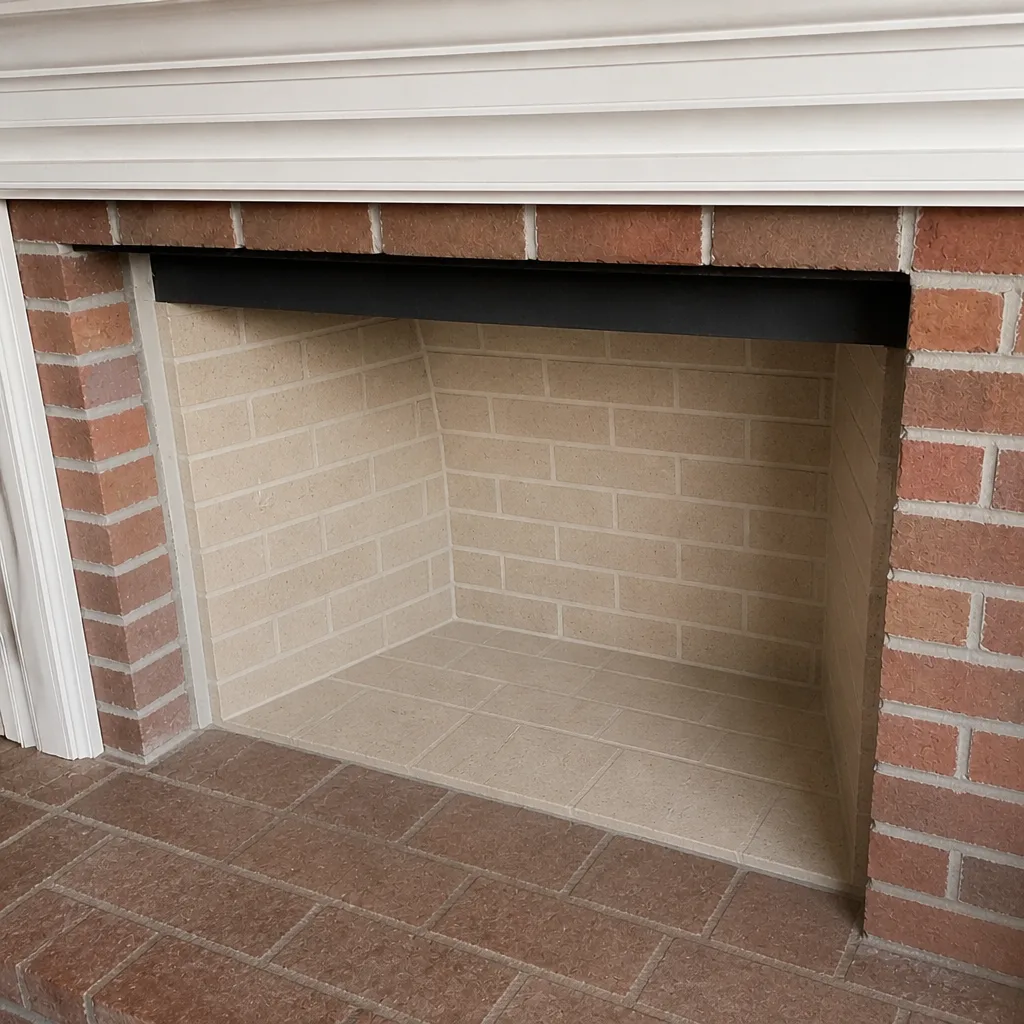
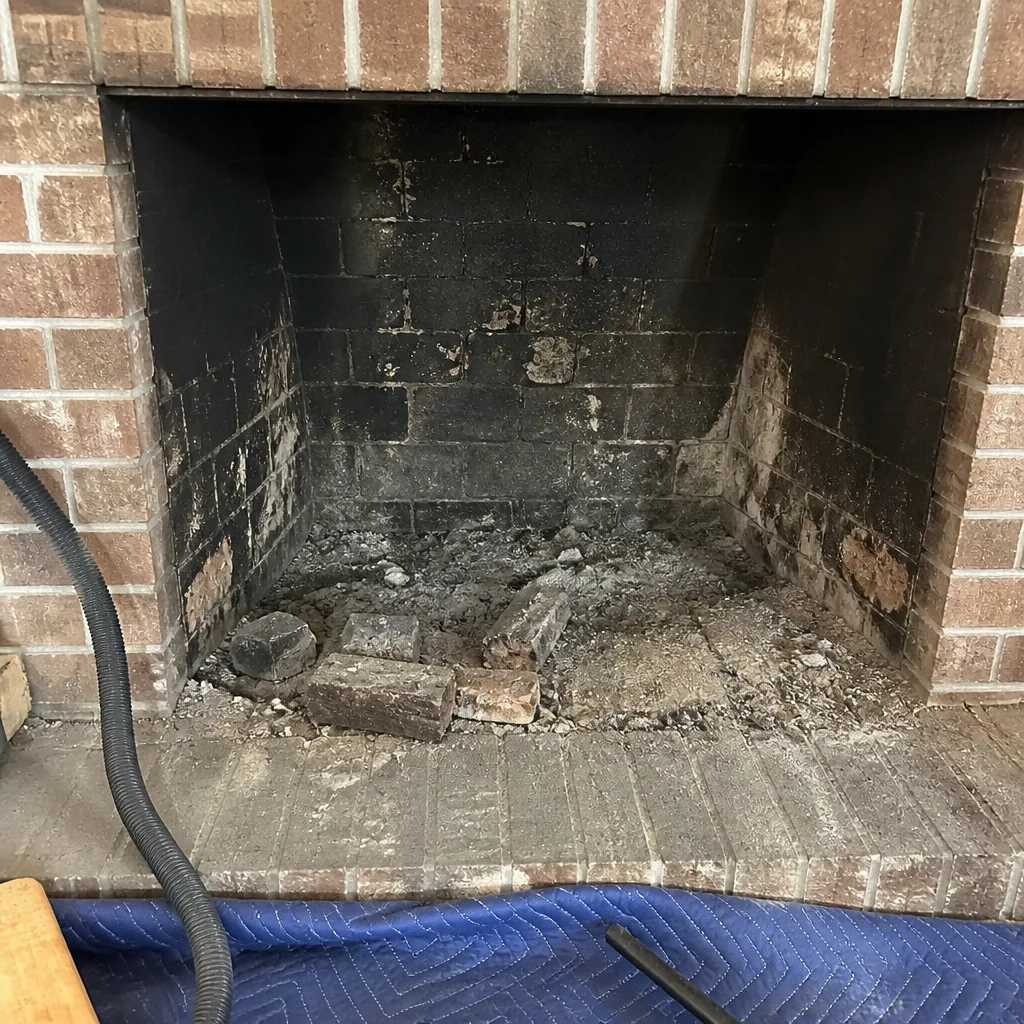
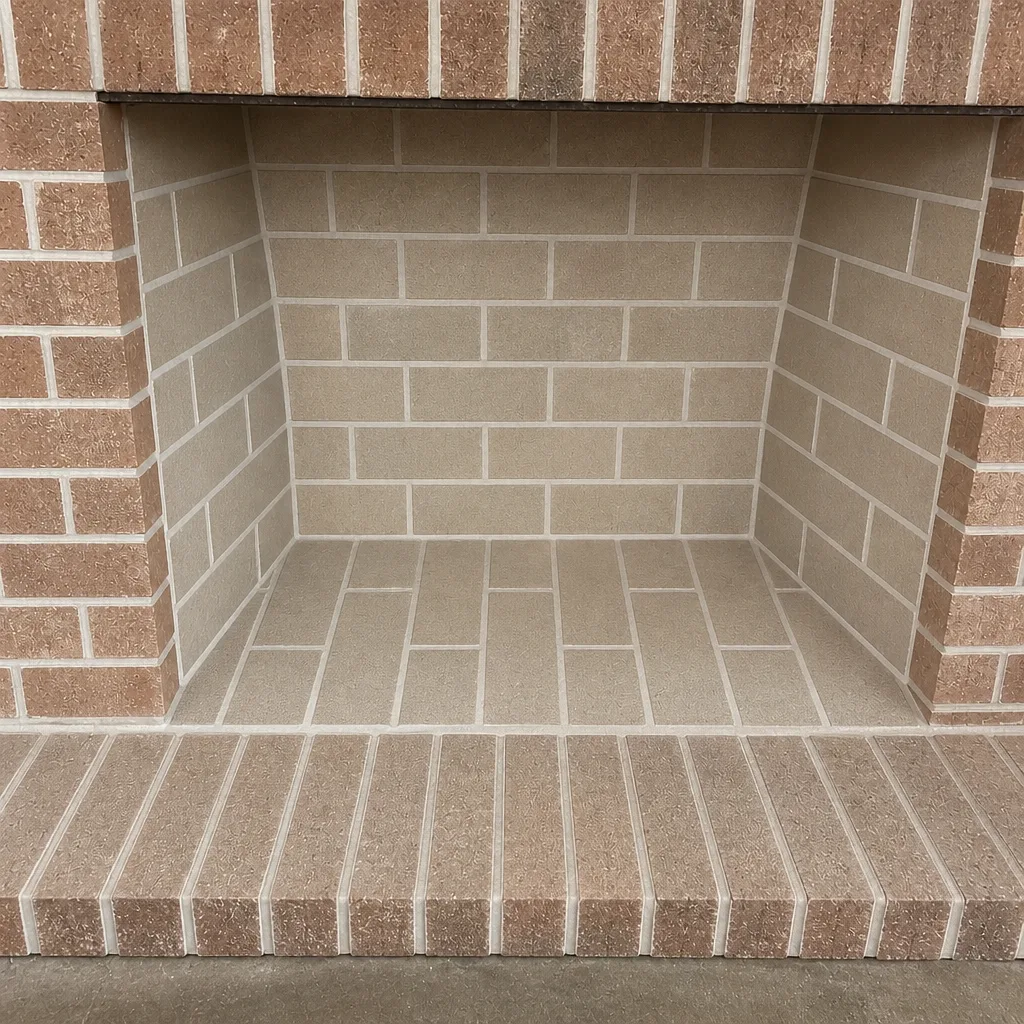
See the difference
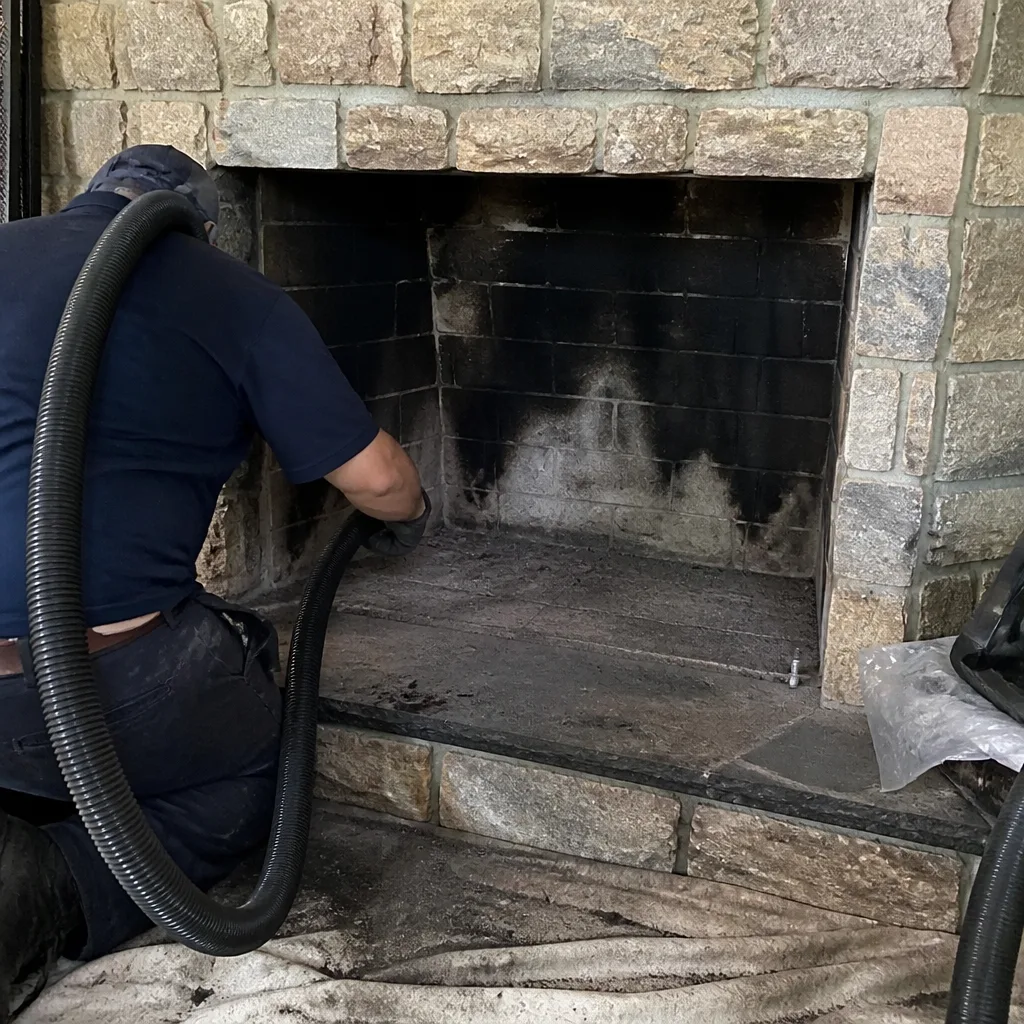 Before
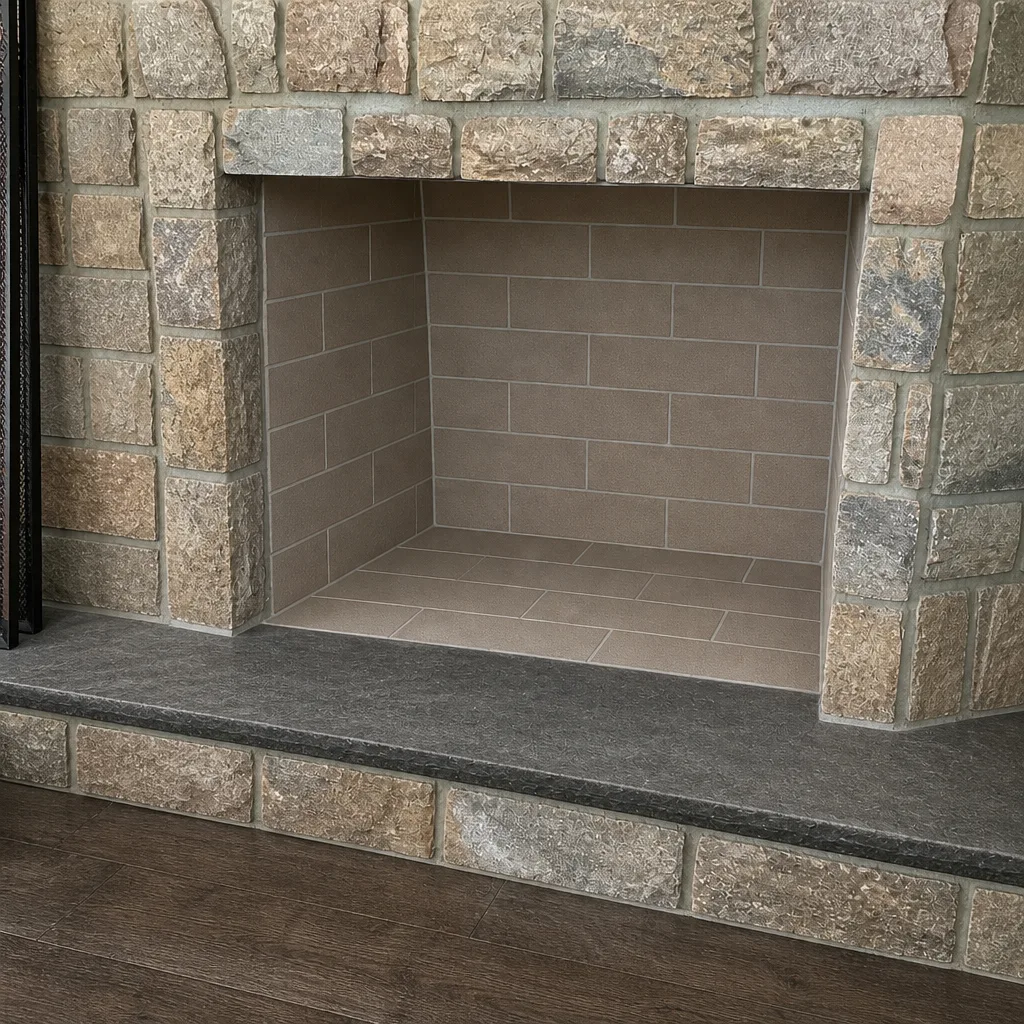 After
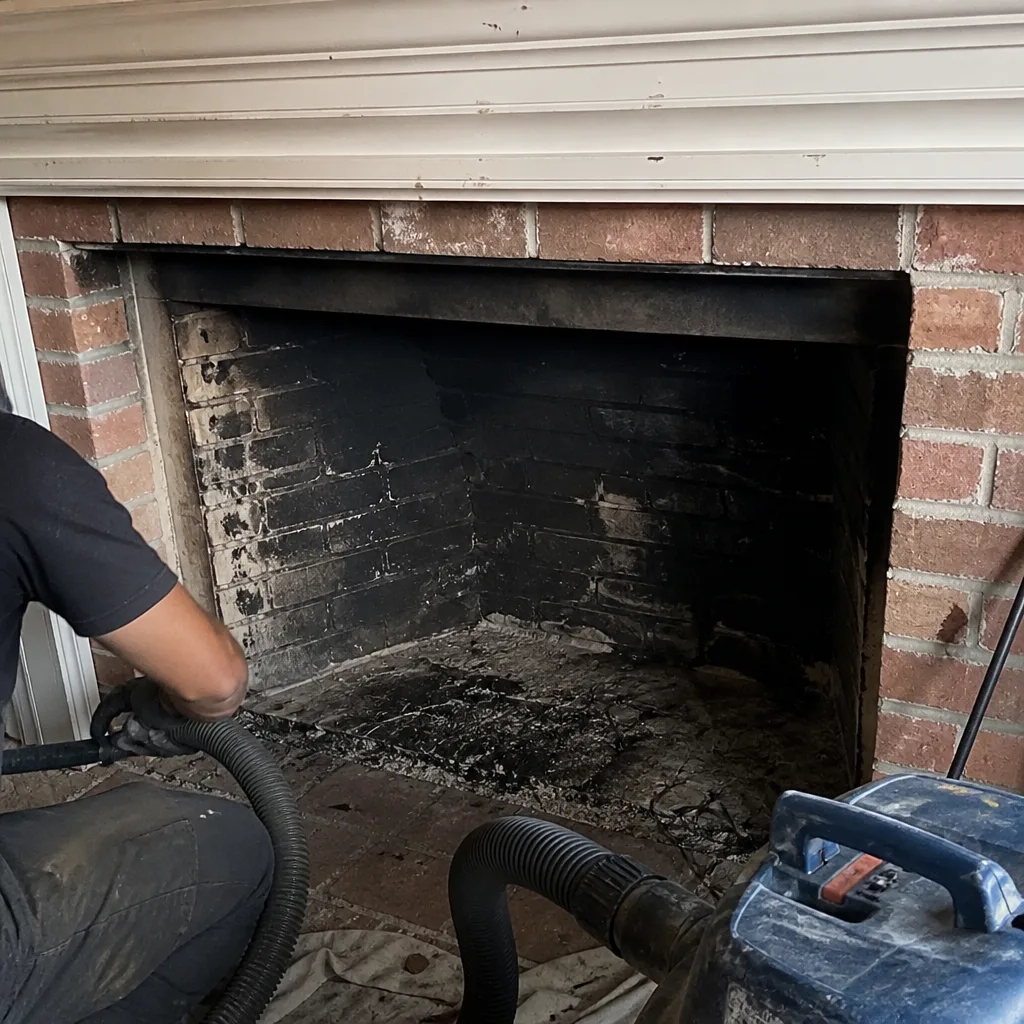 Before
 After
 Before
 After
When to Call a Professional
Call a professional when any of these apply: you’ve never had the chimney inspected; it’s been more than a year since the last sweep; you’re seeing crusted or glazed deposits on the flue walls; you smell a persistent musty odor; you notice a cracked crown, loose flashing, or a damaged cap from the ground; your flue has never had a camera inspection; or you’ve had storm damage to the chimney exterior. Those scenarios involve assessment and repair, not just cleaning, and they’re outside the safe reach of DIY work.
Brandon Chimney Sweep offers free estimates in Brandon – call (866) 501-5479. We answer 24/7. Fast dispatch from 7am to 7pm, Sunday through Friday. A call outside dispatch hours is booked into the next opening.
Frequently Asked Questions
You can clean the firebox, remove ash, and brush light surface soot yourself, but you shouldn’t handle anything beyond Stage 1 deposits or the first inspection of an unknown flue. The parts that determine safety – creosote staging and liner condition – require a camera and training you don’t have. Have a professional inspect first, then decide what to maintain between visits.
A chimney sweep in Brandon is priced per job by a written estimate, not by a flat national number. The price depends on the flue type, the creosote stage, and whether repairs are needed, and the written estimate sets the final price before any work begins. Call (866) 501-5479 for an exact quote – estimates are free.
Most chimneys should be swept and inspected at least once a year, and more often if you burn wood heavily. For a Brandon fireplace that burns hard for a few weeks and then sits dormant, the annual inspection is especially important, because dormant months let creosote cure and harden. Call us for a sweep and inspection before your next burning season.
Not reliably. Stage 1 is dusty and flaky, Stage 2 is crusted and hard, and Stage 3 is glazed and tar-like, and the difference between what a brush skims and what it actually removes is easy to misjudge. A trained technician reads the stage on inspection and knows whether chemical treatment or rotary cleaning is needed. Call (866) 501-5479 to have your flue assessed.
You only need a new liner if the inspection shows the existing one is cracked, separated, or otherwise compromised. A camera inspection shows you exactly what’s there, so there’s no guesswork: if the liner is sound, a cleaning and a proper assessment are enough. Call (866) 501-5479 and we’ll tell you what the camera shows.
Skipping the inspection removes the only reliable way to catch liner cracks and advanced creosote before they become a fire risk or a structural problem. The damage doesn’t announce itself – it accumulates quietly in a flue you can’t see. Call (866) 501-5479 to book an inspection and get a clear picture of your chimney’s condition.
The Bottom Line
The DIY versus professional decision isn’t about whether you can push a brush up your flue. It’s about whether you can read the result. Firebox cleaning, ash removal, and exterior visual checks are legitimately yours to handle – and worth doing well between visits. But creosote staging, liner condition, and smoke chamber assessment need tools and training you don’t have, and those are the findings that decide whether your chimney is safe to use. In Brandon’s climate, where flues sit dormant for months and storm debris collects on caps and crowns, that gap matters more than usual.
If your chimney has never been inspected, or it’s been more than a year, start with a professional sweep and camera inspection, then handle the legitimate DIY parts between visits. Brandon Chimney Sweep covers inspection, cleaning, and repair in one place, with professional-grade DuraFlex, Copperfield, and Gelco materials and a written estimate before any work. Call (866) 501-5479 for a free estimate. We answer 24/7. Fast dispatch from 7am to 7pm, Sunday through Friday.
Written by the team at Brandon Chimney Sweep.