
Last updated November 15, 2026
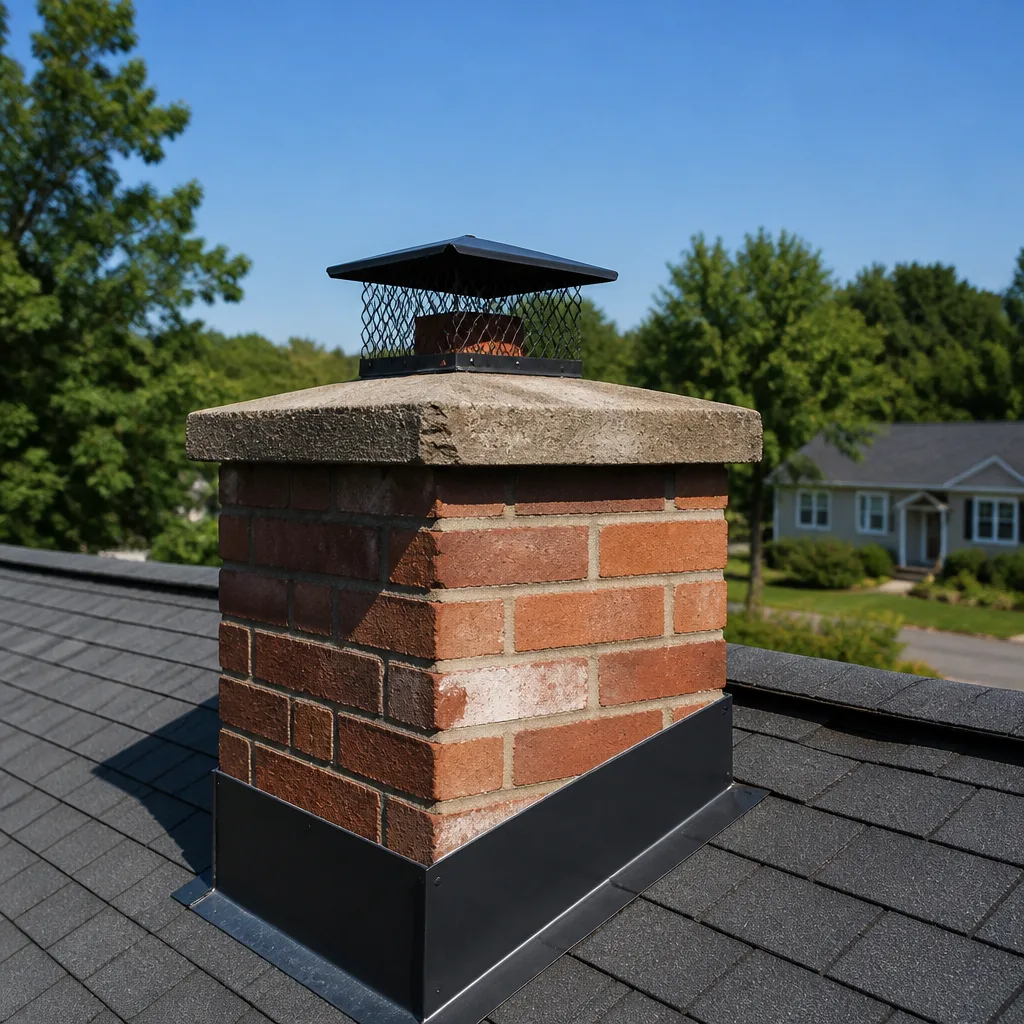 Sweep & inspection
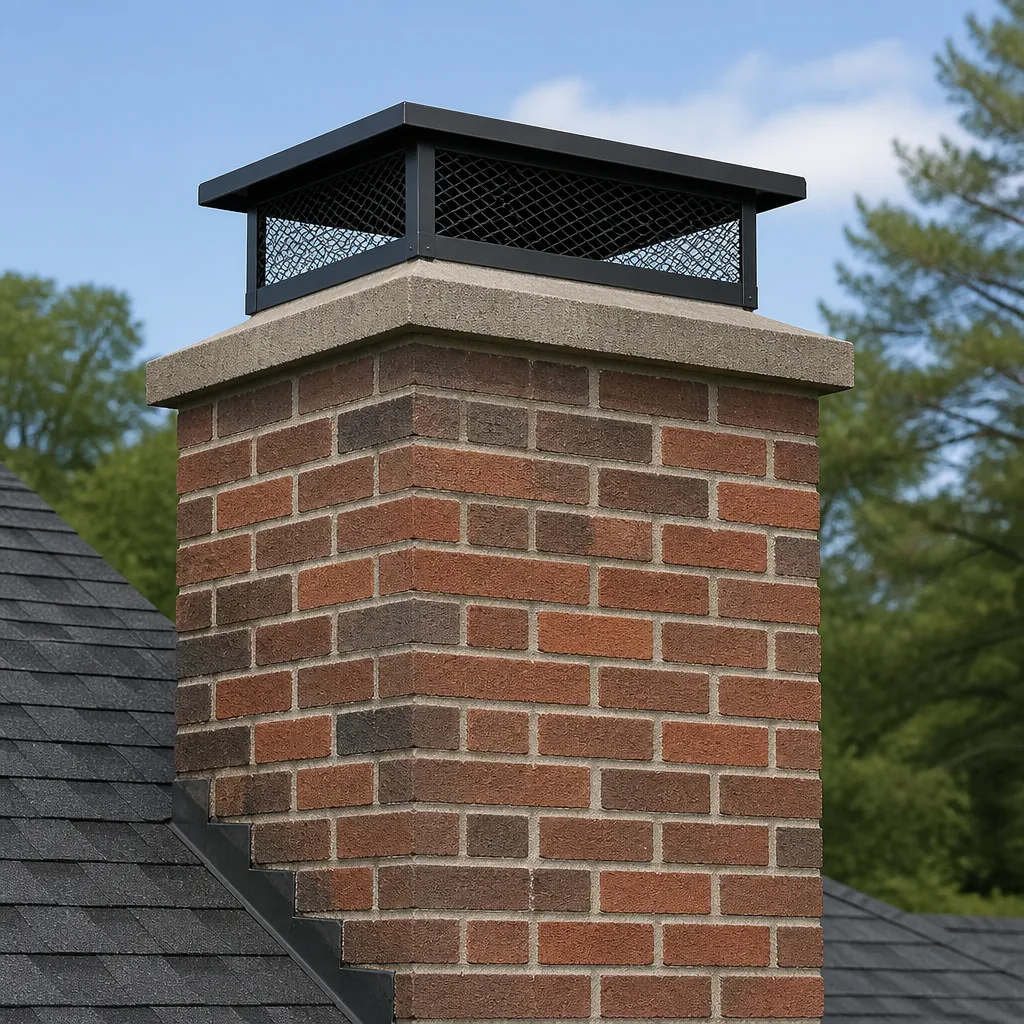 Caps & crowns
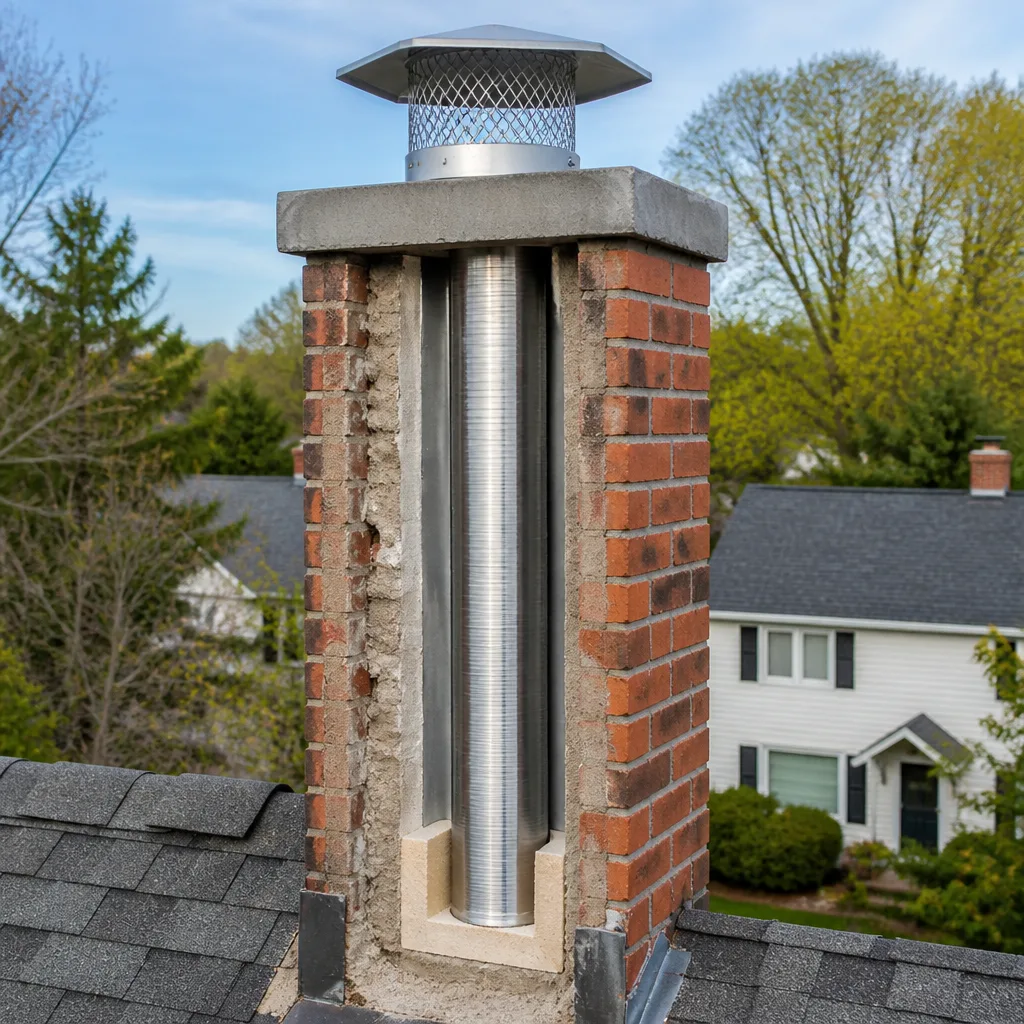 Flue relining
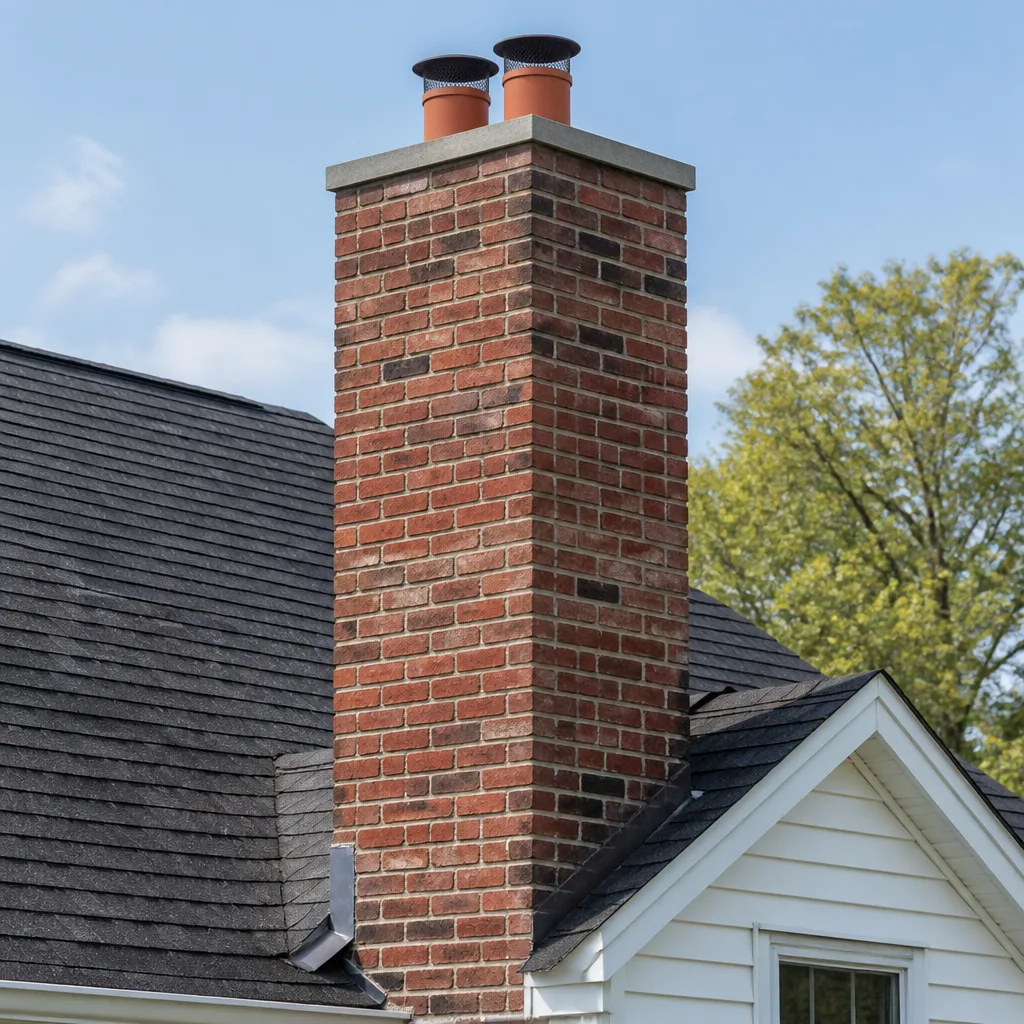 Masonry repair
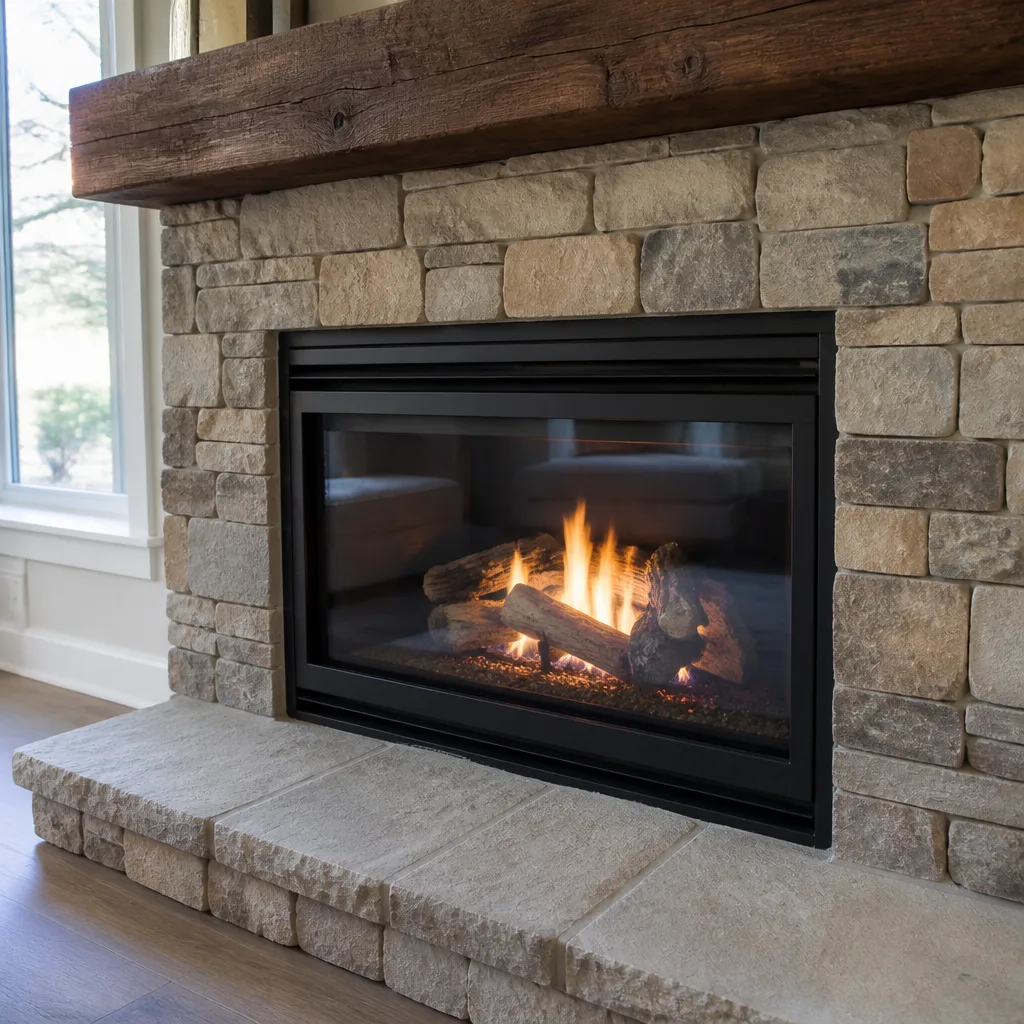 Gas fireplace service
Level 1 sweep and inspection to the NFPA 211 annual standard - flue, crown, cap, and flashing checked and photographed
Chimney sweep logs do not sweep chimneys. They loosen some creosote - which then falls where a brush and vacuum still have to collect it.
Chimney Sweep Maintenance Schedule: What to Do and When
“Sweep once a year” is the advice most homeowners hear, and it was written for places with six months of heating weather. In Brandon, your chimney spends most of the year idle, and the real maintenance trigger isn’t a date on the calendar – it’s what the flue was exposed to during the nine months nothing was burning. A fireplace lit a handful of times each winter needs a different rhythm than a wood-burning insert running hard through a January cold snap. This guide sets out a schedule built around how you actually use your chimney and what a Brandon summer does to it while it sits. We’ll cover pre-season checks, use-based sweep thresholds, post-storm inspection, and the long-term work almost nobody schedules.
Quick Answer
In Brandon, schedule a professional sweep and inspection before your first fire of the season, then set your sweep frequency by how much wood you actually burn rather than by the calendar. A fireplace used a few times a year typically needs one annual sweep; a wood-burning insert used regularly through the winter often needs cleaning more than once a year. Structural checks – crown, flashing, cap and liner – belong on a 3-5 year cycle, and a full inspection should follow any tropical storm that passed over your roof.
Styles & brands we work with
- Sweep & inspection
- Caps & crowns
- Flue relining
- Masonry repair
- Gas fireplace service
Table of Contents
- The Brandon Pre-Season Checklist
- Why Use, Not the Calendar, Sets Your Sweep Interval
- How Fuel Type Changes the Schedule
- What to Inspect After a Hurricane or Tropical Storm
- Long-Term Maintenance Most Homeowners Never Schedule
- Keeping a Chimney Log That Actually Helps
- Common Mistakes to Avoid
- When to Call a Professional
The Brandon Pre-Season Checklist
Your chimney’s hardest season isn’t winter. It’s the long, humid stretch from spring through fall when the system sits unused and the masonry gets worked on by weather. Before you light the first fire of the year, work through this in order:
- Look at the crown from the ground. Binoculars are enough. You’re checking for cracks, crumbling mortar, or a crown pulling away from the flue. A failed crown lets water straight into the masonry.
- Check the cap and spark screen. Storm debris, twigs and palm litter collect on top of caps across Brandon. A clogged screen blocks draft and invites birds and squirrels into the flue.
- Look for water staining. Rust-colored streaks on the exterior, or damp patches on the firebox ceiling, point to a leak that started during the wet season.
- Check the flashing where the chimney meets the roof. This is the seam most likely to fail silently. Lifted or cracked flashing around a chase cover is a common find.
- Open the damper and look up. You want to see daylight and no visible animal nests or heavy soot blocking the flue.
- Confirm the firebox and smoke chamber are intact. Cracked firebrick or missing mortar joints need attention before the first burn, not after.
- Test your smoke and carbon monoxide alarms. This is the one step people skip, and it’s the cheapest safety measure in the whole list.
If any of it looks wrong, that’s the point to bring in a professional instead of guessing. Our technicians have up to 10 years of experience reading exactly these signals, and a chimney sweep visit in the fall catches most of them before they become repairs.
Why Use, Not the Calendar, Sets Your Sweep Interval
The old once-a-year rule assumes a heating season long enough that the buildup evens out. In Brandon it doesn’t, so match the interval to your habits instead. Here’s a practical way to think about it:
- Occasional fireplace (a few fires a season): one professional sweep and inspection per year, ideally in the fall before the first burn.
- Regular weekend burning through the cooler months: one annual sweep, but confirm with the technician that creosote levels stay light between visits.
- Wood-burning insert used as real heat: expect to need cleaning more than once a year. It runs hotter and longer, and buildup accumulates faster than a decorative fireplace ever shows.
- Gas logs or a gas insert: no creosote, but the flue, venting and connections still need an annual inspection. Gas appliances fail differently than wood, and the check is not optional.
Creosote is what the schedule is really about. Every fire leaves some behind, and the deposits harden the longer they sit. Glazed creosote on the flue walls is the fuel a chimney fire feeds on, and it doesn’t scrub off with a brush – it needs mechanical removal or resurfacing. In our experience, homeowners who burn steadily but skip a year or two tend to find more glazed buildup than they expect. That’s the case where a proper evaluation matters, and where a system like chimney repair with HeatShield resurfacing can restore a damaged flue rather than just cleaning it.
How Fuel Type Changes the Schedule
What you burn leaves different deposits, and that changes both how often you sweep and what the sweep is looking for. A few rules of thumb for Brandon wood burners:
- Hardwood (oak, hickory): the cleanest burn, provided it’s seasoned. This is what you want to be burning most of the time.
- Pine and other softwoods: more creosote per fire and more sap. Common in Florida yards, fine for kindling, not the fuel to run all winter on.
- Green or unseasoned wood: the biggest single cause of heavy buildup. Wet wood smolders, and smoldering sends more unburned material up the flue than a hot fire ever does.
- Manufactured logs: predictable and cleaner than wet wood, but they burn hot; follow the manufacturer’s guidance and don’t overload the firebox.
Volume is easier to track than you’d think. A cord of seasoned hardwood, burned over a winter, maps roughly onto one sweep. Burn a cord and a half in a wood-burning insert and you’ve almost certainly crossed into a second cleaning. The most reliable method is to write down the wood you buy and when you burn, then let a technician measure the flue deposits against that log. That’s how a schedule gets accurate rather than optimistic.
One more thing: burn hot fires with dry wood, and you’ll spend less on maintenance over the long run. Smoldering, dampered-down fires feel cozy but load the flue with exactly what you’ll be paying to remove later.
What to Inspect After a Hurricane or Tropical Storm
Storm season in Brandon is the reason a chimney needs checking whether or not anyone lit a fire since spring. High wind stresses the parts of a chimney system that never fail on a calm day. After any named storm or strong squall line, look for:
- Missing or shifted caps and chase covers. Wind lifts them, and a missing cap means rain and debris go straight down the flue. Purpose-built caps from brands like Gelco and Famco fit correctly and last; improvised replacements don’t.
- Flashing damage at the roofline. Wind-driven rain finds gaps in flashing fast. Lifted or curled edges need immediate attention before the next storm.
- Masonry cracks and loose mortar. A crown that cracked in the wind lets water into the structure with every afternoon thunderstorm that follows.
- Storm debris on the cap screen. Leaves and twigs collect on the mesh. Check it even if the chimney looks untouched from the driveway.
- Chimney movement or a visible lean. Any change in how the chimney sits against the roof calls for a professional inspection, not a ladder and a phone flashlight.
Document what you find with photos and dates. That record is worth keeping whether you’re filing a claim or planning a repair. When flashing or a cap is involved, we specify the right component for the job rather than improvising with sealant, because that’s the difference between a repair that lasts and one that fails in the next storm.
Long-Term Maintenance Most Homeowners Never Schedule
Cleaning is the part everyone knows about. The structural tasks below happen on a multi-year rhythm, and they’re the ones that prevent expensive problems – which is why almost nobody has them on a calendar.
- Crown resealing and repair – roughly every 5 years, or after visible cracking. The crown is a concrete cap that sheds water off the top of the chimney. Cracks let water in. Resealing is far cheaper than rebuilding.
- Flashing inspection – every 2-3 years and after any significant storm. A small flashing gap turns into a rotted chase and stained ceilings quickly in a wet climate.
- Liner check – every 3-5 years, or any time you notice masonry damage, a change in how the fire draws, or after a suspected chimney fire. A cracked or degraded liner is a carbon monoxide pathway. It should be evaluated with a camera, not a quick look.
- Chase cover condition – on the same cycle as the crown. A failing chase cover lets water pool at the top of the chimney; a proper Famco cover from the start avoids the problem.
When a liner does need attention, professional-grade systems like DuraFlex relining and Olympia Chimney components are built for the job. These are industry-specific materials; the brands a generalist contractor would reach for are not the ones a dedicated chimney specialist specifies. If a flue is cracked and pitted rather than failed outright, HeatShield resurfacing can restore it, and that’s one of the reasons we keep HeatShield-capable work in our toolkit. In the flue, the right material is a safety decision, not a finishing choice.
Keeping a Chimney Log That Actually Helps
The single easiest thing you can do for your chimney costs nothing: keep a logbook. It makes every future inspection faster and gives you a paper trail that matters at resale or when you file an insurance claim. A simple notebook or a note on your phone is enough. Record:
- Date of each sweep and inspection, and who did it.
- What the technician found and recommended, including anything that can wait.
- Repairs made, when, and with what materials (for example, liner type, cap brand, flashing repair).
- Approximate wood volume burned each winter and roughly how many fires.
- Storm events and post-storm findings, with photos.
- Alarm test dates.
When you keep this, an inspector can see the system’s history instead of guessing. For a buyer or an insurer, it’s evidence that the chimney was maintained, not just that it exists. It also makes it obvious if a maintenance interval was skipped, which is when the more expensive problems sneak in.
The point of all this is documentation. Most of the pain in chimney ownership comes from problems nobody noticed until they were large. A record and a steady schedule fix that.
Common Mistakes to Avoid
- Waiting until you smell smoke or see soot. By the time those signs show up, buildup has gone further than a single sweep would have handled. Sweep before the season, not after it bites you.
- Using the calendar instead of your actual use. A fireplace used five times a year and a wood-burning insert used all winter need different intervals. Treat the “sweep annually” rule as the floor, not the ceiling.
- Skipping the crown and flashing because they’re not the flue. Water damage is the most common long-term cause of chimney failure in a climate like ours, and it starts at the top. Check the crown and flashing every fall.
- Lighting a fire after a storm without looking up. Debris or a displaced cap can block the flue. Inspect the cap and the flue before you put a match to it.
- Reaching for a generalist contractor to fix a flue finding. Unless they work in chimneys specifically, they may not have the materials or the training. The right fix uses purpose-built parts and the right system for the flue.
- Running a gas appliance with annual inspection skipped. Gas logs don’t make creosote, but they can fail in ways that make carbon monoxide a real risk. Inspect them every year without exception.
- Treating a cracked liner like a cleaning problem. A damaged flue needs evaluation, not another sweep. Don’t light a fire until it’s been checked.
When to Call a Professional
Some tasks are yours to do – the annual checklist, the pre-season look, the logbook. Other situations call for a trained professional, and the cost of guessing is high. Call when you see a cracked crown or damaged masonry, when the flashing is lifted, when a smoke or carbon monoxide alarm sounds near the fireplace, when there’s a strong creosote smell or visible glazed deposits, after a chimney fire (even a small one you think you put out), when a liner looks suspect, or when you’re moving into a home whose chimney history is unknown. A professional with a camera can confirm what’s actually going on instead of guessing. At Brandon Chimney Sweep, one call covers inspection, cleaning and repair, so a sweep and any necessary repair don’t land with two different contractors. Call (866) 501-5479 for a free estimate. We answer 24/7. Fast dispatch from 7am to 7pm, Sunday through Friday.
See the difference
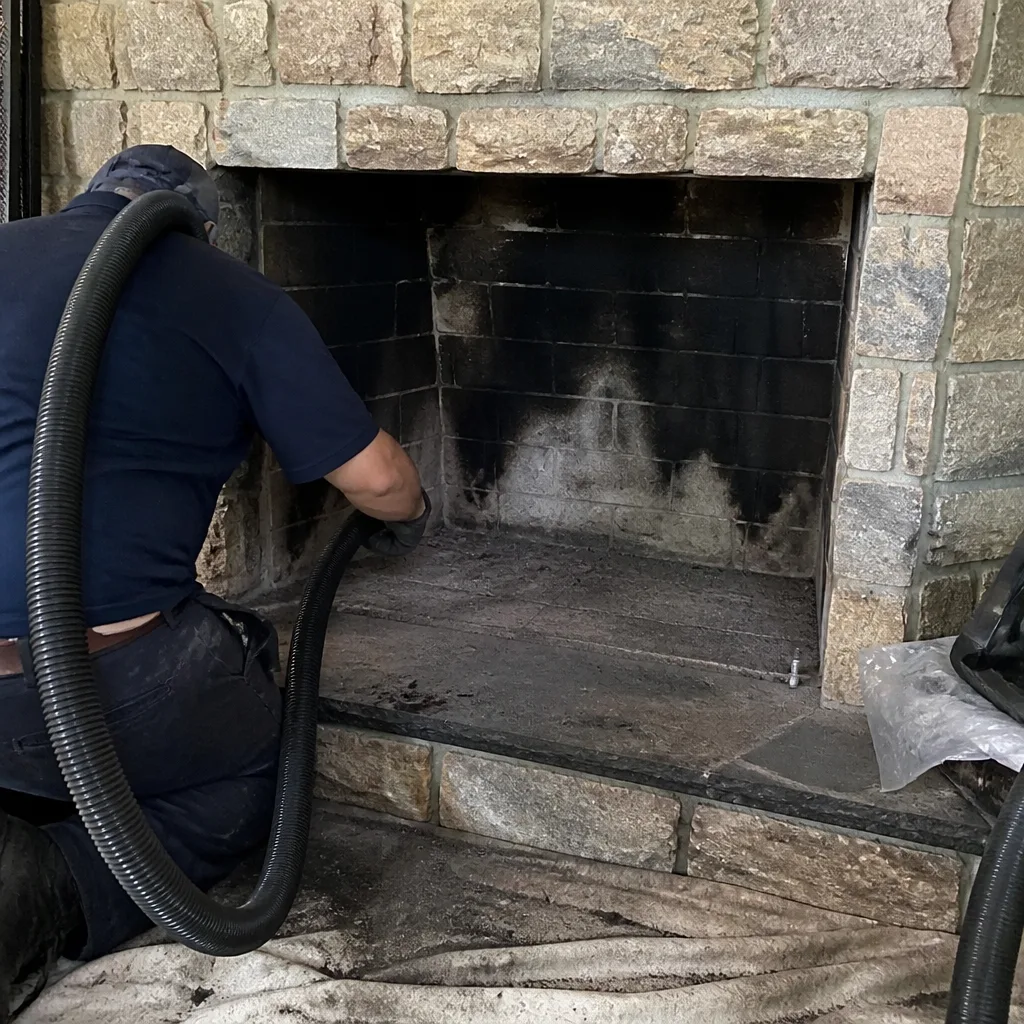 Before
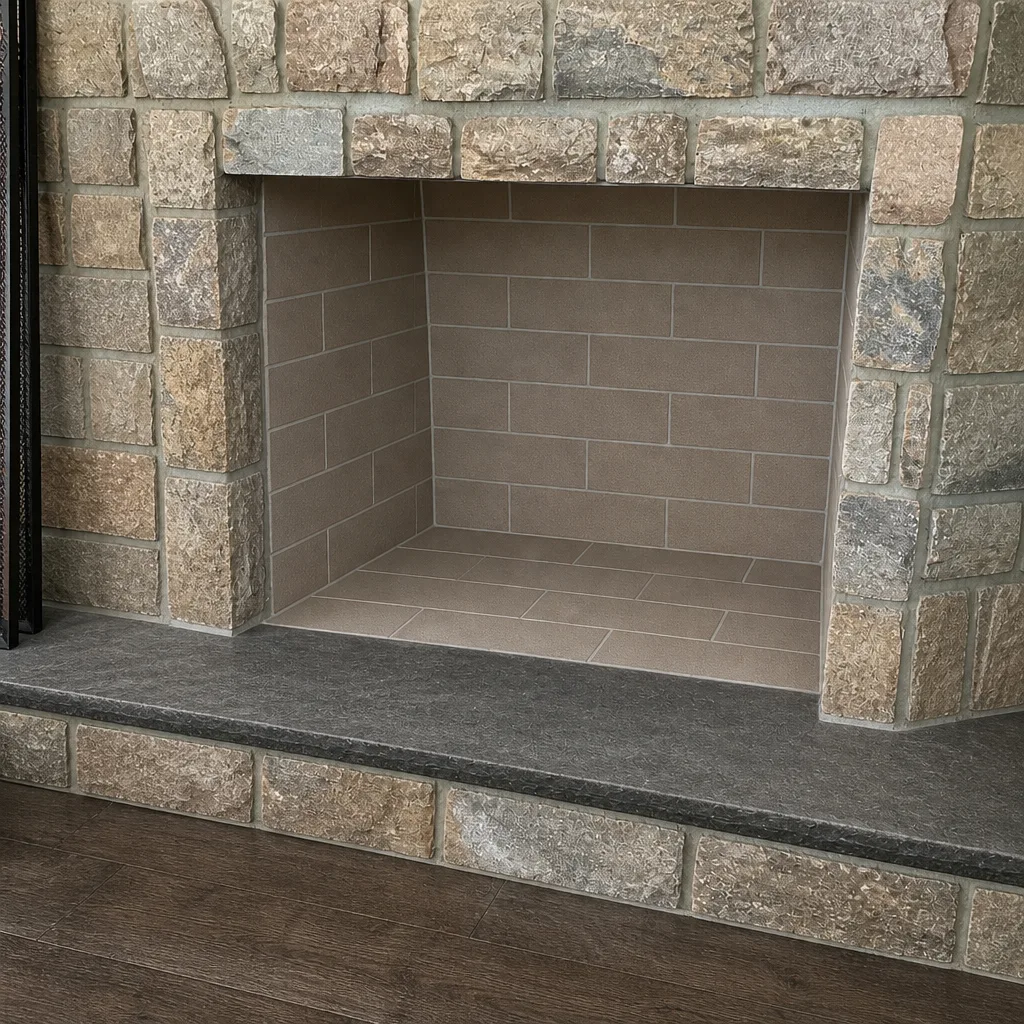 After
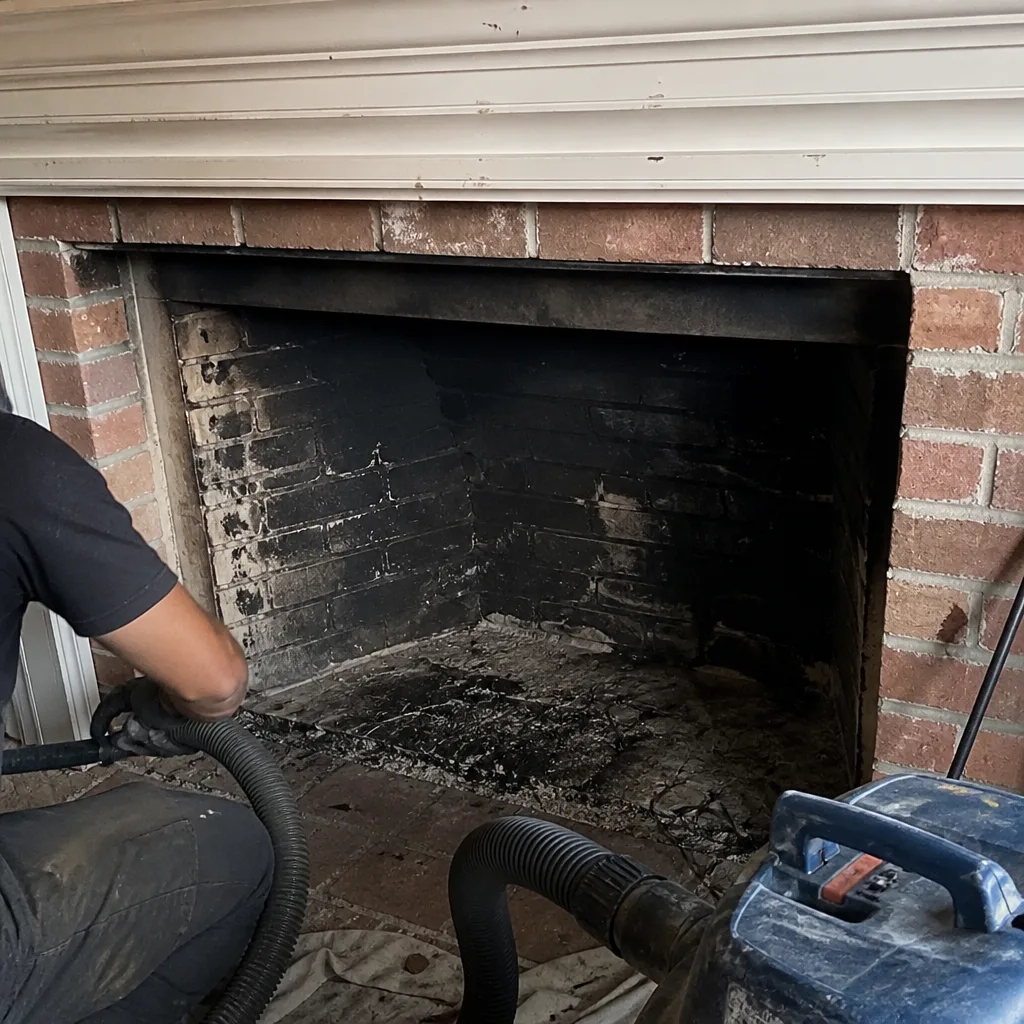 Before
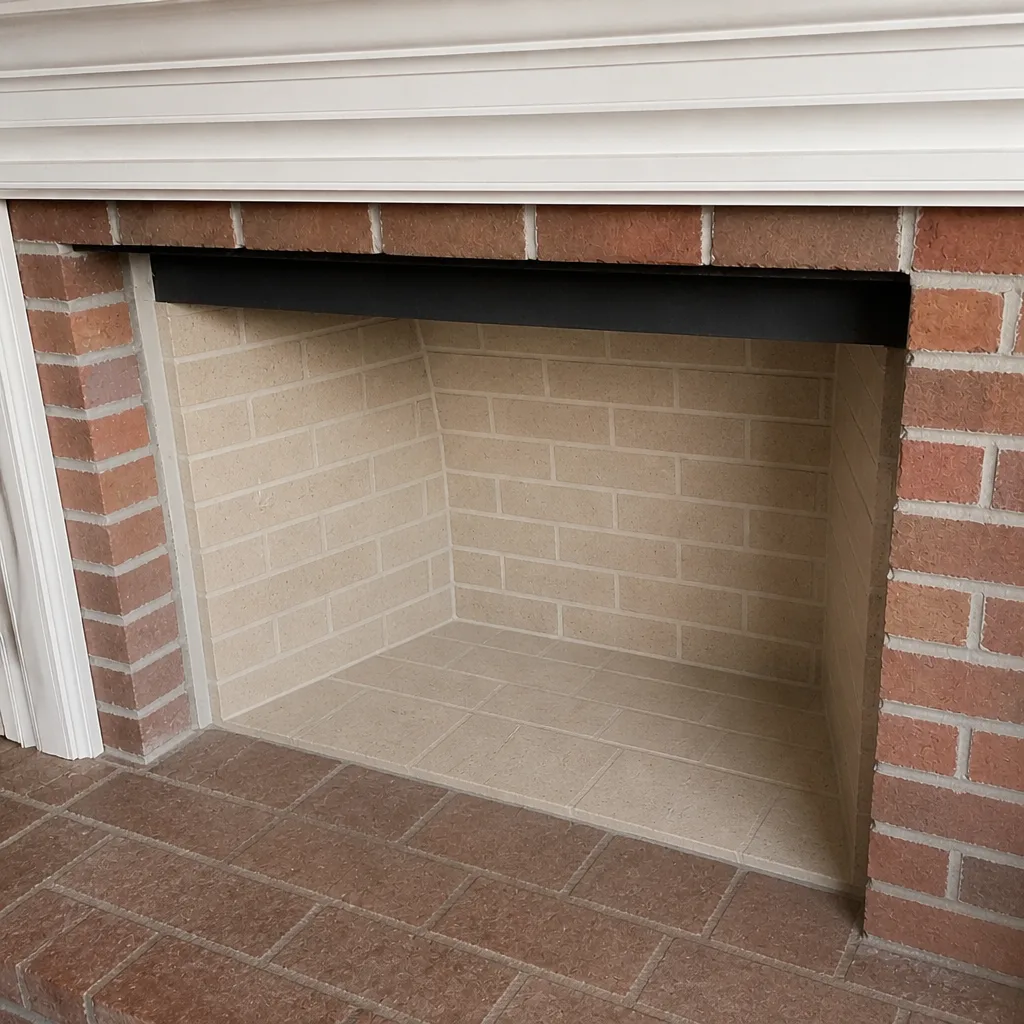 After
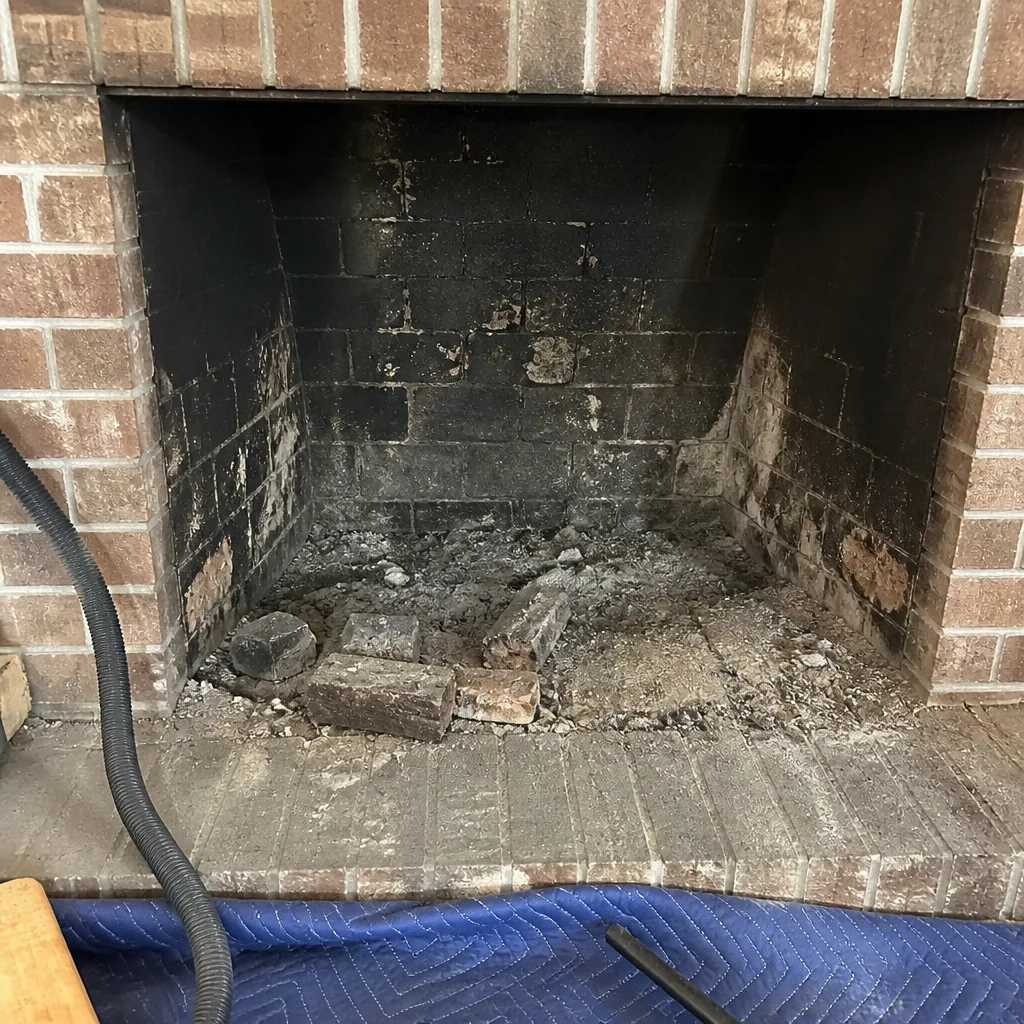 Before
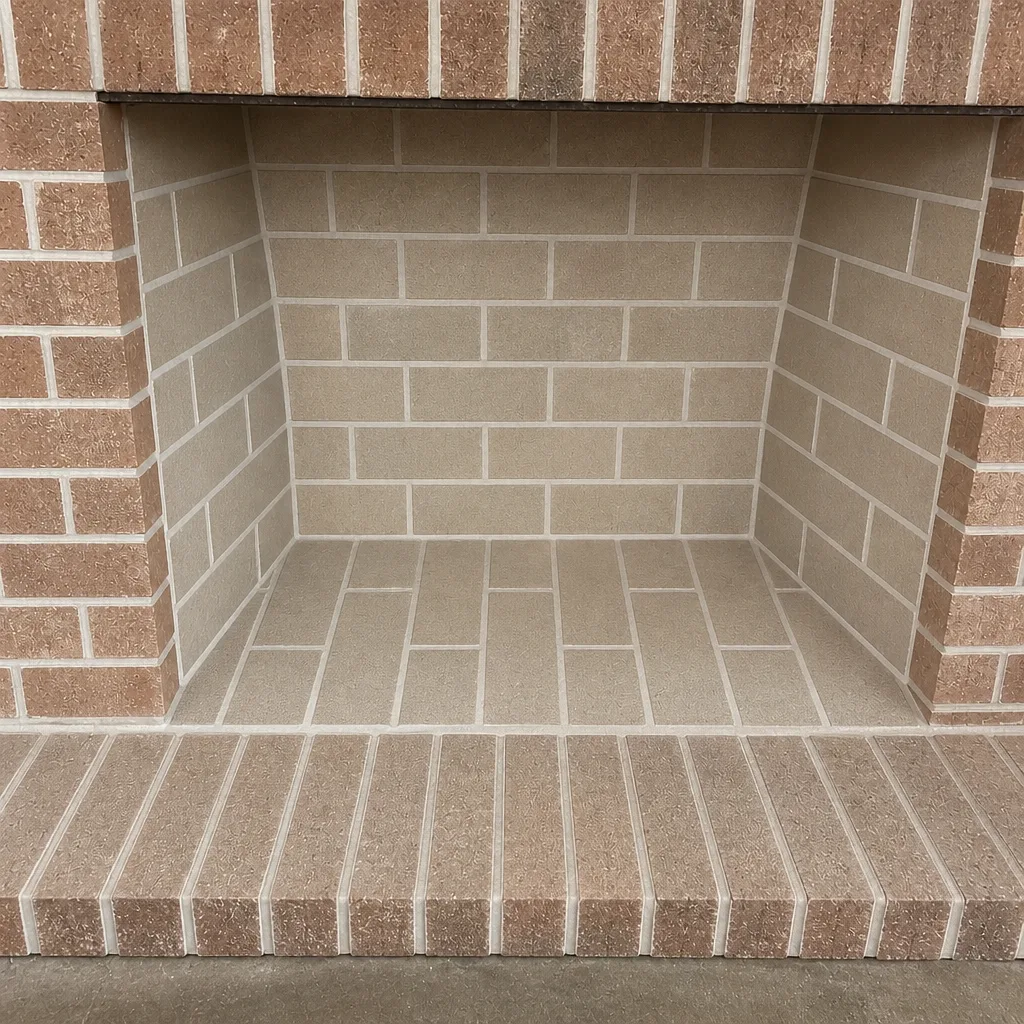 After
Frequently Asked Questions
For a fireplace used a few times a year, once annually before the season. For a wood-burning insert running through the winter, you may need cleaning more than once a year.
Yes. Gas logs and inserts don’t produce creosote, but the flue and venting still need annual inspection for safety and performance.
Yes. Storm wind damages caps, flashing and masonry whether the chimney was in use or not. A post-storm check protects you from water intrusion and blocked flues.
Only a camera inspection can tell. If a camera shows flaking or erosion, resurfacing with a system like HeatShield may be appropriate; if the liner itself is compromised, a DuraFlex reline may be the right fix.
Keep records of every sweep, inspection, and repair, plus post-storm findings and dates. That history shows the system was maintained and makes future inspections faster.
You can do the visual checklist, keep the log, and test alarms. Sweeping and inspecting the flue should be done by a trained professional. Creosote can be a real fire hazard and the structural components are easy to miss; a professional with a camera and the right tools is the safer route.
The Bottom Line
Stop scheduling your chimney by the calendar and start scheduling it by use, season and storm. That means a pre-season checklist every fall, a sweep interval set by the wood you actually burn, a post-storm inspection every time the weather turns rough, and structural checks on the crown, flashing and liner every few years. Keep a log and you’ll know your chimney’s history instead of guessing. Every task here serves the same goal: a safe system and no expensive surprises. When you want a specialist to do the inspection and handle anything found, Brandon Chimney Sweep covers sweep, inspection and repair under one company, with professional-grade materials. Call (866) 501-5479 for a free estimate. We answer 24/7. Fast dispatch from 7am to 7pm, Sunday through Friday.
Written by the team at Brandon Chimney Sweep.