
Last updated November 15, 2026
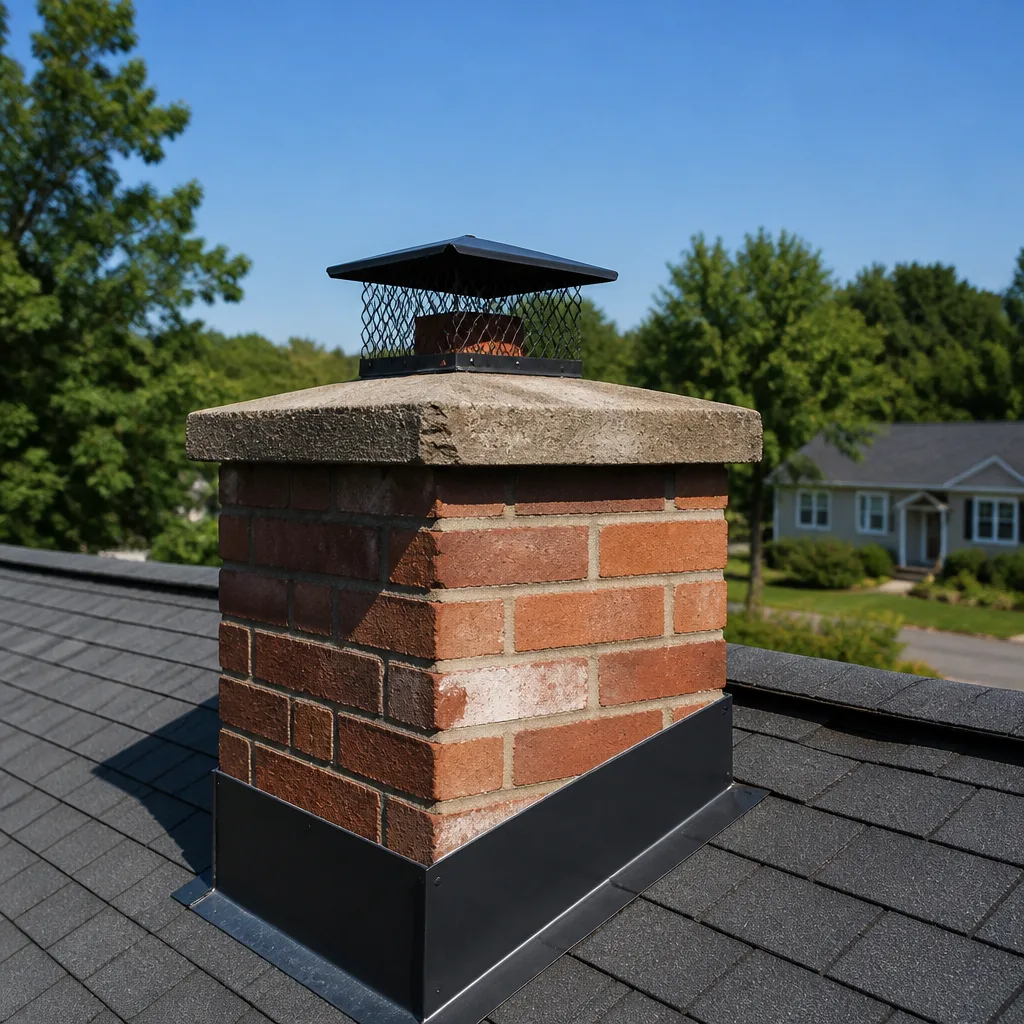 Sweep & inspection
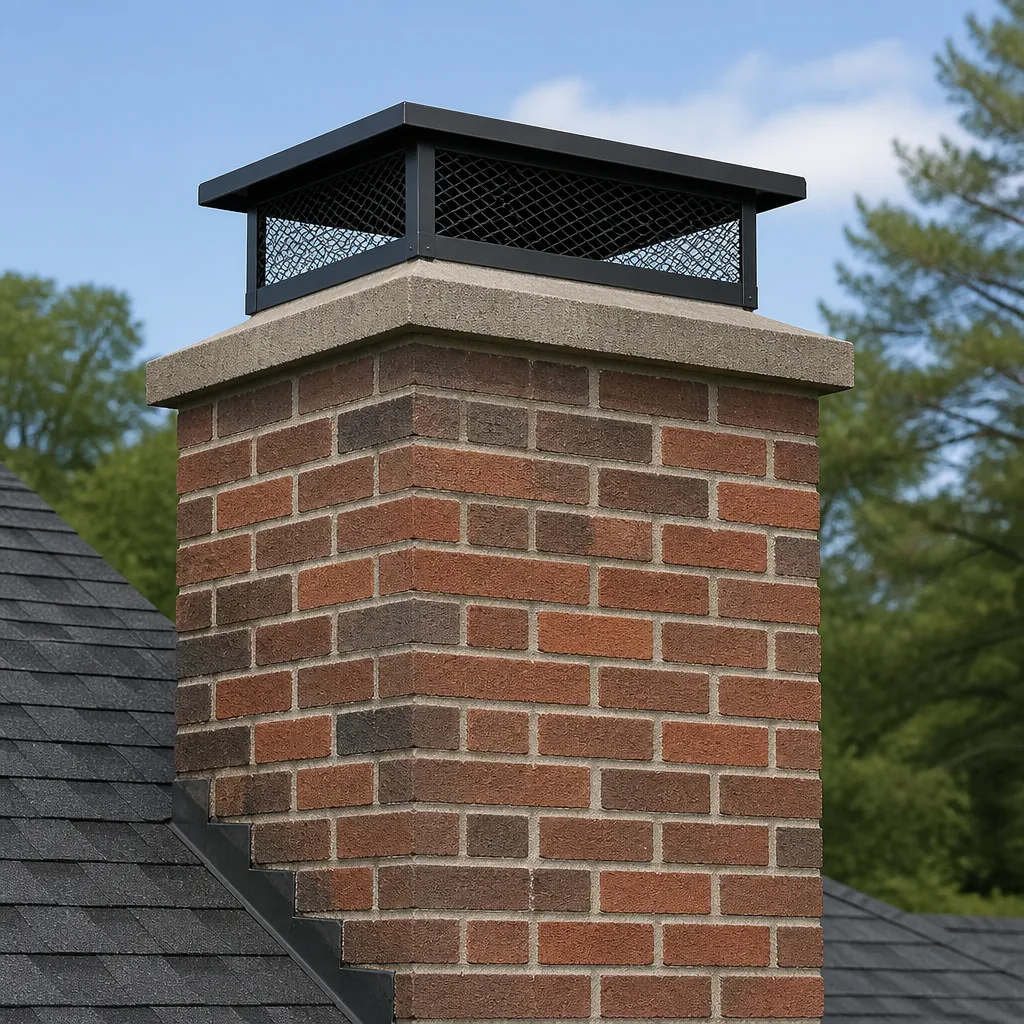 Caps & crowns
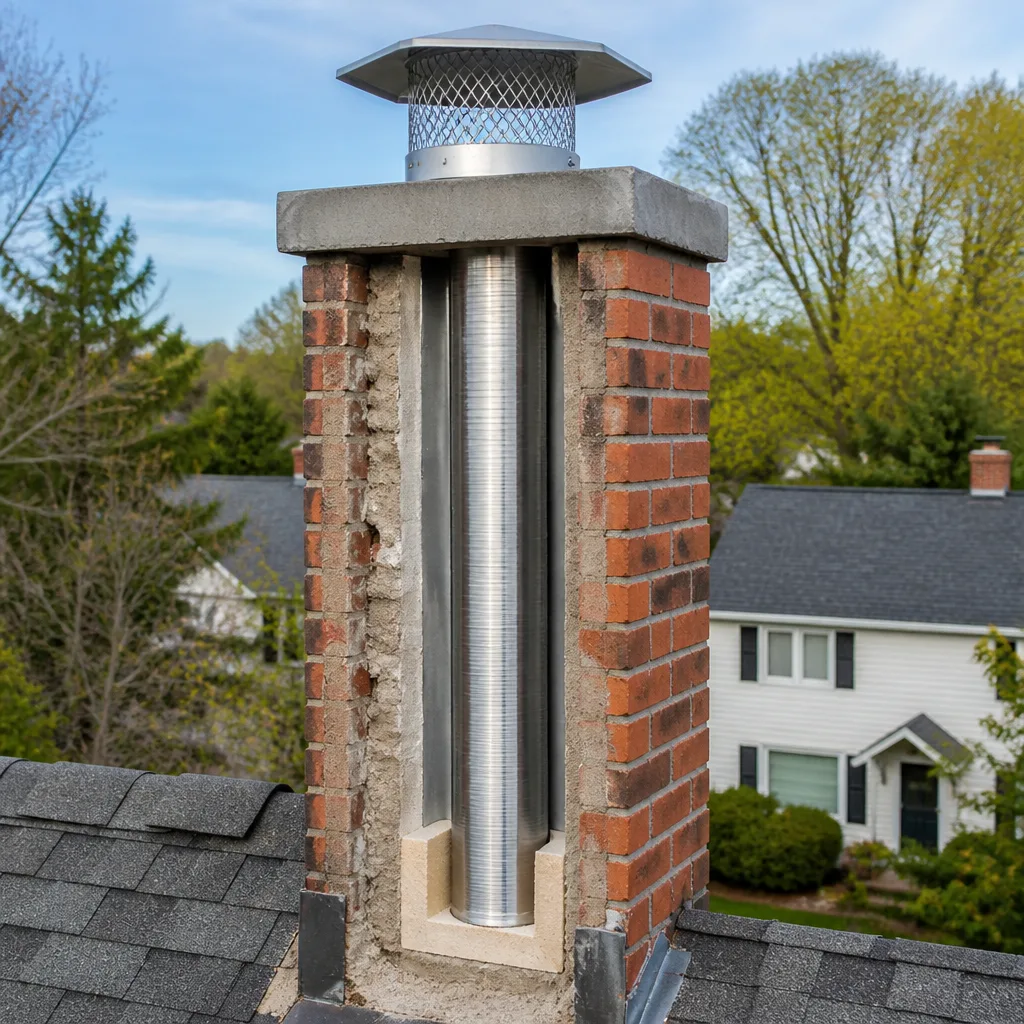 Flue relining
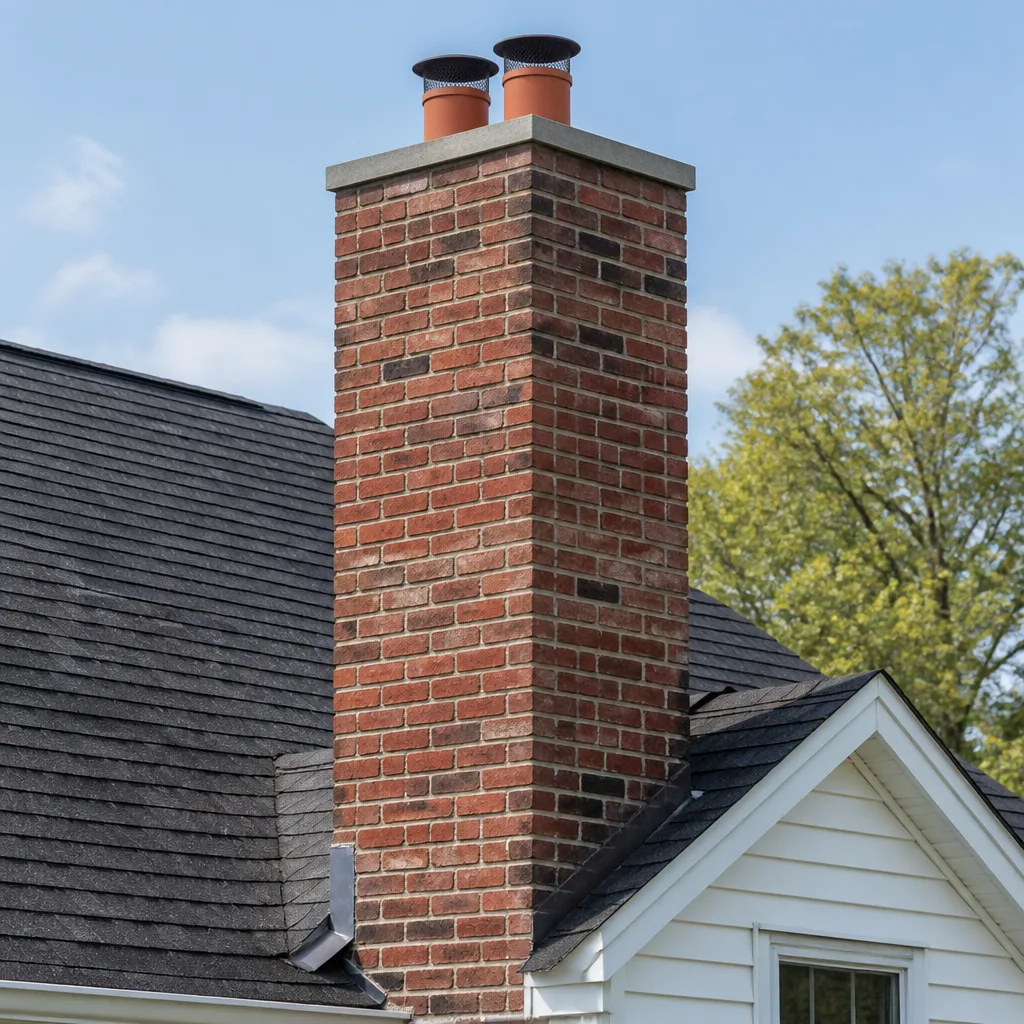 Masonry repair
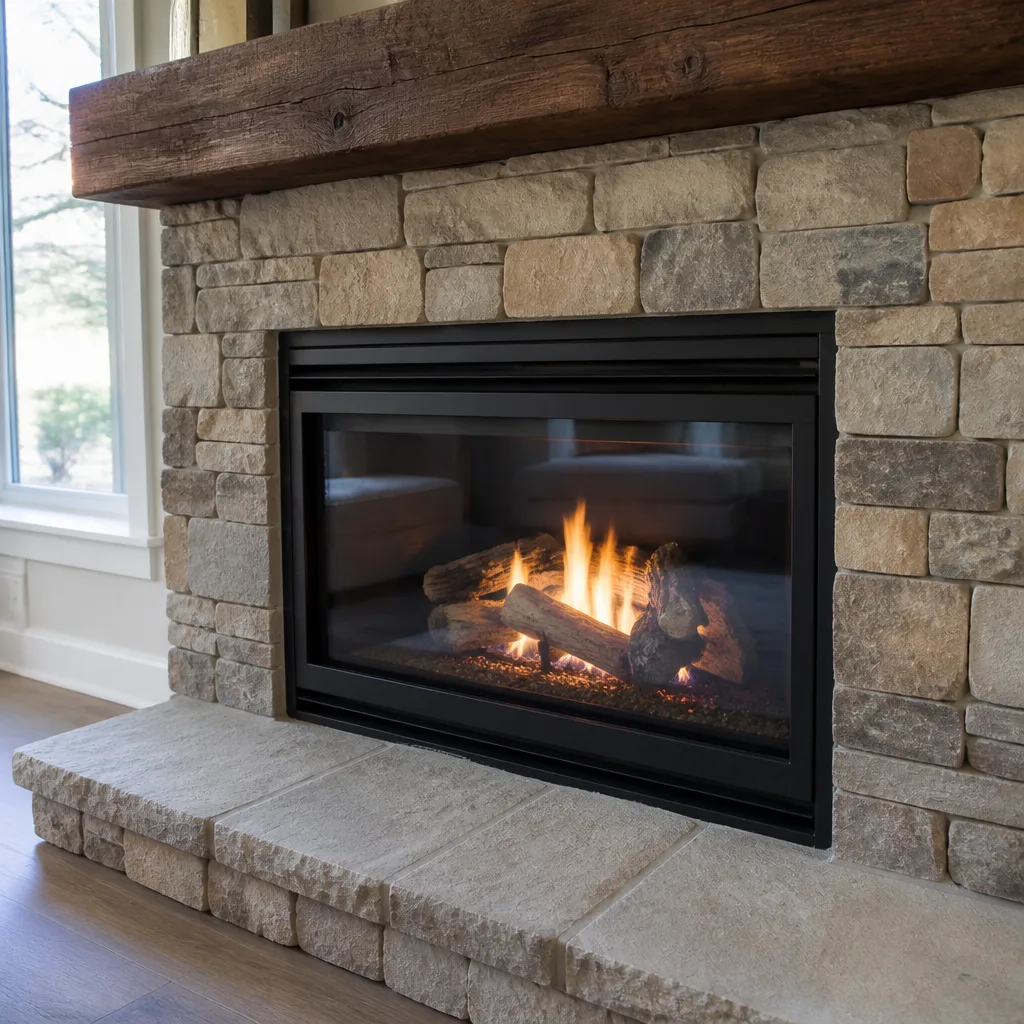 Gas fireplace service
Level 1 sweep and inspection to the NFPA 211 annual standard - flue, crown, cap, and flashing checked and photographed
Chimney sweep logs do not sweep chimneys. They loosen some creosote - which then falls where a brush and vacuum still have to collect it.
Choosing the Right Chimney Cleaning Brand: A Buyer’s Guide for Brandon
When a contractor says they’re applying a “chimney sealant” or using a “liner treatment,” the brand and formulation of that product determines whether it lasts two years or fifteen. And here’s the part nobody explains at the kitchen table: the difference between a professional-grade product and a hardware store substitute is completely invisible until it fails. By then you’ve paid twice. This guide is built to give Brandon homeowners a working frame of reference, so you can evaluate the materials behind a cleaning or restoration job the same way you’d evaluate the labor. You’ll learn the product categories that actually matter, the questions that separate specialists from generalists, and why Florida humidity raises the stakes on every sealer choice.
Quick Answer
The right chimney brand for your job is the one that matches a professional-grade product to your specific flue type, creosote condition, and moisture problem, then documents what was installed. In practice, that means chemical creosote treatments for heavy buildup, vapor-permeable waterproofing for masonry in Florida’s humid climate, purpose-built crown coatings and flashing components, and proprietary resurfacing systems like HeatShield when the flue itself is compromised. A contractor who can name the product and explain why it fits your chimney is usually working to chimney-industry standards. One who says “sealant” and leaves it there usually isn’t.
Styles & brands we work with
- Sweep & inspection
- Caps & crowns
- Flue relining
- Masonry repair
- Gas fireplace service
Table of Contents
- What product categories actually show up in a chimney job?
- What separates professional-grade products from retail versions?
- What should you ask a contractor about the products they use?
- Why does Florida humidity make waterproofing choices matter more?
- Which industry brands should a specialist know by name?
- How does product quality connect to warranty coverage?
- Why does one company covering sweep, inspection, and repair matter?
- What does this look like for a chimney in Brandon?
What product categories actually show up in a chimney job?
A chimney service isn’t one product applied once. It’s four or five different categories, each solving a different problem, and mixing them up is how homeowners end up with a “repair” that doesn’t hold. Here’s the breakdown we walk through with customers on a routine chimney sweep visit when something beyond creosote shows up.
- Chemical creosote treatments. Stage 2 and stage 3 creosote is glazed, tar-like, and stubborn. Chemical treatments soften the deposit so it can be removed without damaging the flue. This is not the same as a “soot remover” spray. It’s a chemical process with a dwell time.
- Crown coatings. The crown is the concrete cap at the top of the masonry chimney. A proper crown coating is flexible and UV-stable, so it moves with the masonry instead of cracking away from it.
- Waterproof sealers. Applied to exterior masonry to keep water out. The distinction between vapor-permeable and film-forming matters enormously in a humid climate, which we’ll get to.
- Liner repair compounds and resurfacing systems. When a clay flue has cracked or spalled, proprietary systems like HeatShield resurface the interior rather than requiring a full rebuild. These are applied by trained hands, not brushed on like paint.
- Flashing, caps, and chase covers. Purpose-built metal components from makers like Gelco and Famco, cut to the actual chimney rather than improvised from generic sheet goods.
Each category has its own professional tier and its own retail tier. The retail tier is fine for a shed. It’s not what belongs on a chimney your family’s safety depends on.
What separates professional-grade products from retail versions?
Walk into a hardware store and you’ll find something labeled “chimney sealer.” It exists. It’s legal to sell. It is also not the same product a chimney specialist uses, and the gap isn’t just price. Professional-specification products are formulated for the actual conditions inside and outside a flue: high heat cycling, acidic condensate, prolonged humidity, and UV exposure. Retail versions are often water-based acrylics designed for general masonry.
Three things separate the tiers:
- Heat and chemical resistance. A product meant for the firebox side of the chimney has to tolerate temperatures a decorative masonry wall never sees. Retail sealers usually don’t carry that rating.
- Application requirements. Professional products often require specific surface prep, moisture content limits, and cure windows. That’s a feature, not a bug. If a product can be slapped on anything in any condition, it’s a compromise.
- Documentation. Professional products come with technical data sheets, coverage rates, and manufacturer installation standards. That paper trail is what a warranty attaches to.
This is the part of the trade that generalist contractors miss. A handyman can buy a tube of sealant. Knowing that a specific flashing component from Famco is the right fit for a given chase cover, or that a HeatShield application requires a particular preparation sequence, comes from working in the chimney niche and knowing the product line. In our experience, that’s the difference between a fix and a delay.
It’s also why we specify from an industry roster rather than a general construction catalog. When we’re on a job, we’re choosing the product for the flue, not the flue to suit a product we happen to have.
What should you ask a contractor about the products they use?
You don’t need to become a product expert to hire well. You need four or five questions that a real specialist answers without hesitation. Ask these before you book, over the phone, and note the answers.
- “What product will you use for the waterproofing, and is it vapor-permeable or film-forming?” A specialist knows the difference and knows which one fits your masonry. “We use a good sealer” is not an answer.
- “If there’s cracked creosote, what chemical treatment do you use, and how long does it dwell?” Anyone applying a chemical creosote treatment knows the process has stages. A blank response means they were going to sweep and hope.
- “Can you resurface a cracked flue, or do you only reline?” Not every chimney needs a full reline. A specialist working with a resurfacing system line can offer a less invasive option when the condition allows it.
- “What brand of cap and flashing components do you use?” Names like Gelco, Famco, or Olympia Chimney signal trade-level sourcing. A shrug signals the parts aisle at a big-box store.
- “Will the product information and application be documented in my report?” Products without documentation can’t be backed. If the answer is vague, the warranty will be too.
What does a cutting-corners answer look like? It’s vague, it’s confident without specifics, and it dodges the “what product” question by talking about the “procedure.” A professional-grade answer names the product and explains why it fits your chimney’s condition. That’s the frame you’re building during the call, and it’s the same frame that lets you weed out a bid before anyone climbs on the roof.
Why does Florida humidity make waterproofing choices matter more?
Brandon sits in a climate where the air holds moisture most of the year, and masonry absorbs it. That single fact reshapes every sealer decision. A waterproof coating on a chimney isn’t optional here, but the wrong coating can be worse than none.
The distinction is vapor-permeable versus film-forming.
- Vapor-permeable sealers repel liquid water from outside while letting water vapor escape from inside the masonry. If some moisture has already gotten in, it can dry outward instead of being trapped.
- Film-forming sealers create a solid barrier. Applied correctly to a dry chimney, they work. Applied over masonry that’s already holding moisture, or that will draw moisture from the humid air and the interior flue, they trap that moisture against the surface. The result is spalling, popped mortar joints, and a coat of sealer peeling off in sheets.
In a climate like Brandon’s, moisture management is the whole game. That means the sealer has to be matched to the masonry’s current condition, not grabbed off a shelf. It also means a specialist checks for existing interior moisture before selecting a product. If a contractor shows up on a muggy afternoon and rolls on a film-forming coating without asking whether the chimney has had time to dry, you’ve learned something about how they work.
When the moisture problem has already caused damage, that’s when chimney repair moves from the “someday” list to the schedule. A crown coating applied over a compromised crown is a waste of money. The order matters: diagnose the moisture path, repair what failed, then seal with the right product.
Which industry brands should a specialist know by name?
You don’t need to memorize a catalog, but a handful of names come up repeatedly in professional chimney work. When a contractor can speak to them, it tells you the materials come from the niche, not from a general construction supply house.
- HeatShield. A proprietary resurfacing system for damaged flues, applied by trained hands. It’s a structural restoration product, not a coating. When a clay flue has cracked or spalled, a resurfacing application can often restore the interior without a full tear-out and reline.
- Gelco and Famco. Names that come up in caps, flashing, and chase cover components. These are purpose-built parts designed to fit a chimney, cut down on leak paths, and hold up to weather.
- Olympia Chimney. A known name in chimney liners and related components, often specified when a relining project calls for a proven system.
- DuraFlex. A liner system line used in full chimney relining work. When a flue is beyond resurfacing, a flexible liner system becomes the path forward.
The map here is simple. Different product lines solve different problems. Resurfacing is one path. Relining is another. Crown and flashing components are a third. A specialist works with more than one and knows when each applies. A generalist offers whichever they happen to stock, or whichever they can grab at the supplier that morning. The result is a chimney fitted to a contractor’s habit rather than to its own condition.
The point isn’t that you must demand these exact names. It’s that a contractor who can discuss them fluently, and who can explain why a given product fits your flue, is operating in the chimney trade rather than skimming jobs between other work.
How does product quality connect to warranty coverage?
A warranty is only as good as the paper behind it. Professional-grade products come with manufacturer documentation: data sheets, application standards, coverage information. That documentation is what a warranty is written against. If a contractor used a product with no specs and no standard, there’s nothing to back a claim, and the promise of a warranty becomes a promise against air.
What to look for in writing:
- The product name on the estimate. Not “sealer” or “coating,” but the actual product.
- The application method. Especially for resurfacing and waterproofing, the process is part of the product’s performance. The manufacturer’s standard should be reflected in how the job is described.
- What the warranty covers. Labor, material, or both. Which failures are excluded. How long, and under what conditions.
- The report itself. A sweep report from a specialist should note what was found, what was applied, and why. That becomes your record if anything goes wrong.
A contractor using professional materials will back the work with documentation without being asked. A contractor using retail substitutes will keep the details loose. That difference in paperwork, more than anything else, predicts what happens when something fails two seasons from now. It’s worth saying plainly: if a bid is low and the product list is vague, the savings is a bet against your own chimney.
We get asked whether a warranty is worth paying more for. The honest answer is that a warranty on the wrong product is worth nothing, so the first question is whether the product is right. Once it is, a documented warranty is the difference between a contractor standing behind the work and a phone call that goes unanswered.
Why does one company covering sweep, inspection, and repair matter?
Product quality and service continuity are connected in a way that surprises people. The common bad outcome isn’t a crooked contractor. It’s a good sweeper who finds a problem they can’t fix, and a homeowner who has to start the hiring process over with someone new, at a moment when they’re least equipped to judge the next bid.
When sweep, inspection, and repair live under one company, three things change:
- The diagnosis and the repair use the same set of eyes. Nothing gets lost between the person who found the crack and the person asked to fix it. There’s no second inspection, no re-explaining, and no drift in scope.
- The product decision follows the diagnosis directly. If the flue is a resurfacing candidate, that’s known at the inspection. If a reline is the right call, the liner system is chosen for the flue’s actual dimensions and condition, not for whatever’s on the truck.
- Accountability is undivided. When something goes wrong, there’s one company to call, one warranty to reference, and one record of what was applied. Splitting the work between a sweeper and a repair contractor splits the accountability with it.
That’s why we describe the work as Brandon Chimney Sweep covering the full arc rather than handing off. If we find a problem during an inspection, we can propose the fix with the right product already specified. You’re not left holding a report and a phone book. The benefit isn’t convenience for its own sake. It’s that the product, the diagnosis, and the warranty all stay connected to the same job from start to finish.
What does this look like for a chimney in Brandon?
Most chimneys in Brandon see modest use. Winters are mild, so a fireplace gets lit on the handful of cool evenings the season brings, and then sits idle for months. That pattern has a specific consequence: creosote forms slowly, then dries and hardens during the off-season, and the “one log on a chilly night” culture means buildup accumulates without the visual cues a hard-working northern chimney gives you. A sweep isn’t a luxury here. It’s a check on a system that mostly sits quietly between seasons.
The climate works on the exterior the same way. Brandon’s humidity pushes moisture into masonry year-round, which makes the waterproofing product the most consequential choice on many local jobs. Vapor-permeable sealers matter more here than in a dry climate. Crown coatings have to be UV-stable and flexible. Flashing and chase covers need to be purpose-built, because a chase cover improvised from a sheet of metal will fail at the seams when the rainy season runs.
Then there’s the housing stock. Some Brandon homes have older masonry chimneys with clay flues; others have prefab systems. Those need different products and different diagnoses. A resurfacing system makes sense for one and not the other. A flexible liner system is the answer in a different scenario. The product choice follows the system, and the system is different house to house. That’s why we ask what you burn and how often before recommending a product, and why a single “chimney sealant” answer tells you the contractor hasn’t asked.
One more local note: families in Brandon often use the fireplace as a focal point in a room that gets lived in year-round. The chimney is part of the house’s envelope, not an appliance in the yard. Water intrusion into chimney masonry shows up as a stain on the ceiling or a crumbling mortar joint on the exterior wall, and by the time it’s visible, the path has usually been open a while. The earlier a specialist sees it, the simpler the fix.
Common Mistakes to Avoid
- Treating “sealant” as a complete answer. If a contractor can’t name the product and say why it fits your masonry, you don’t know what’s going on your chimney. That’s not a small gap. The product choice is the job.
- Assuming a general contractor can handle chimney products. General construction suppliers don’t carry the resurfacing systems, purpose-built flashing, or liner components a chimney job requires. A specialist sources from the chimney trade for a reason.
- Skipping waterproofing because the chimney “looks fine.” In Brandon’s humidity, masonry absorbs moisture invisibly. By the time it’s visible, the damage has a head start. A waterproof coating is preventive work, not a sign of a failing chimney.
- Hiring a sweeper and a repair contractor separately. It doubles the diagnosis, splits the warranty, and creates a gap where the problem can get lost between two companies who never talk to each other. One specialist covering sweep, inspection, and repair keeps the chain intact.
- Buying a retail sealer and applying it yourself. The retail product is not the professional product, and application conditions (surface prep, moisture content, cure time) matter more than most homeowners realize. The wrong application traps moisture and can make things worse.
- Not asking what’s documented. A warranty on an unspecified product is a promise without a floor under it. Ask for the product name and the coverage terms in writing.
- Assuming a full reline is the only fix for a cracked flue. When the condition allows, a resurfacing system can restore the flue without a tear-out. The right answer depends on the diagnosis, and the diagnosis should come before the recommendation.
See the difference
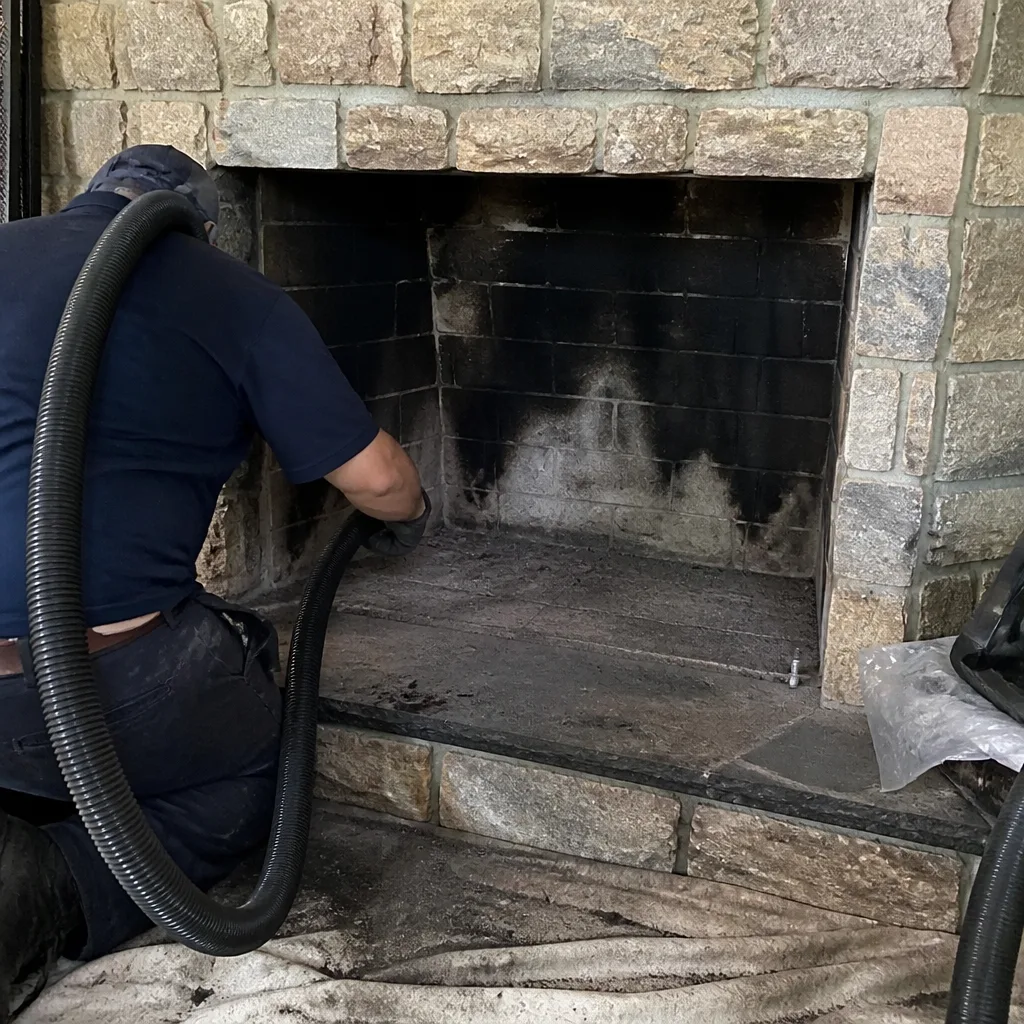 Before
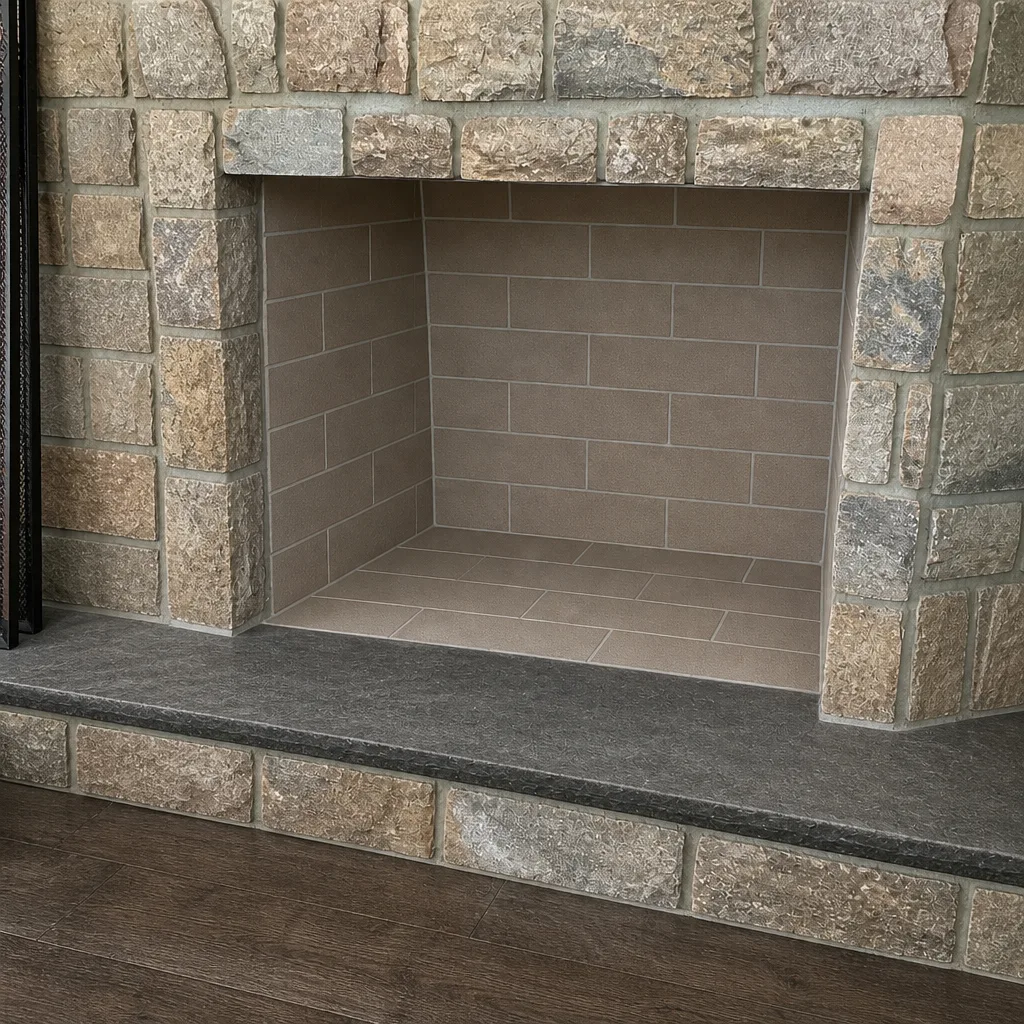 After
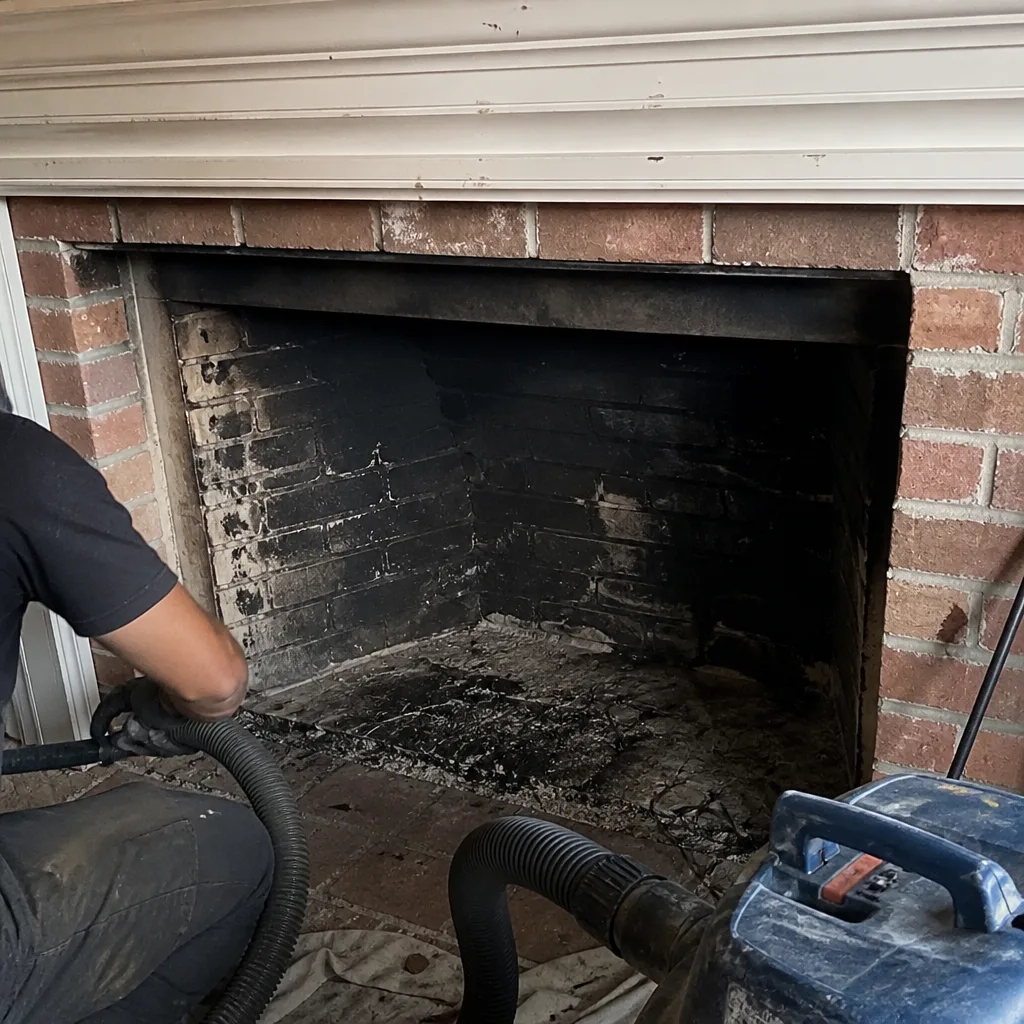 Before
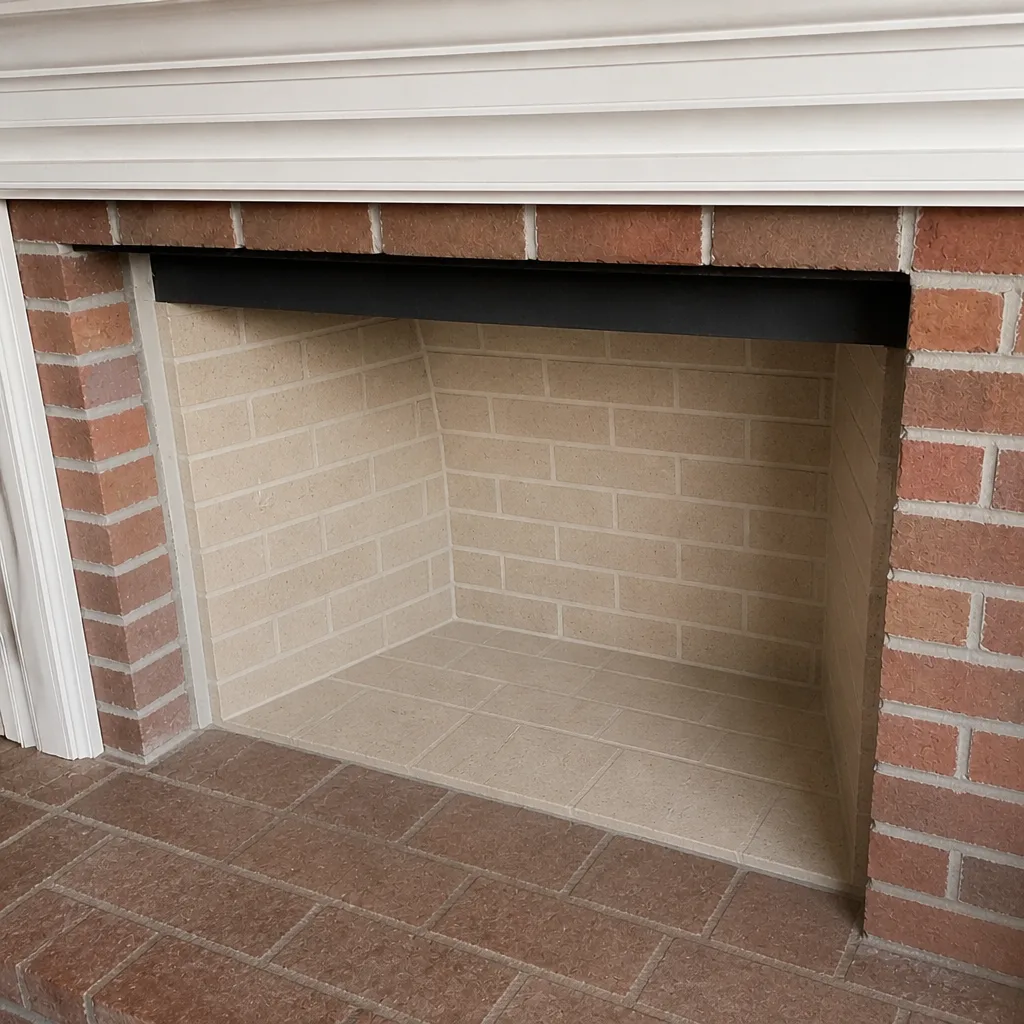 After
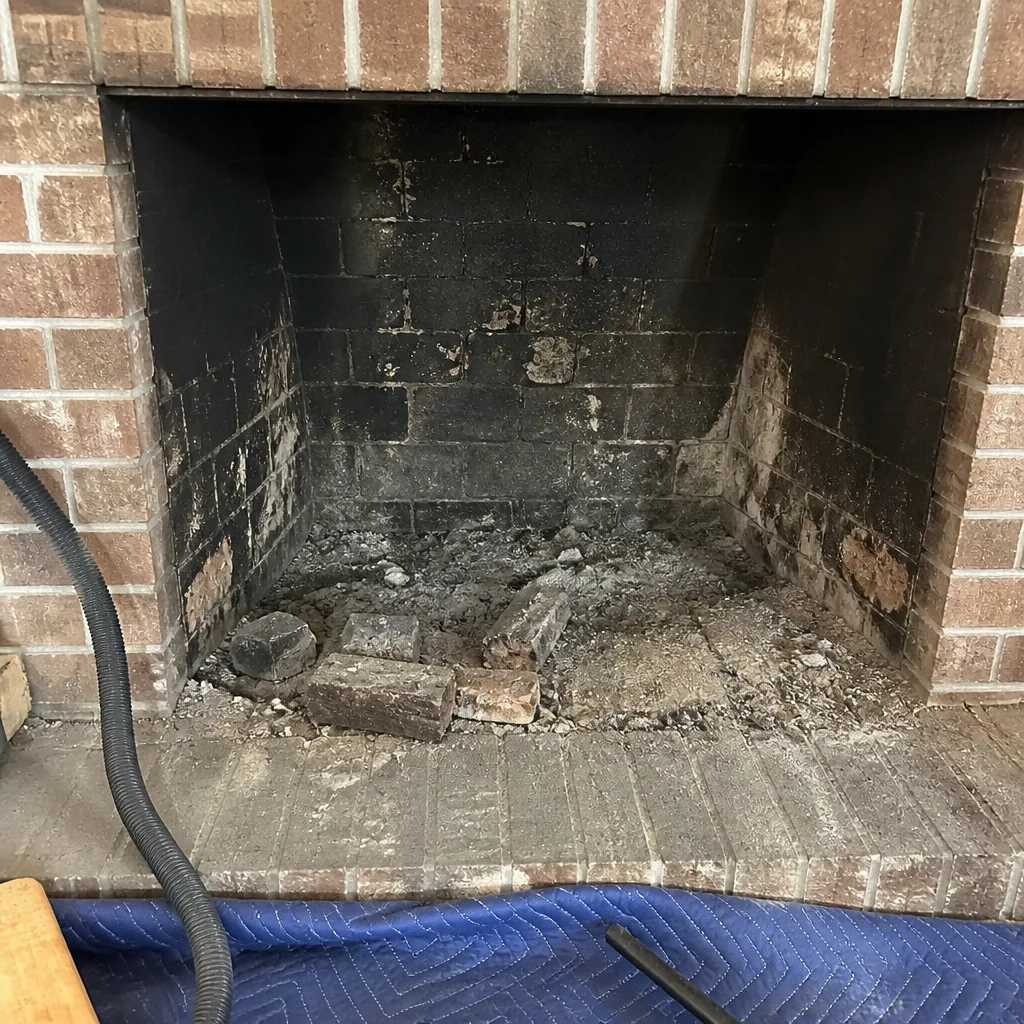 Before
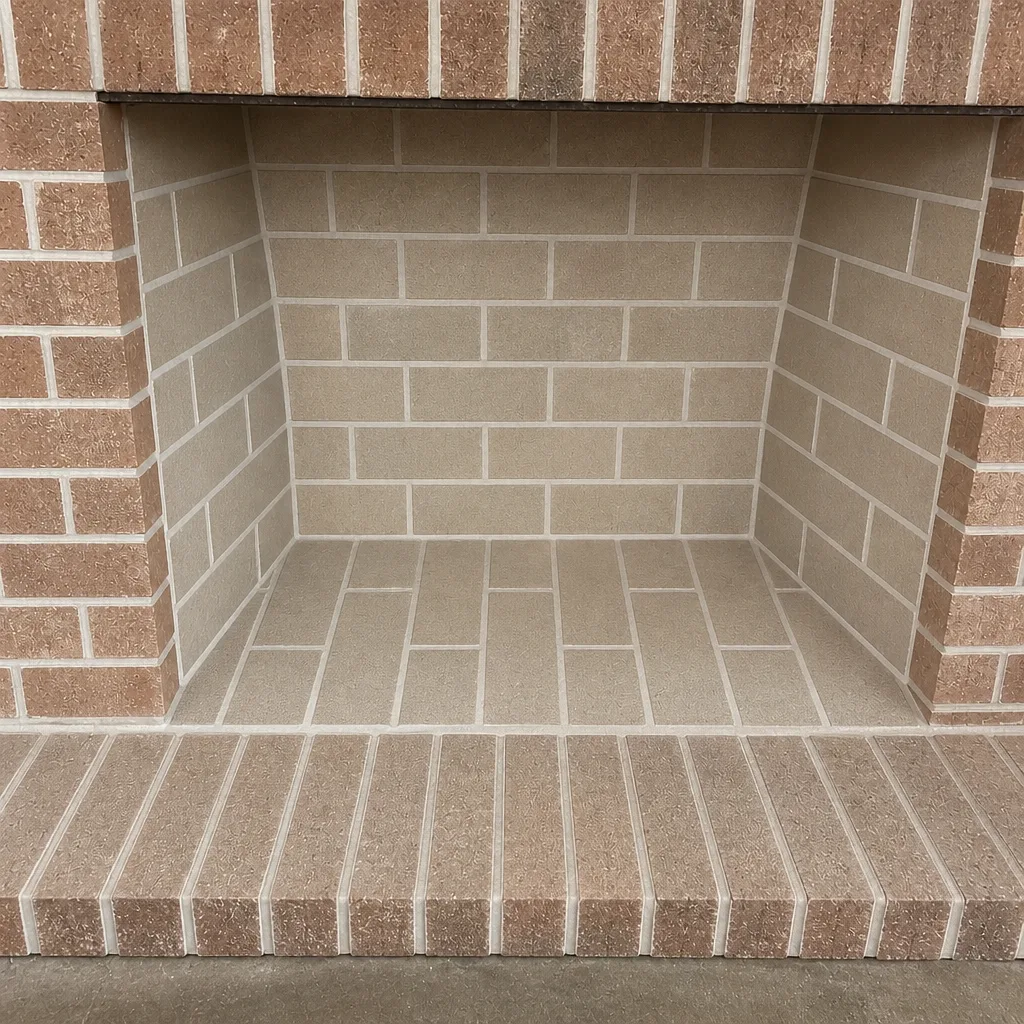 After
When to Call a Professional
Some chimney conditions call for a specialist, not a purchase at the hardware store. Call us when you see any of the following: a cracked or spalling flue interior that a camera inspection reveals; water staining on the ceiling near the chimney or white mineral deposits on exterior masonry; a crown that’s cracked, missing chunks, or separating from the stack; rusted or improvised flashing; a cap that’s loose, missing, or held together with hardware-store caulk; or a strong, persistent odor from the chimney in warm months, which often points to moisture and organic growth rather than soot. Heavy, glazed creosote also warrants a professional sweep, since stage 3 deposits don’t come off with a brush.
Brandon Chimney Sweep offers free estimates in Brandon. Call (866) 501-5479. We answer 24/7. Fast dispatch from 7am to 7pm, Sunday through Friday.
Frequently Asked Questions
Look for professional chimney-industry brands rather than general construction products. Names like HeatShield for flue resurfacing, Gelco and Famco for caps and flashing components, and DuraFlex or Olympia Chimney for liner systems signal a contractor sourcing from the chimney trade. When you ask what products they plan to use, a specialist gives you the brand and explains why it fits your chimney’s condition. If the answer is “sealant” with no name attached, ask again before you book.
Yes, more than in most climates. Brandon’s humidity means a film-forming sealer applied over masonry that’s holding moisture can trap it and cause spalling or peeling, while a vapor-permeable sealer lets the masonry dry outward. The right choice depends on the condition of your chimney at the time of application. A specialist checks for interior moisture and selects the product to match. Call (866) 501-5479 for an exact quote. Estimates are free.
HeatShield is a proprietary chimney resurfacing system, applied by trained hands to restore the interior of a damaged flue. It’s used when a clay flue has cracked or spalled but the chimney’s structure is still sound, so a full tear-out and reline isn’t necessary. Whether you need it depends on what a camera inspection shows. The diagnosis comes first, and the product choice follows from it. We can walk you through that on an estimate.
Ask four questions: what sealer they use and whether it’s vapor-permeable; what chemical treatment they’d apply to heavy creosote and how long it dwells; whether they can resurface a cracked flue or only reline it; and what brand of cap and flashing they use. A specialist answers each with specifics and explains why the product fits your chimney. A vague, confident answer that dodges the product question is the signal you’re looking for.
Because it keeps the diagnosis, product choice, and warranty connected. When a sweeper finds a problem and a separate contractor does the repair, the scope can drift, the product decision gets made secondhand, and the warranty is split between two parties. One specialist covering the full arc means the same person who found the problem specifies the fix and stands behind it. That’s how we handle chimney work in Brandon, from inspection camera to finished repair.
Retail sealers are generally general-purpose masonry products, not the professional-specification formulations used in chimney work. Application conditions matter: surface prep, moisture content, and cure time all affect whether a sealer helps or traps moisture against the masonry. In a humid climate like Brandon’s, applying a film-forming sealer over a damp chimney can cause more damage than leaving it bare. A professional-grade product applied correctly is the safer path.
The rule of thumb is an annual inspection, and a sweep when the inspection shows enough buildup to warrant it. A lightly used chimney in Brandon’s mild winters may need a sweep less often than a heavily used one, but it still needs the yearly inspection, because moisture damage and flue deterioration don’t announce themselves. The inspection is the schedule-setter. If you’ve never had one, that’s the first call.
The Bottom Line
Choosing the right chimney brand isn’t about brand loyalty. It’s about matching a professional-grade product to your chimney’s actual condition: chemical treatments for the creosote you have, vapor-permeable waterproofing for Florida’s humidity, purpose-built crown and flashing components, and a resurfacing or liner system chosen to fit the flue rather than the contractor’s habit. Ask what product they’re using and why. Ask for it in writing. Then ask whether the same company can do the repair, so the diagnosis and the warranty stay connected. In Brandon, that conversation is where the quality of a chimney job is actually decided, long before anyone climbs the roof. If you’d like to have that conversation with a specialist who works from the chimney-industry roster, call (866) 501-5479 for a free estimate. We answer 24/7. Fast dispatch from 7am to 7pm, Sunday through Friday. The estimate is free and the price is set per job by the written estimate.
Written by the team at Brandon Chimney Sweep.