
Last updated November 15, 2026
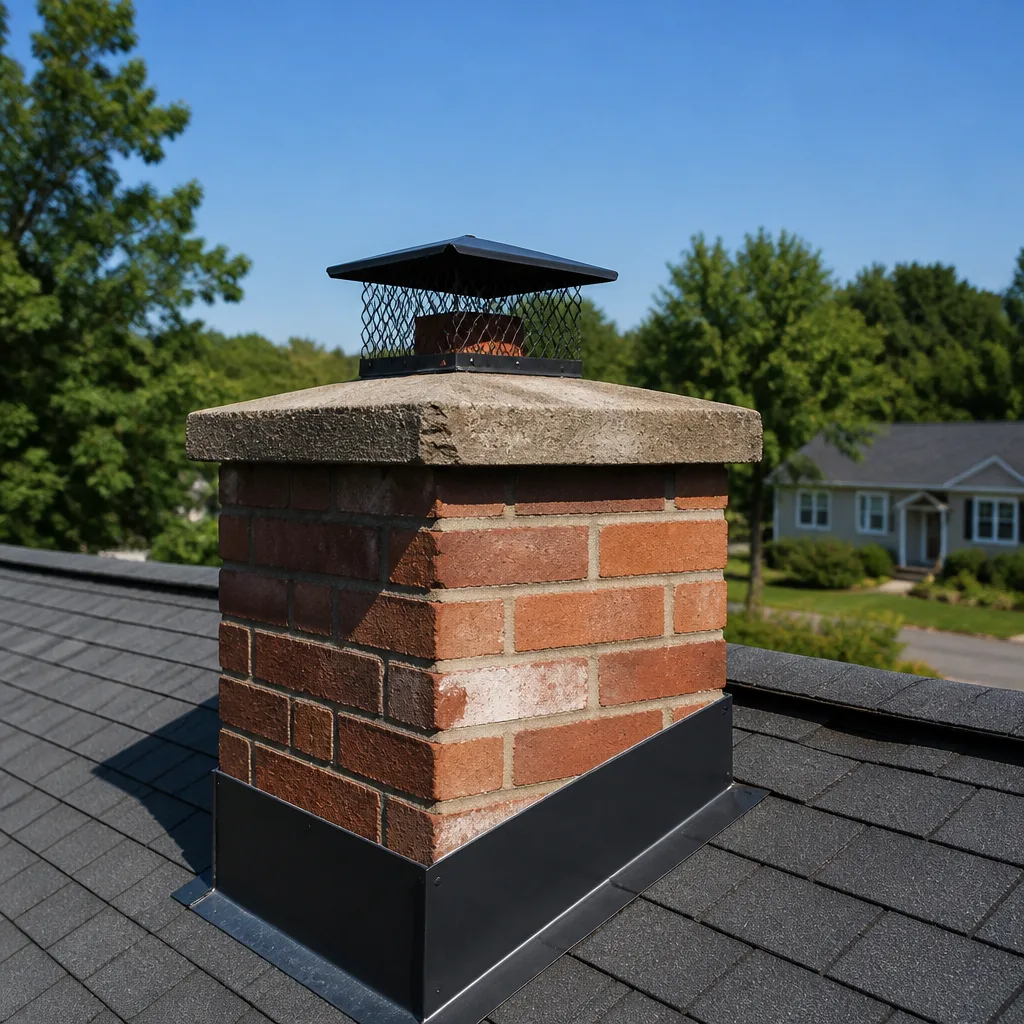 Sweep & inspection
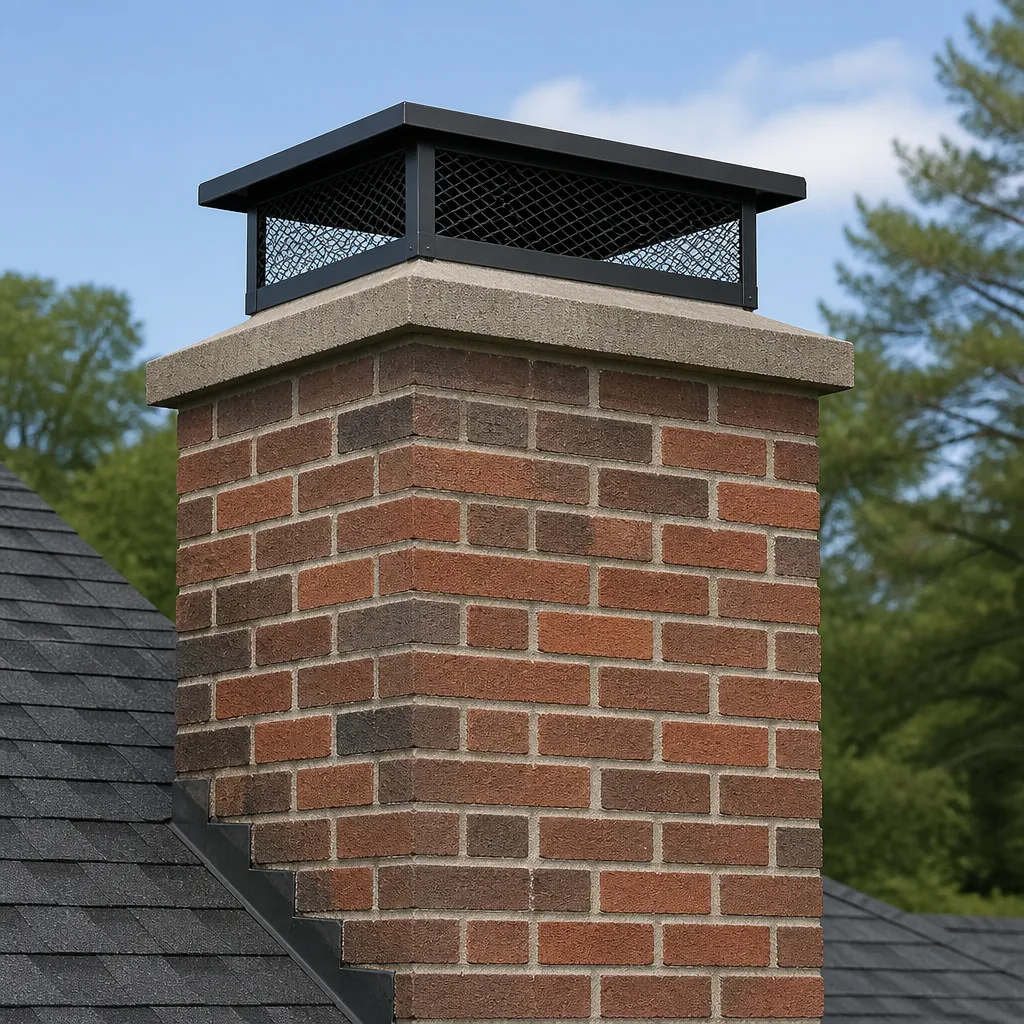 Caps & crowns
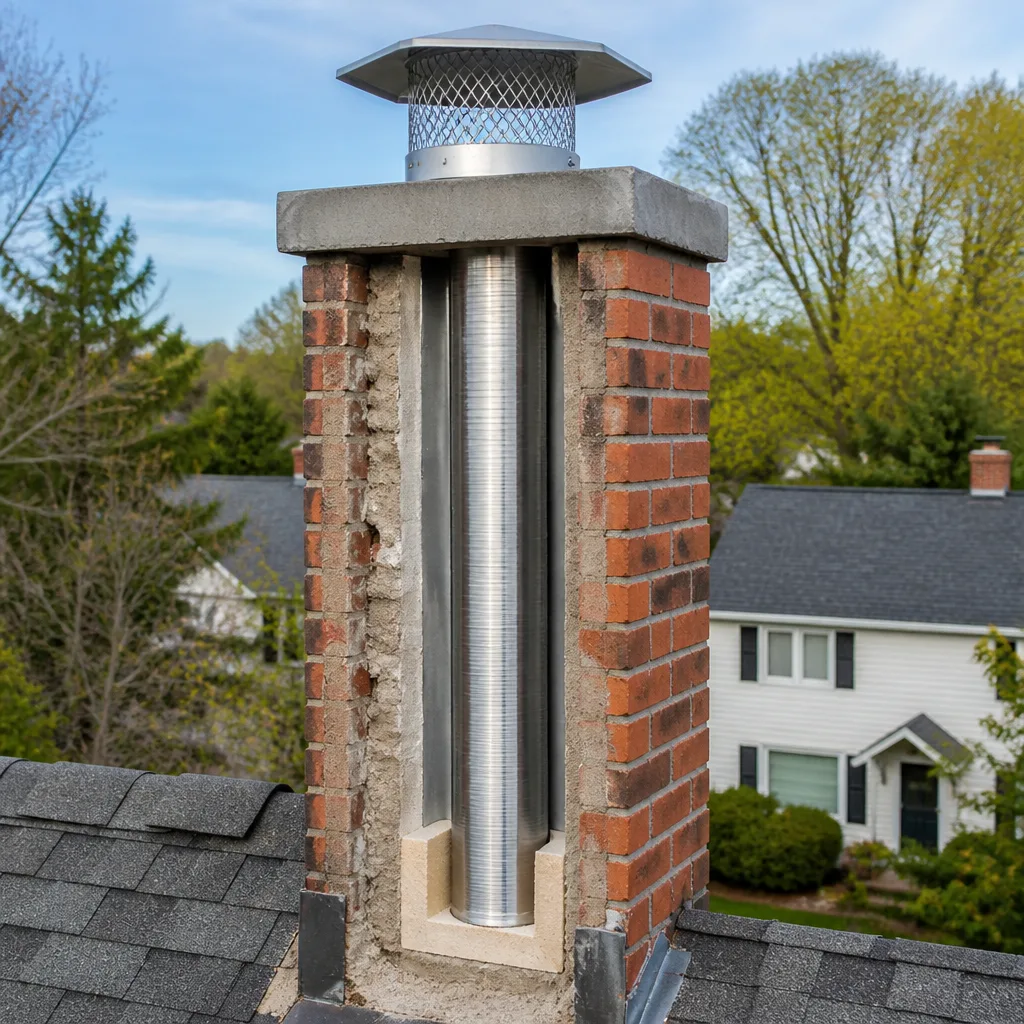 Flue relining
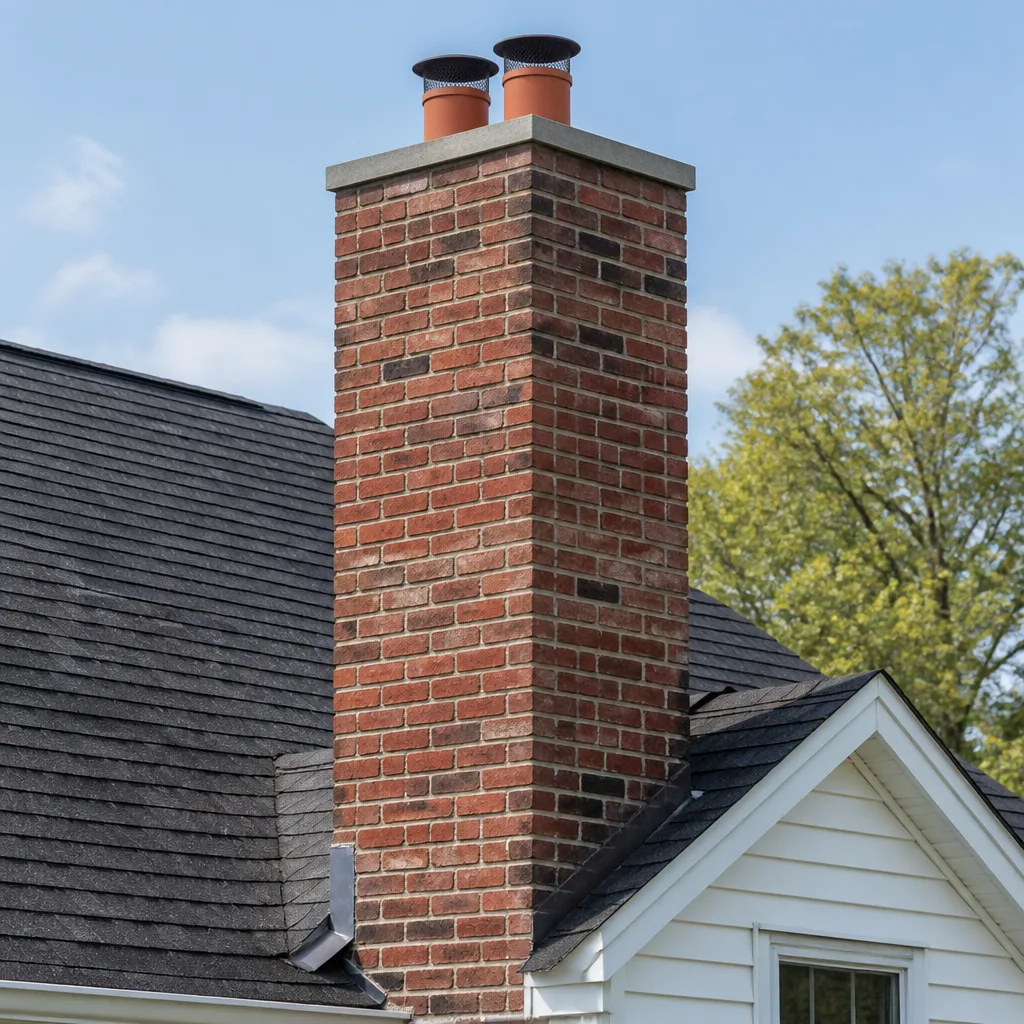 Masonry repair
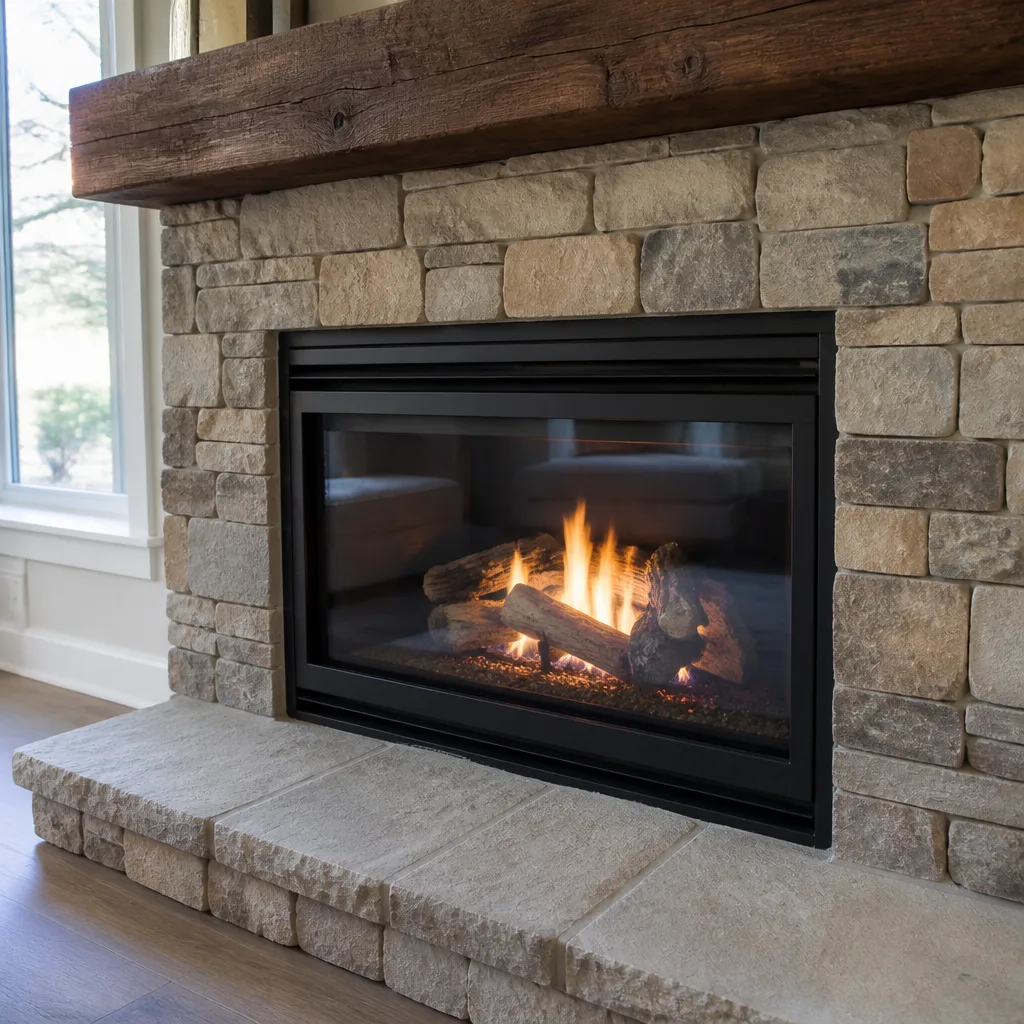 Gas fireplace service
Level 1 sweep and inspection to the NFPA 211 annual standard - flue, crown, cap, and flashing checked and photographed
Chimney sweep logs do not sweep chimneys. They loosen some creosote - which then falls where a brush and vacuum still have to collect it.
Chimney Sweep Maintenance Checklist for Brandon Homeowners
Most chimney maintenance checklists are written for cold-climate houses. They obsess over creosote and freeze damage and skip the two things that actually degrade a chimney in Brandon: moisture that never gets a chance to dry out, and long idle months when nothing moves through the flue at all. Our humid summers, the tropical storm debris that lands on caps and roofs, and the biological growth that takes hold inside a flue during the rainy season are the local threats the national checklists miss. This guide walks you through a checklist built for Brandon conditions, from what you can check yourself to what needs a camera and trained eyes.
Quick Answer
A Brandon homeowner with an active fireplace should get a professional chimney inspection and sweep once a year, ideally before the first cool-weather burn, and should check the flue for moisture and organic growth after the rainy season. Between professional visits, the homeowner’s job is to keep water out, keep animals out, and clean the firebox, cap, and firebox floor so problems don’t sit unnoticed for months. The checklist below is sequenced that way on purpose: inspect, clean, then repair, never in reverse.
Styles & brands we work with
- Sweep & inspection
- Caps & crowns
- Flue relining
- Masonry repair
- Gas fireplace service
Table of Contents
- Why General Chimney Checklists Fail in Brandon
- The Missing Item: Organic Growth Inside the Flue
- Pre-Season Checklist for Brandon Homeowners
- Post-Season Tasks That Matter in a Subtropical Climate
- Inspection, Cleaning, and Repair: The Correct Sequence
- What You Can Check Yourself vs. What Needs a Camera
- How Often Brandon Homeowners Actually Need a Professional Sweep
- Common Mistakes to Avoid
- When to Call a Professional
- Frequently Asked Questions
Why General Chimney Checklists Fail in Brandon
National chimney checklists are built around a climate where a chimney is in near-constant use from fall through spring and the ground freezes and thaws. That is not the chimney’s life in Brandon. Your flue may sit dormant for months at a time, then get a burst of heavy use during a short cool season, then sit again through a long, wet summer. Each of those transitions stresses the system in a different way, and a generic checklist catches almost none of them.
The bigger local threat is moisture. A chimney in a hot, humid climate is a chimney that stays damp for weeks after a storm, and any small pathway for water – a failed cap, a cracked crown, a flashing gap, a hairline crack in the masonry – becomes a permanent moisture channel. Water in masonry is a slow process. It doesn’t announce itself. It erodes mortar, spalls brick, and degrades the liner from the outside in while the firebox still looks fine. That is why so many chimney problems in Brandon get found at the point where the damage is already structural.
Then there’s the quiet season. A chimney that stays humid and unused is the ideal environment for biological growth and animal nesting. The fireplace that’s been closed up since February becomes a habitat by June. That’s not a national problem, so it’s not on a national checklist.
- Cold-climate focus: national checklists assume freeze damage and heavy, all-winter use. Your season is short and intense, not long and steady.
- Humidity and rain: the damage in Brandon happens from moisture and storms, not ice.
- Long dormancy: months of no fire invite animals and organic growth that cold-climate lists don’t address.
- Storm debris: the tree cover and the storm season both drop material on caps and near the chimney, and none of it is on a national list.
The Missing Item: Organic Growth Inside the Flue
The number one item missing from nearly every chimney maintenance checklist is checking for organic growth inside the flue after the rainy season. Moss, algae, and lichen can take hold on the damp inner surfaces of a chimney, and they trap moisture against the liner in a way that accelerates deterioration silently. There is no smell, no visible smoke problem, and nothing you’d notice from the living room. That is exactly why it goes unseen.
In our experience, this shows up in Brandon chimneys that go unused through the wet months and then get inspected in the fall. The growth may be in the firebox, in the smoke chamber, or higher in the flue where only a camera can see it. Moisture held against a clay tile liner can lead to spalling, cracking, and eventually a breach that lets combustion products into the house. It’s a problem that’s cheap to address early and expensive to address late.
What needs to happen:
- A camera inspection after the rainy season. The upper flue, the smoke chamber, and the firebox need to be looked at, not just the firebox floor.
- Biological growth removed during the sweep. The surfaces need to be cleaned, not just brushed top-down.
- Moisture source corrected. If the cap is failing, the crown is cracked, or the flashing has opened up, growth will return. The fix is the water source, not the growth.
- Liner condition confirmed. Any deterioration that has already started needs to be evaluated for repair or resurfacing.
If the inspection finds a degraded flue, a resurfacing system like HeatShield is often the right answer because it restores the inside of the flue without a full tear-out. That’s beyond basic sweeping. It’s structural work, and it takes trained application.
Pre-Season Checklist for Brandon Homeowners
Your pre-season work happens before the first cool-weather burn, and it’s about making sure the chimney is ready for the load it’s about to take. In Brandon, that checklist should also clean up whatever the storm season left behind.
Pre-season items, in order:
- Inspect the cap and chase cover. Anything that’s bent, missing, or loose from wind is allowing rain in. Famco and Gelco caps and chase covers are purpose-built to seal this correctly, and they’re the product category to look for.
- Clear post-storm debris. Twigs, leaves, and storm-blown material collect on the chimney top and around the flashing. Debris doesn’t go away on its own.
- Check the firebox for standing water. Standing water in the firebox is a real warning sign, not a minor annoyance. It means water is getting past a failed cap, a cracked crown, or damaged flashing, and it can also mean the chimney’s masonry is pulling moisture in directly.
- Look for animal nesting. A chimney that’s been closed up for months is a classic nesting site. Birds, squirrels, and other animals find their way in, and the nesting material blocks the flue. If you suspect it, don’t burn before it’s cleared.
- Confirm the damper opens and closes freely. A stuck damper changes how the chimney drafts.
- Look up at the flue by flashlight. Any visible organic growth or obvious liner damage means the chimney needs an inspection before you use it.
- Book a professional chimney inspection. The inspection catches what you can’t see. A sweep is usually done at the same appointment if it’s due, or the inspection will confirm whether you can wait.
One point that matters here: a sweep is not the same as an inspection, and the pre-season visit should be an inspection. You want to know the condition of the whole system before the heating season, not just that the flue is clear of soot. That’s the reason we schedule the inspection first and the chimney sweep second.
Post-Season Tasks That Matter in a Subtropical Climate
After your last fire of the season, do the part of chimney maintenance that protects the chimney while it sits dormant. In a cold climate, the off-season chore is mostly checking for winter damage. In Brandon, it’s about keeping moisture and biology out of a chimney that’s about to be unused for months.
Post-season items:
- Clean the firebox. Ash holds moisture and can raise the humidity in the firebox floor. Vacuum and clear it, and don’t leave a pile of ash sitting for the whole season.
- Treat for biological growth. If anything has started to grow on the firebox walls or other damp surfaces, have it removed and treat the cause. Growth left in place only spreads.
- Restore the moisture barrier. This means the cap and the top of the chimney. Anything that lets rain in during the wet season needs fixing before the rain starts, not after. This is where a correctly specced cap or chase cover earns its keep.
- Check the flashing. The metal or seal at the roofline is the most common entry point for water. Gelco and Copperfield components are built for this job specifically, not adapted from general roofing hardware.
- Look for a crown crack. The crown at the top of the chimney is a narrow mortar cap that keeps water out of the masonry below. A crack in it is a slow leak into the whole structure.
- Close it up properly. Once the season’s done, the chimney should be sealed against animals and weather so nothing takes up residence during the off months.
Doing this in the spring is easier than doing it in the fall because you’re working with the damage fresh in mind, and the chimney gets months of dry time to recover instead of a few weeks.
Inspection, Cleaning, and Repair: The Correct Sequence
The order matters. The correct sequence is inspection, then cleaning, then repair, and doing them out of order creates real problems. It’s also the number one way homeowners end up paying for work they don’t need.
- Inspection first. A trained technician looks at the flue with a camera, checks the firebox, smoke chamber, and top of the chimney, and documents the condition with photos. The inspection tells you what needs to happen, and the photo report lets you see it for yourself. Nothing gets recommended without camera evidence you can review.
- Cleaning second. The sweep happens after the inspection because cleaning a flue with a visible liner problem, before anyone has looked at it, can knock loose material and make a small issue into a bigger one. Once the inspection confirms the flue is sound, the sweep proceeds.
- Repair third. Repairs come last because repairs should be based on what the inspection found, not on what was convenient to fix while the technician was already up there. This is also the point where you should get a written estimate for the work.
Plenty of sweeps work in a different order: they sweep, then look, then bring in someone else for the repair. That’s the pain point most homeowners describe, and the reason we handle all three under one company. The person who inspects is the person who cleans, and if a repair is needed, that’s handled too. You’re not handed off to a second company that has to re-evaluate the chimney from scratch. That’s also what allows us to specify the right product for the flue system rather than settling for what’s available.
What You Can Check Yourself vs. What Needs a Camera
Some of this checklist belongs in your hands. Some of it doesn’t. Knowing the difference protects you from both overconfidence and unnecessary call-outs.
What you can check yourself:
- The cap and chase cover, from the ground with binoculars or through a window, for visible damage or debris
- The firebox floor for standing water or dampness
- The damper for free movement
- The firebox for animal nesting or visible growth
- The smoke and draft of the first burn of the season
- The firebox and surrounding walls for stains that could indicate a moisture path
What requires a camera and trained eyes:
- The upper flue, the smoke chamber, and the area behind the damper
- Hairline cracks in the liner that aren’t visible from below
- Early organic growth that hasn’t spread to where you can see it
- The condition of the masonry from the top of the chimney
- The crown, flashing, and roofline condition in detail
If you look up the flue and see a dark, wet-looking surface, that’s a sign of a problem, but a clean-looking flue is not the same as a sound flue. Camera inspection is what actually tells you the condition of the system. The photo report is the part you can verify yourself, and that’s the point. Nothing gets recommended on a homeowner’s word alone.
How Often Brandon Homeowners Actually Need a Professional Sweep
Once a year is the standard answer, and for many Brandon homeowners it’s the right one, but the real answer depends on how you use the fireplace and what’s actually happening in your flue. The reasoning behind the annual number is that a chimney needs its condition confirmed before the heating season, and that confirmation only comes from a camera inspection. A sweep and an inspection come as a matched pair, and the inspection is what tells you whether the sweep is due at all.
What changes the frequency:
- Burning season length. A fireplace used heavily through the cool season builds more soot and creosote per year than one used lightly. More use means more frequent cleaning.
- Firewood quality. Seasoned wood burns cleaner than wet wood. Unseasoned wood produces more smoke and more deposits.
- Dormancy. A chimney that sits unused for long stretches is more prone to growth and animals, so the inspection becomes more important, not less.
- Storm exposure. A season with heavy storms is a season to check the cap, crown, and flashing, regardless of your burning schedule.
- Age of the liner. Older liners need closer attention than liners that are in good shape.
If you’re not sure whether a sweep is due, the inspection answers that for you. If the flue is clean and the system is sound, we say so and you can wait. If it’s not, you get a photo report and a written estimate. The point of the visit isn’t to find work. It’s to tell you the truth about the chimney, and to say plainly when the work can safely wait. That’s the whole reason we include camera inspection and a photo report on every visit.
For scheduling around the seasons, the fall is the obvious time because that’s when the system is about to go into service. Spring is just as useful because it lets you fix the moisture issues before the rainy months hit.
Common Mistakes to Avoid
- Sweeping before inspecting. Running a brush through a flue before anyone has looked at it can damage a liner that was already compromised. The inspection goes first.
- Ignoring organic growth after the rainy season. Moss, algae, and lichen are easy to dismiss because they don’t affect the fire today. They trap moisture against the liner and do their damage slowly. Treating them as cosmetic is a mistake.
- Leaving standing water in the firebox. Standing water isn’t just a rainy-week inconvenience. It’s a symptom. The water source needs to be found and fixed, usually at the cap, crown, or flashing.
- Waiting until fall to check for animal nesting. By the time you’re ready to burn, a nest has been in the flue for months. Check after the dormant season, not just before the first fire.
- Using generic hardware-store parts on a chase cover or cap. These are purpose-built components. A cheap cap that doesn’t seal correctly lets water in and starts the whole moisture cycle. Famco, Gelco, and Olympia Chimney components exist precisely for this reason, and they don’t fit in the same category as general-purpose roofing parts.
- Booking a sweep without a camera inspection. A sweep-and-go visit confirms the flue is clear, not that it’s sound. You’re paying for the check, so get the check.
- Fixing the firebox without fixing the liner. Cosmetic repair of the firebox or the masonry surface while the liner behind it is still compromised leaves the real problem in place. The liner is what protects the house.
When to Call a Professional
Call a professional if you find standing water in the firebox, if you see animal nesting or organic growth you can’t easily reach, if the cap or chase cover is damaged, or if the first burn of the season drafts poorly or smokes back into the room. Any of those means the chimney needs a camera inspection before you burn again. You should also call if it’s been a season since the last inspection, even if the fireplace seemed fine. And call before scheduling any repair work, because the repair should be based on what the camera finds, not on what someone saw from the ground.
Brandon Chimney Sweep offers free estimates in Brandon – call (866) 501-5479. We answer 24/7. Fast dispatch from 7am to 7pm, Sunday through Friday. Our technicians have up to 10 years of experience, and we handle the inspection, the sweep, and the repair under one company, so you’re not handed off when the inspection turns up something.
Frequently Asked Questions
A Florida-specific checklist adds post-storm debris clearing, organic growth inspection inside the flue, standing-water checks in the firebox, and animal nesting checks after the dormant season. National checklists are built for cold-climate chimneys with freeze damage, and they skip all four of those, which are the local threats in Brandon.
Once a year is the standard recommendation, but the sweep should follow an inspection, not the other way around. The inspection confirms whether the flue is sound and whether the sweep is actually due. If it is, it’s done at the same appointment. If the flue is clean and sound, the inspection tells you that and you can wait. Call (866) 501-5479 for an exact quote – estimates are free.
Moss, algae, and lichen appear as green, grey, or dark patches on damp inner surfaces, most often in the firebox or higher in the flue where only a camera can see them. They look harmless from below, which is exactly why they’re missed. They trap moisture against the liner and accelerate deterioration, so they need to be removed and the moisture source corrected.
You can clear soot from the firebox, but you can’t confirm the condition of the liner, the smoke chamber, or the upper flue without a camera. A clean flue is not the same as a sound flue, and a liner crack you can’t see is the failure that matters. The inspection is the part that protects the house. Call (866) 501-5479 for an exact quote – estimates are free.
Find and fix the water source; don’t just dry the firebox out. Standing water means rain is getting past a failed cap, a cracked crown, or damaged flashing, and it can also mean the masonry itself is wicking moisture. The water path needs to be found and sealed, with the correct purpose-built component, before the next rainy stretch. The inspection tells you which one it is.
It depends on what the camera finds. Minor flue deterioration can often be handled with a resurfacing system like HeatShield, which is applied inside the flue by trained hands. A more serious breach may call for a full reline, which is where a DuraFlex liner system comes in. The inspection and photo report tell you which one you’re looking at, and nothing gets recommended without camera evidence you can see for yourself.
You don’t find out about liner deterioration, moisture intrusion, or organic growth until it’s progressed to the point where it shows up as poor draft, stains, or a repair that’s significantly larger than it needed to be. The annual inspection isn’t about catching a rare failure. It’s about verifying a system that degrades slowly and silently in this climate. Call (866) 501-5479 for an exact quote – estimates are free.
The Bottom Line
A chimney checklist built for Brandon has to look different from a national one. The order matters: inspect, then clean, then repair, always in that sequence. The post-storm debris and animal nesting after the dormant season need their own line items. Most importantly, the organic growth inside the flue after the rainy season is the item that quiet, generic checklists leave out, and it’s the one that protects your liner from silent, moisture-driven decay. A camera inspection and a photo report are how you confirm the condition of the whole system instead of guessing, and the annual inspection is how you keep a small moisture problem from becoming structural chimney repair. When the inspection finds a repair is due, we handle the work with professional-grade brands like DuraFlex, HeatShield, Gelco, and Olympia Chimney, chosen for your flue system, not improvised around it. Start with the inspection. The rest follows from what it finds.
If you’d rather have a trained set of eyes on the system before the cool season starts, call Brandon Chimney Sweep at (866) 501-5479 for a free estimate. We answer 24/7. Fast dispatch from 7am to 7pm, Sunday through Friday. Brandon Chimney Sweep handles inspection, cleaning, and repair under one company, so the person who finds the problem can also fix it.
Written by the team at Brandon Chimney Sweep.
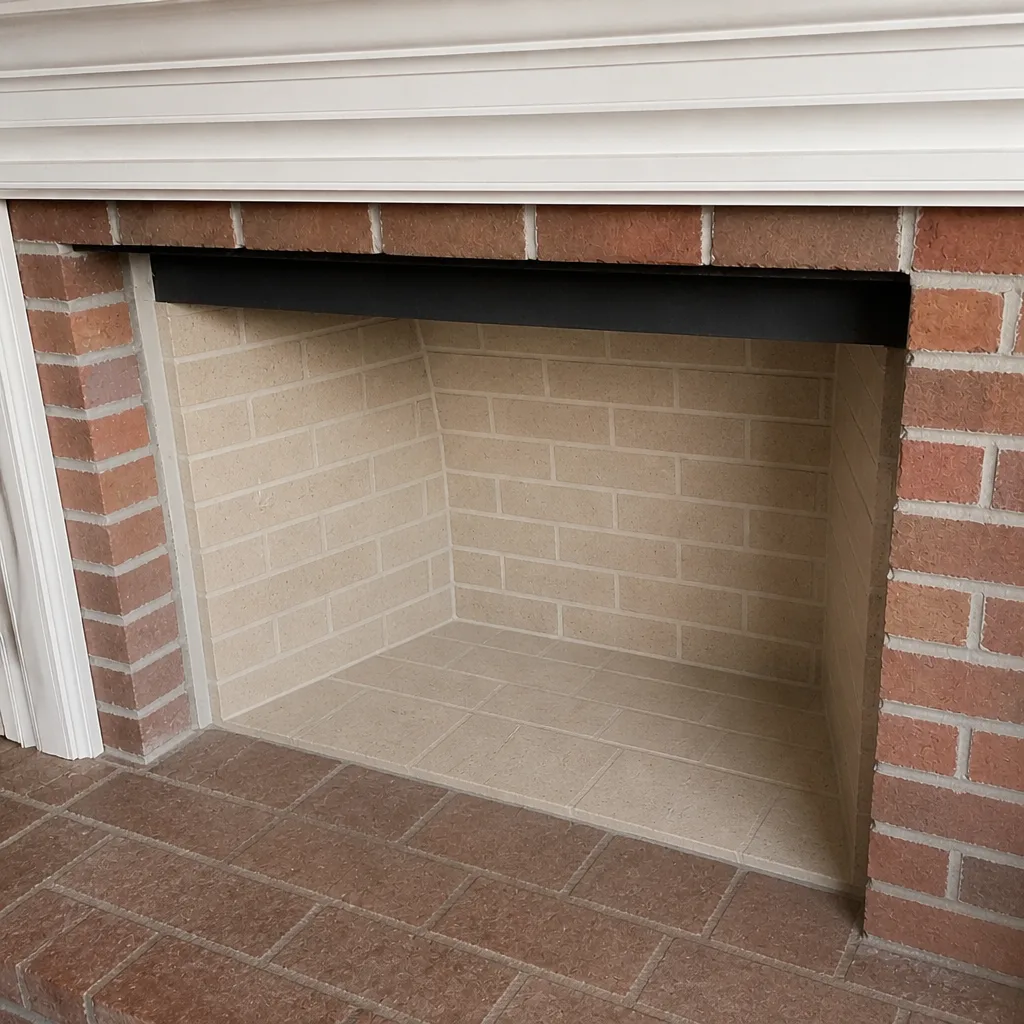
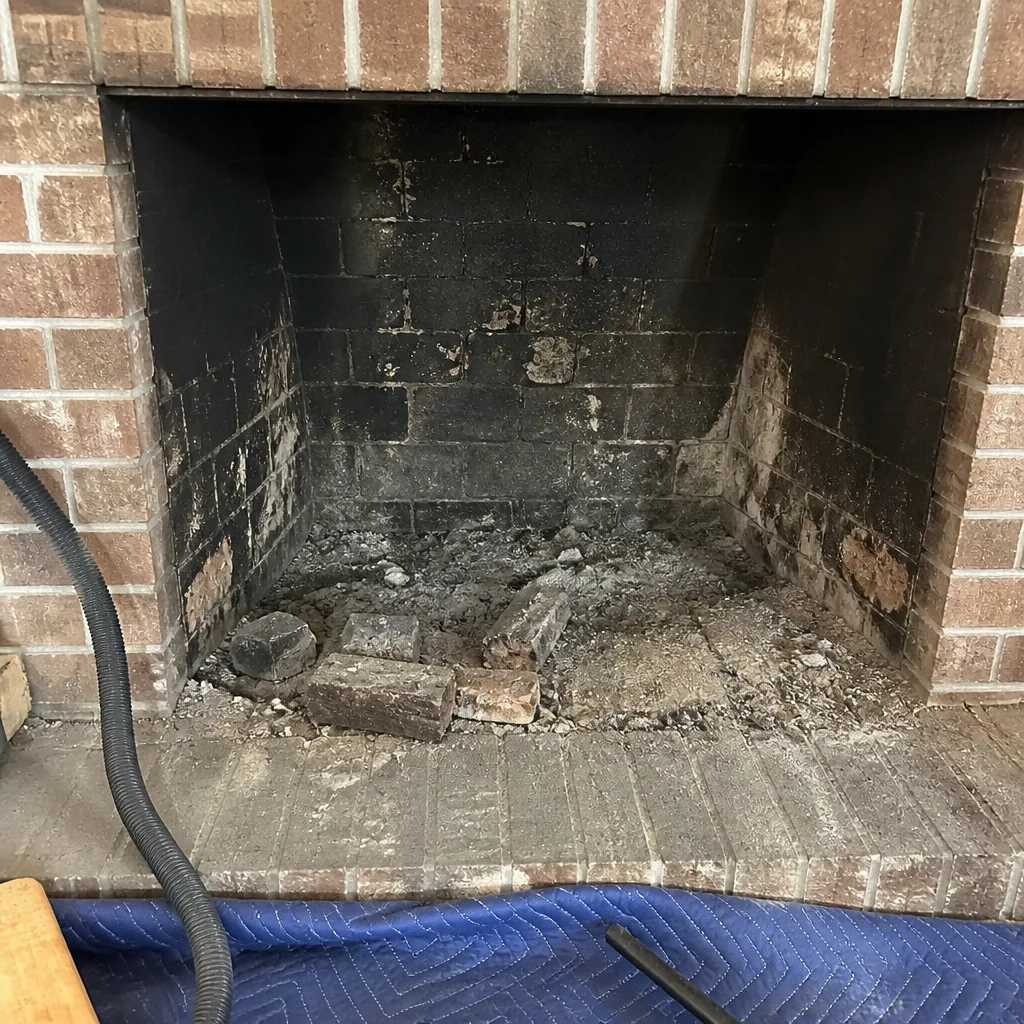
See the difference
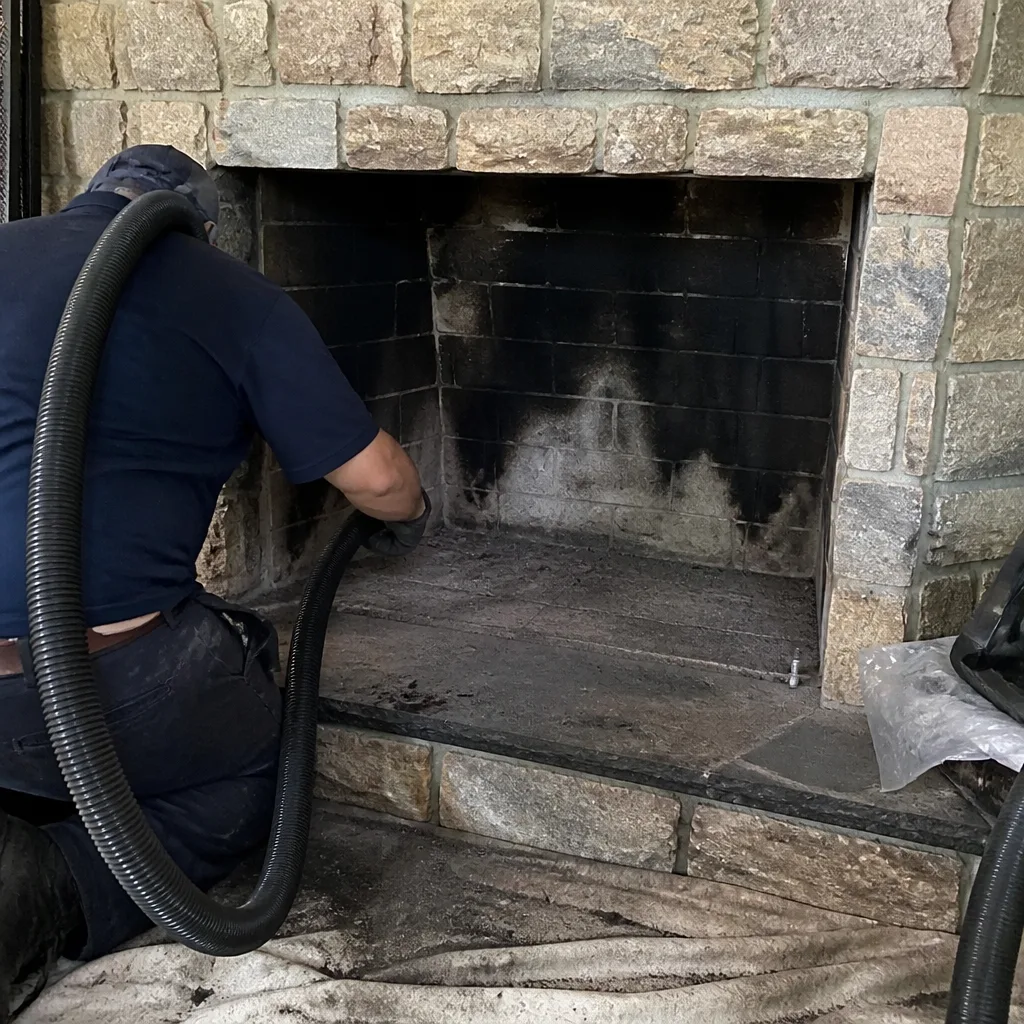 Before
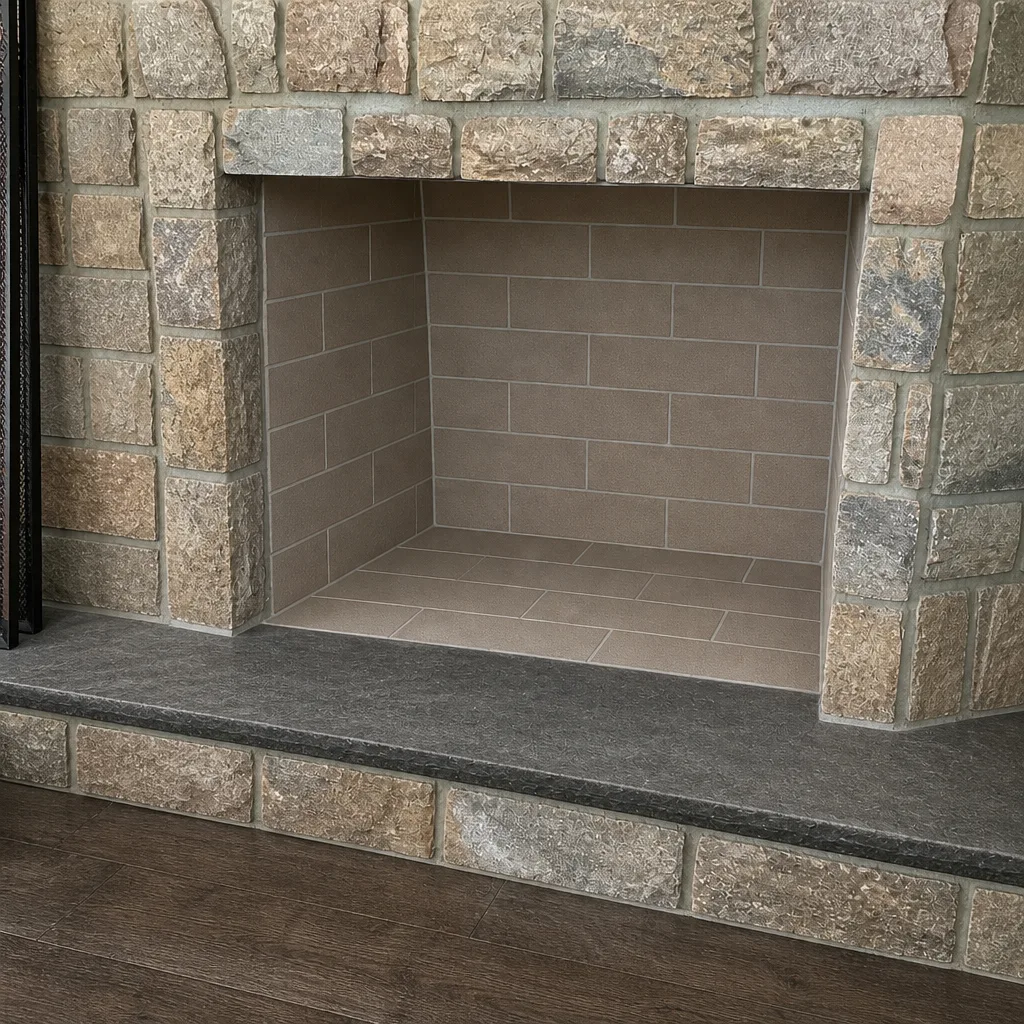 After
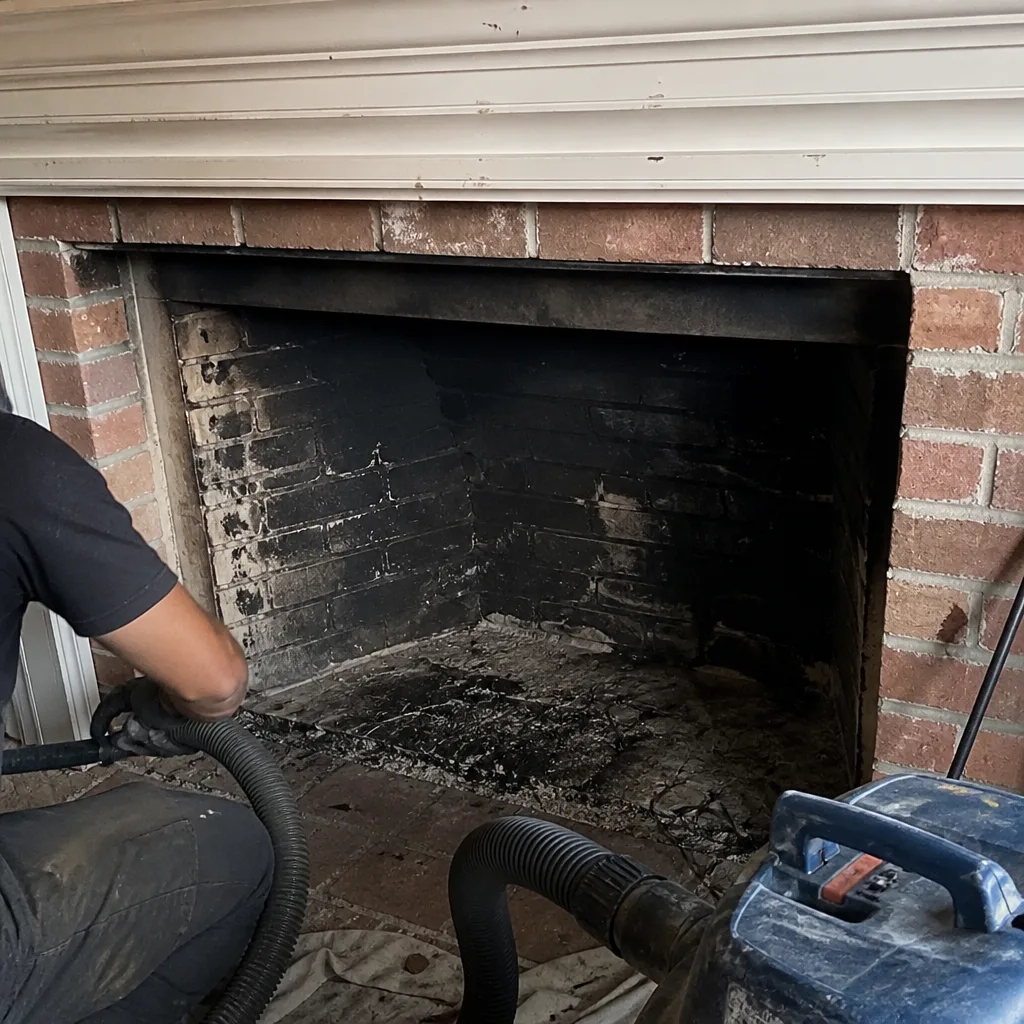 Before
 After
 Before
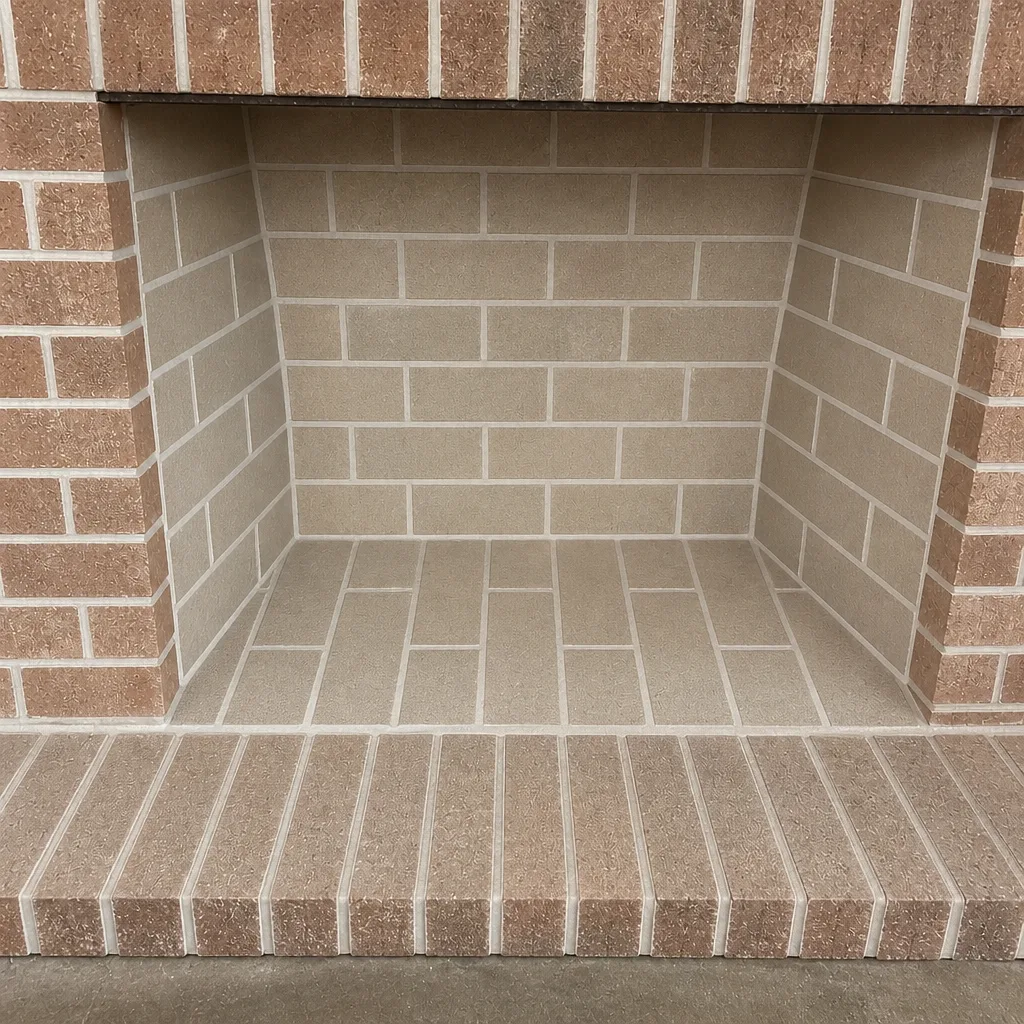 After