
Last updated November 15, 2026
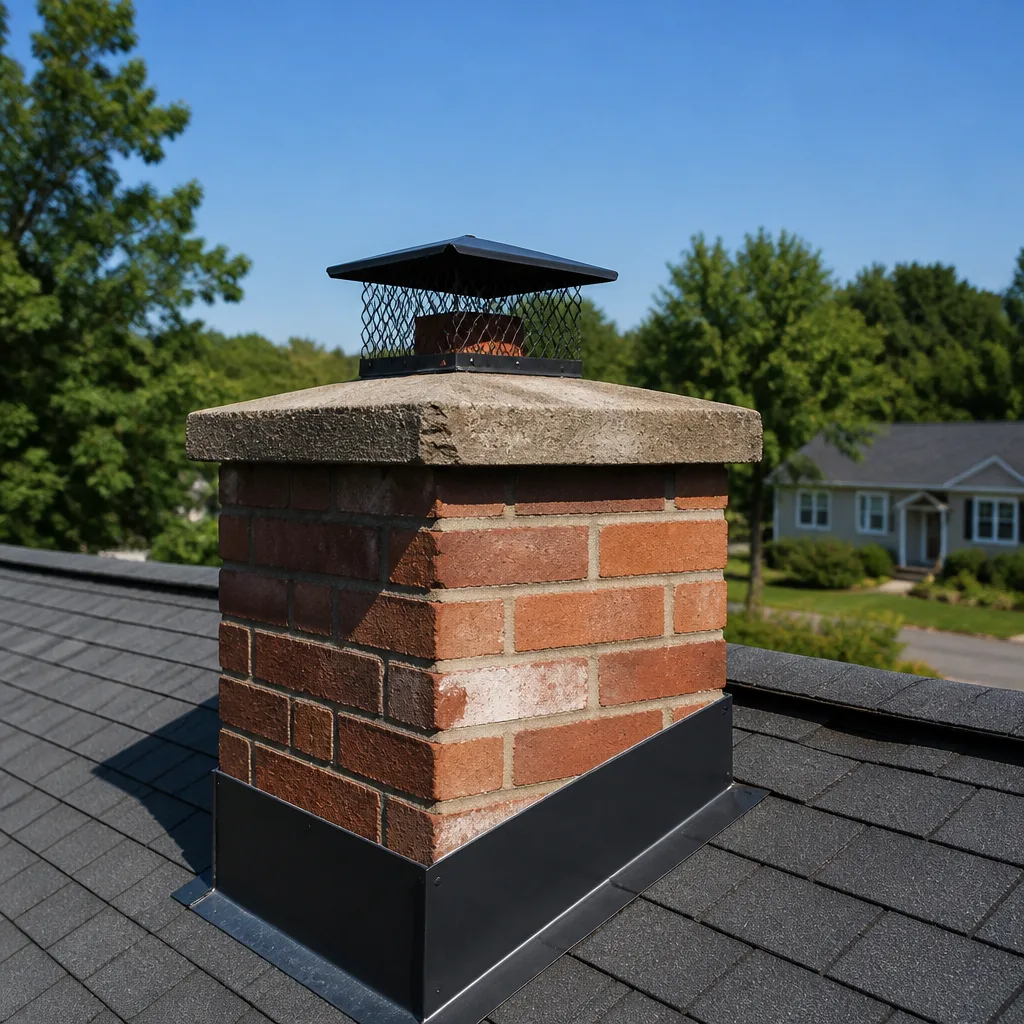 Sweep & inspection
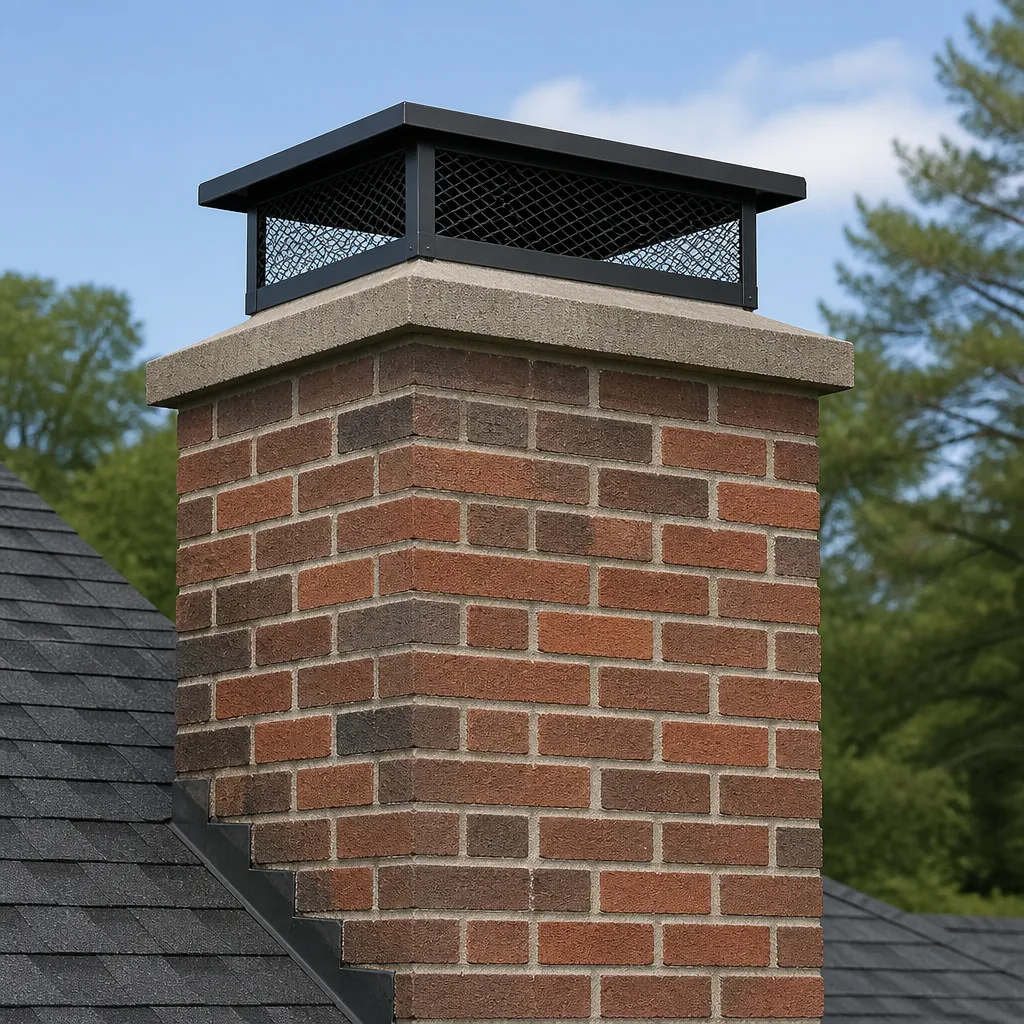 Caps & crowns
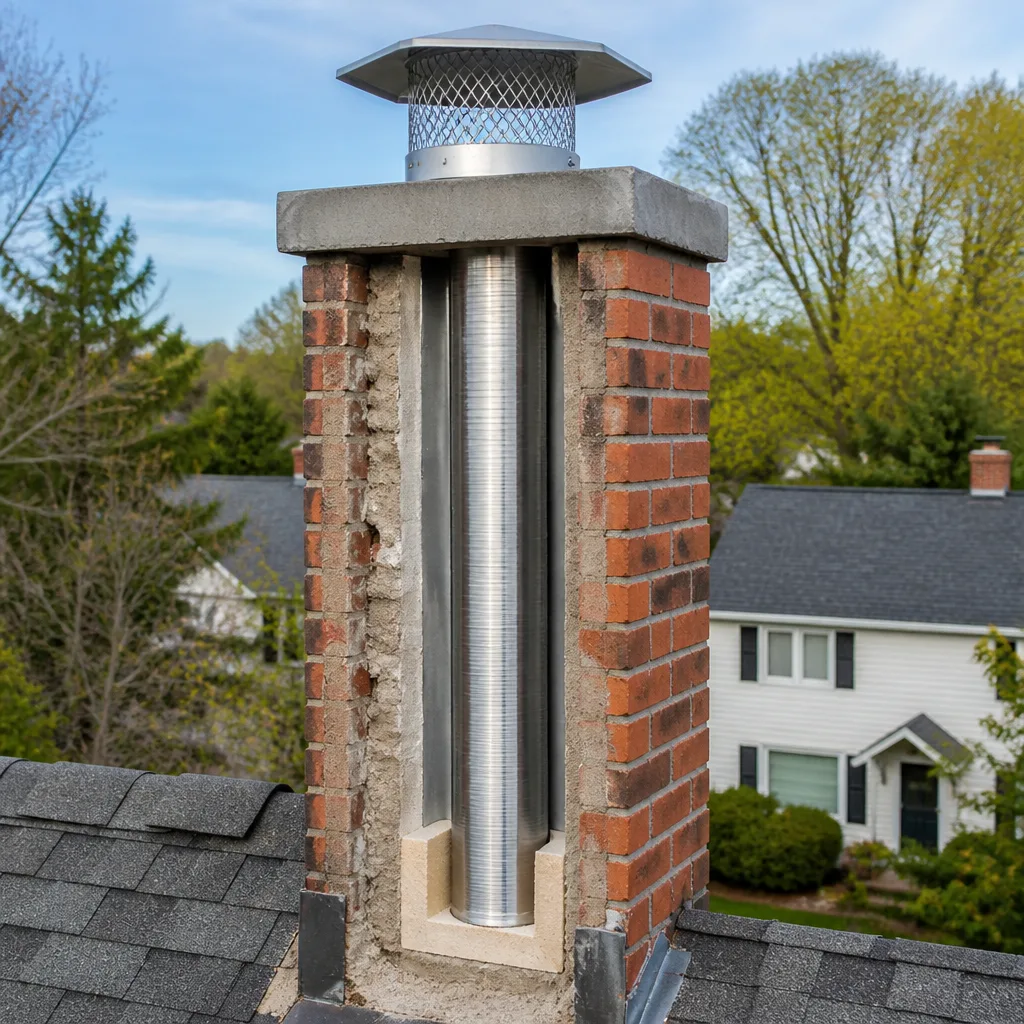 Flue relining
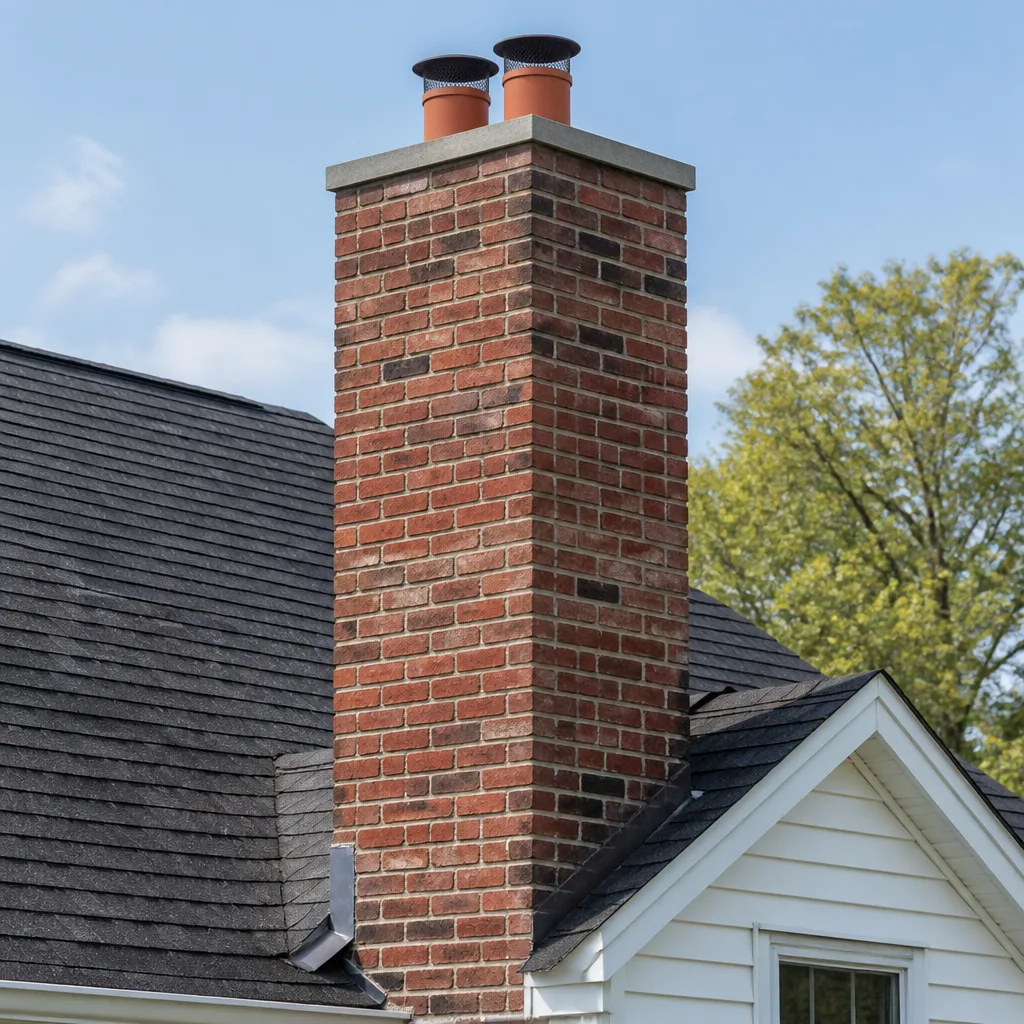 Masonry repair
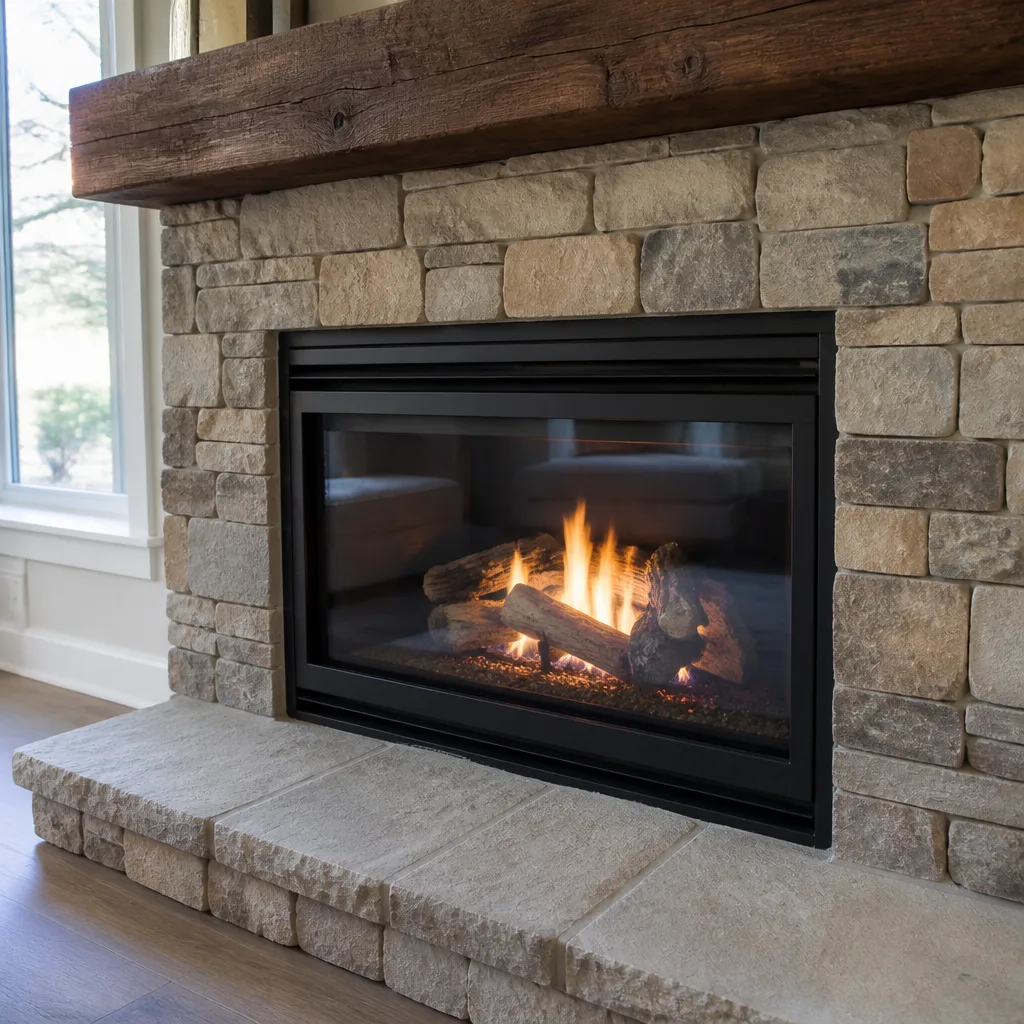 Gas fireplace service
Level 1 sweep and inspection to the NFPA 211 annual standard - flue, crown, cap, and flashing checked and photographed
Chimney sweep logs do not sweep chimneys. They loosen some creosote - which then falls where a brush and vacuum still have to collect it.
Chimney Cleaning Emergency Preparedness Guide for Brandon Homes
Brandon homeowners know hurricane prep cold: shutters, water, batteries, a plan for the generator. Chimneys rarely make the list. That’s the gap this guide fills. A chimney fire in a Florida home is often quieter than people expect, because mild burn seasons build creosote slowly and it doesn’t always roar when it lights. We’ve seen how that makes a low-intensity fire harder to catch, not easier. Below you’ll find the before, during, and after for chimney emergencies in Brandon: how to spot a fire in progress, how to prep the chimney before a storm, what to do after one, and what to tell your insurer.
Quick Answer
Chimney emergency preparedness in Brandon means three things: knowing the quiet signs of a low-intensity chimney fire (a smell, a hum, a pop rather than a roar), securing the cap and screening debris before hurricane season, and booking a Level 2 inspection before the first burn after any significant storm. Carbon monoxide is the other risk worth planning for, since air conditioning can pull combustion gases back into a tight home. A professional inspection is the only reliable way to confirm your flue is clear and sound.
Styles & brands we work with
- Sweep & inspection
- Caps & crowns
- Flue relining
- Masonry repair
- Gas fireplace service
Table of Contents
- How do you identify an active chimney fire in progress?
- Pre-hurricane chimney prep for Brandon homes
- Post-hurricane protocol: inspection before first use
- Carbon monoxide risk specific to Florida chimneys
- What to tell the fire department and your insurer
- Why mild burn seasons change creosote behavior
- Building a year-round chimney readiness plan
- Common mistakes to avoid
How do you identify an active chimney fire in progress?
A chimney fire doesn’t always announce itself with flames out the top. In Brandon’s mild burn seasons, the fire is frequently low-intensity: a slow, hot burn inside the flue that produces more sound and smell than visible smoke. If you suspect one, get everyone out of the house and call 911 before you investigate further. Then watch for the signs below from outside.
Here’s what a low-intensity chimney fire tends to sound and smell like:
- Sound: a low rumbling or humming, like a distant freight train, plus intermittent popping or crackling that doesn’t match the fire you built.
- Smell: a sharp, hot, tarry odor, sometimes described as burning rubber or a hot asphalt smell, drifting into the room or outside near the top of the chimney.
- Sight: dense smoke or a sudden puff from the chimney top, sparks, or a glow visible at the flue collar. Creosote flakes on the roof are another clue.
- Feel: the chimney breast or surrounding wall feeling unusually hot to the touch, or the damper and stovepipe getting hotter than normal.
What you should not do is throw water on it or close the damper to starve it without professional guidance. Both can cause their own problems. Get out, call for help, and let trained responders handle the fire itself. Once it’s out, no one should relight until a professional has inspected the flue. This is one of the reasons we treat the chimney sweep as a safety appointment, not a cosmetic one. A trained sweep looks for exactly the creosote loads that feed this kind of fire.
Pre-hurricane chimney prep for Brandon homes
Brandon sits far enough inland that the wind matters more than storm surge, but a hurricane or strong tropical system can still push water and debris straight into an open flue. The goal of pre-storm chimney prep is simple: close the openings, screen the top, and take pressure off anything loose. Do this before the first named storm of the season, not the day it makes landfall.
- Check the cap and its fasteners. A cap that’s loose or missing invites rain, leaves, and wind-driven debris straight down the flue. Confirm the cap is firmly attached and its screen is intact. If the cap is failing, a purpose-built replacement like the Famco and Copperfield components we specify is the right fix, not a wired-on workaround.
- Screen the flue opening. A spark arrestor screen keeps wind-blown debris and small animals out during the storm and afterward.
- Seal the damper and firebox opening. Close the damper fully. For a fireplace not in use, seal the firebox opening with plastic and tape to keep driven rain and humidity from migrating inside. This is the step that prevents interior water damage when wind pushes rain sideways.
- Clear the roof and gutters of loose debris. Leaves and branches near the chimney can become projectiles or block drainage.
- Move anything flammable away from the hearth. If water does get in and the firebox stays damp, you want nothing near it that could catch.
After the system has been sealed, note the condition of the cap, screen, and flashing. You’ll want to compare that against what you see after the storm. Photos taken before the storm make the “what changed” conversation much easier.
Post-hurricane protocol: inspection before first use
After any significant storm event, book a Level 2 inspection before you light the first fire of the season. This is the standard the National Fire Protection Association’s NFPA 211 sets out, and it’s the right call regardless of whether you see visible damage. Wind-driven rain, dislodged caps, cracked crowns, and shifted flashing don’t always leave obvious signs from the ground.
A Level 2 inspection is more than a look up the flue from the hearth. It includes the accessible portions of the chimney exterior and interior, the attic and crawl space where the chimney passes through, and the connections to the appliance. On a storm-damaged chimney, that scope is what catches problems a basic sweep would miss.
What we look for after a storm in Brandon:
- Displaced or missing caps and screens
- Cracked or spalled chimney crowns
- Separated flashing at the roof line and water staining
- Water or debris inside the flue
- Blockages from leaves, nests, or storm debris
- Any shift in the liner or joints
If the inspection turns up a damaged liner, a full reline with a DuraFlex liner system is often the answer rather than a patch. When a flue needs resurfacing instead of replacement, HeatShield is the system we’re trained to apply. Getting the whole arc – inspection, cleaning, and any chimney repair – under one company means you’re not sent hunting for a second contractor after the inspection report lands. In our experience, that handoff is where storm-damaged chimneys sit unrepaired the longest.
Carbon monoxide risk specific to Florida chimneys
Carbon monoxide is the chimney risk that gets the least attention in Brandon, and air conditioning is part of the reason. A tight, well-sealed home running the AC hard pulls air through the house and can create negative pressure. If the chimney isn’t drafting properly, that pressure can pull combustion gases back down the flue and into living space instead of up and out. This is called backdrafting, and it’s a serious safety issue.
What makes it easy to miss is that a mild Florida winter doesn’t force the issue the way a long cold season does. A fireplace or wood stove that gets used a handful of times a year can harbor a partial blockage or a compromised liner that shows no obvious sign. Meanwhile the CO has no color and no smell.
Protective steps that matter:
- Install and test CO alarms on every level of the home and near sleeping areas. Follow the manufacturer’s instructions for placement and replacement.
- Never run a wood-burning appliance with a blocked or damaged flue. A professional inspection confirms the flue is clear and drafting correctly.
- Watch for backdraft signs: smoke rolling back into the room, a fire that’s hard to start or stay lit, soot around the firebox, or a stale, stuffy smell when the appliance is running.
- Be aware that exhaust fans and dryers add to negative pressure in a tight house. If your fireplace only misbehaves when other fans are running, that’s worth telling an inspector.
If a CO alarm sounds, get everyone outside and call 911. Do not wait to see if it clears. Then have the chimney and appliance inspected before you use them again. When we Brandon Chimney Sweep homeowners with a CO concern, we look at the flue, the appliance connection, and the home’s pressure balance together, because the fix usually lives in more than one place.
What to tell the fire department and your insurer
After a chimney event, clear communication to two people shapes your outcome: the responding fire department and your insurance company. What you say and what you document will follow the claim from first call to final decision. Get it right on the day.
When you call the fire department, tell them plainly that you suspect a chimney fire, what you observed (sound, smoke, sparks, heat), and whether everyone is out. Don’t minimize it. A low-intensity fire that’s mostly out still needs a professional look, and the responders want to know the truth, not a tidy version. After they leave, ask for the incident report or a record number. You’ll want it.
For your insurance company, documentation is the deciding factor. Put together:
- A written description of what happened, in your own words, dated
- Photos and video of the chimney interior and exterior, the cap, and the roof area
- The fire department’s incident report number
- The professional inspection report, with the inspector’s findings and any photos
- Receipts for any emergency work already performed
Then call your insurer before any repair crew starts tearing anything out, so the claim process can be coordinated. Many policies cover fire damage from a chimney fire but not the cost of routine maintenance that should have prevented it, so the inspection record showing the condition of the system matters. This is one place where having all three services under one company helps: the inspection that documents the condition and the repair that fixes it come from the same source, with photos to back it up.
Why mild burn seasons change creosote behavior
Creosote forms when wood smoke cools too fast, and in Brandon’s mild climate the burn season is short and the fires are often small and slow. That combination is exactly the recipe for creosote buildup. A fire that’s shut down early, a flue that runs cool, and occasional burns instead of steady ones produce a stickier, denser creosote than a hot, active fire in a cold climate. The buildup is gradual, so nothing dramatic forces your attention until the fuel load is already there.
The three grades of creosote, from least to most dangerous:
- First degree: sooty, flaky, and easy to brush. The most common in well-managed chimneys.
- Second degree: a hard, tar-like layer that takes more than a standard brush to remove.
- Third degree: a glazed, hardened deposit that has baked onto the flue walls and is highly combustible. This is where a low-intensity fire can turn into something serious.
Because the buildup here is slower and less obvious, we recommend inspecting at least once a year and sweeping whenever the creosote layer reaches a quarter inch or you’ve used the fireplace heavily through a season. That’s a general industry guideline, not a magic number. If you burn green or unseasoned wood, you’ll get there faster. The Brandon humidity also slows drying, so wood stored outdoors here stays wet longer than the calendar would suggest. Season your wood longer and burn hotter when you do.
Building a year-round chimney readiness plan
Emergency prep works best as a calendar, not a scramble. The chimney is one of the few systems in a Brandon home that’s just as dangerous in the off-season as during the burn season, because a blocked flue or a loose cap can quietly do its damage between fires. Here’s the plan we walk homeowners through.
- Spring or early summer: book your annual inspection and sweep after the burn season ends. Get ahead of the storm season and the fall rush.
- Before hurricane season: confirm the cap, screen, damper, and flashing are secure. Complete the pre-storm prep above.
- After any named storm or significant wind/rain event: book a Level 2 inspection before the first fire.
- Before first burn each fall: test CO alarms, clear the hearth, and confirm the flue is clear.
- Year-round: store wood in a dry, covered spot with airflow and burn only seasoned wood.
Keeping one professional relationship for inspection, sweeping, and repair is the piece that makes the rest of the plan actually work. When an inspection turns up a problem, the same company that finds it can fix it, with the right parts on hand rather than improvised ones. That’s a big part of why we work with Olympia Chimney and DuraFlex on liner work and with Famco and Gelco on flashing and caps: the right component for the job, specified for your flue, not a hardware-store substitute.
Common Mistakes to Avoid
- Assuming a chimney fire will roar. In Brandon’s mild season, the fire is often a hum, a pop, and a smell. If it doesn’t sound like a jet, many homeowners assume it’s fine. It isn’t a sound cue you can trust.
- Relighting before an inspection. A fire that’s out still leaves a damaged or weakened flue. Lighting up again before a professional checks it risks a second, worse event.
- Skipping the post-storm inspection because the chimney looks fine. Wind-driven rain and hidden flashing separation cause damage you can’t see from the ground. NFPA 211’s Level 2 inspection exists for exactly this.
- Ignoring CO because the fireplace was only used a few times. Negative pressure from AC and occasional, small fires can combine badly. Working CO alarms aren’t optional.
- Burning unseasoned wood to save money. It burns cooler, creates more creosote, and costs you far more in cleaning and risk than it saves.
- Improvised caps and flashing. A taped-on or wired-on fix won’t survive a storm system. Purpose-built components like Famco or Copperfield caps and flashing are built for the load, and they’re what we specify.
- Waiting until you smell smoke to call. By the time you smell it, the blockage or damage is well established. An annual inspection catches these problems while they’re still small and cheap to fix.
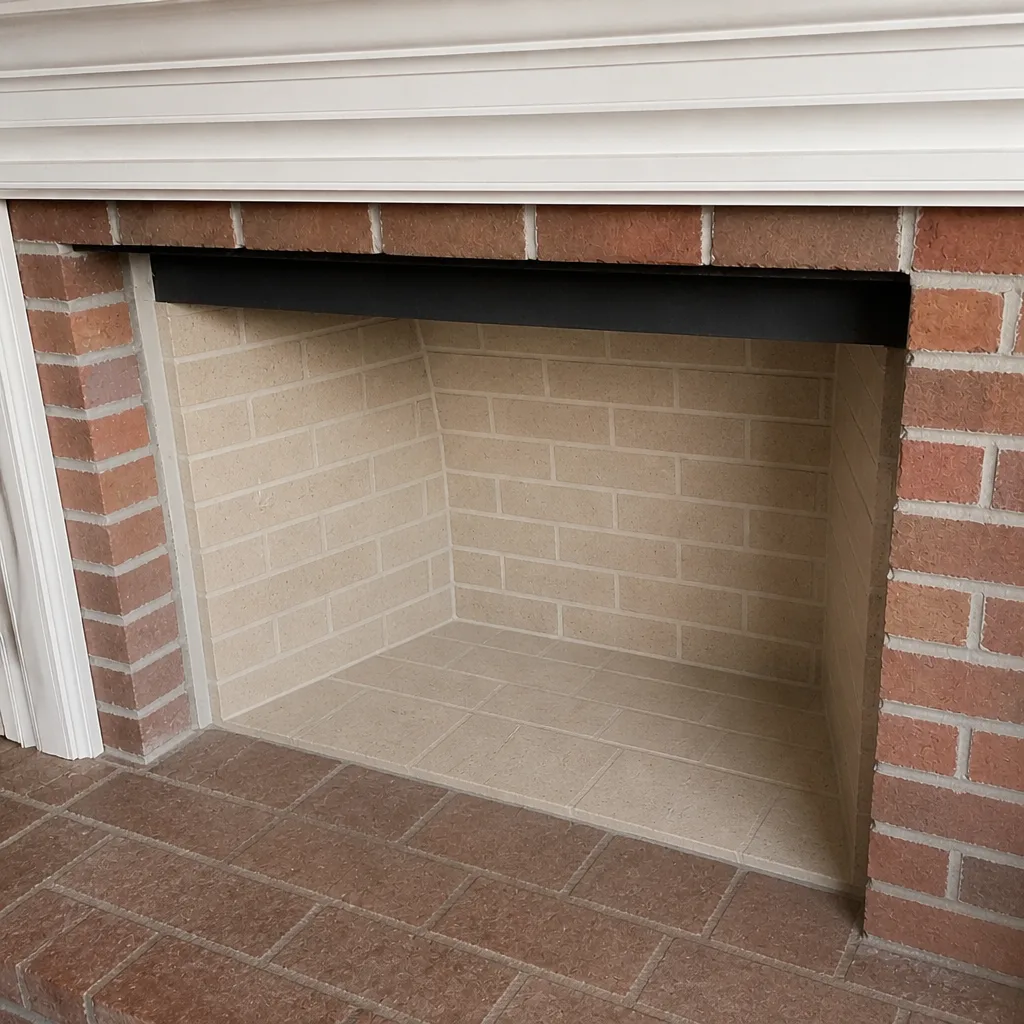
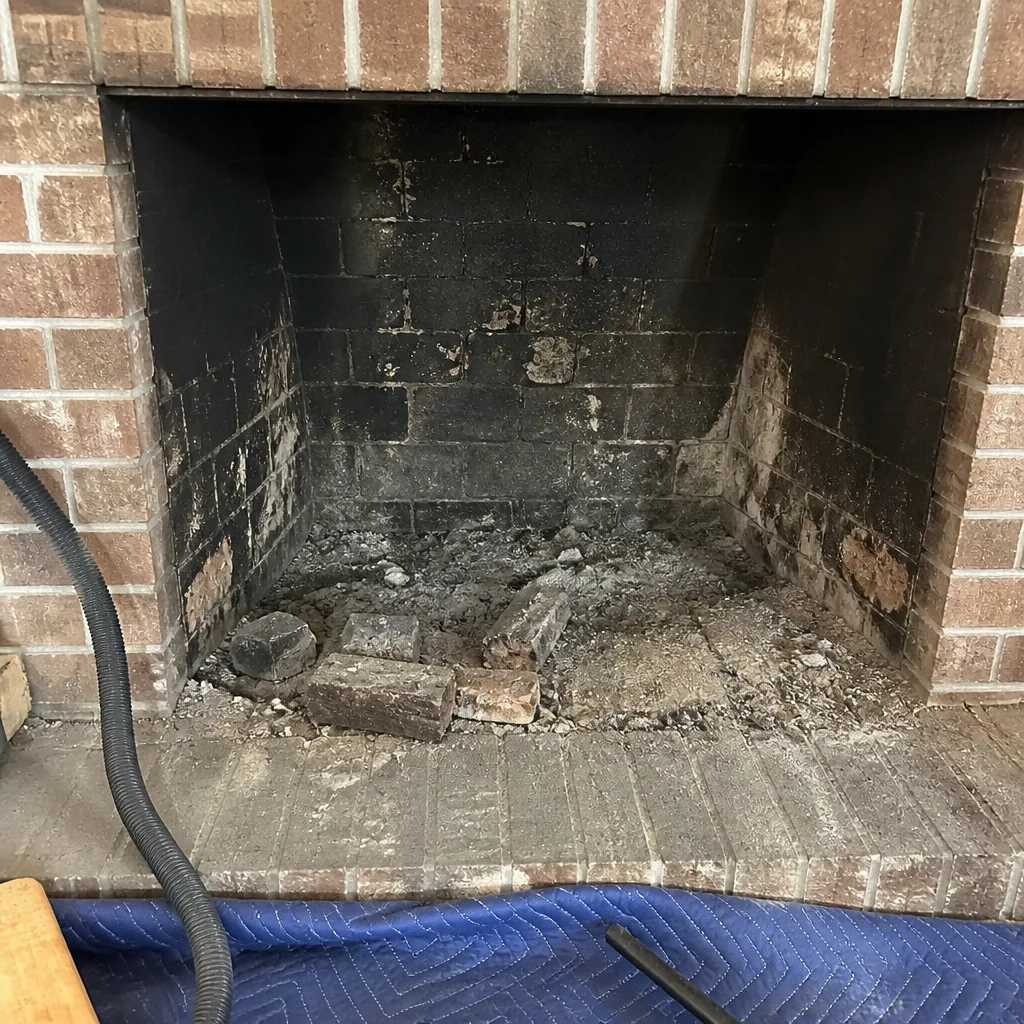
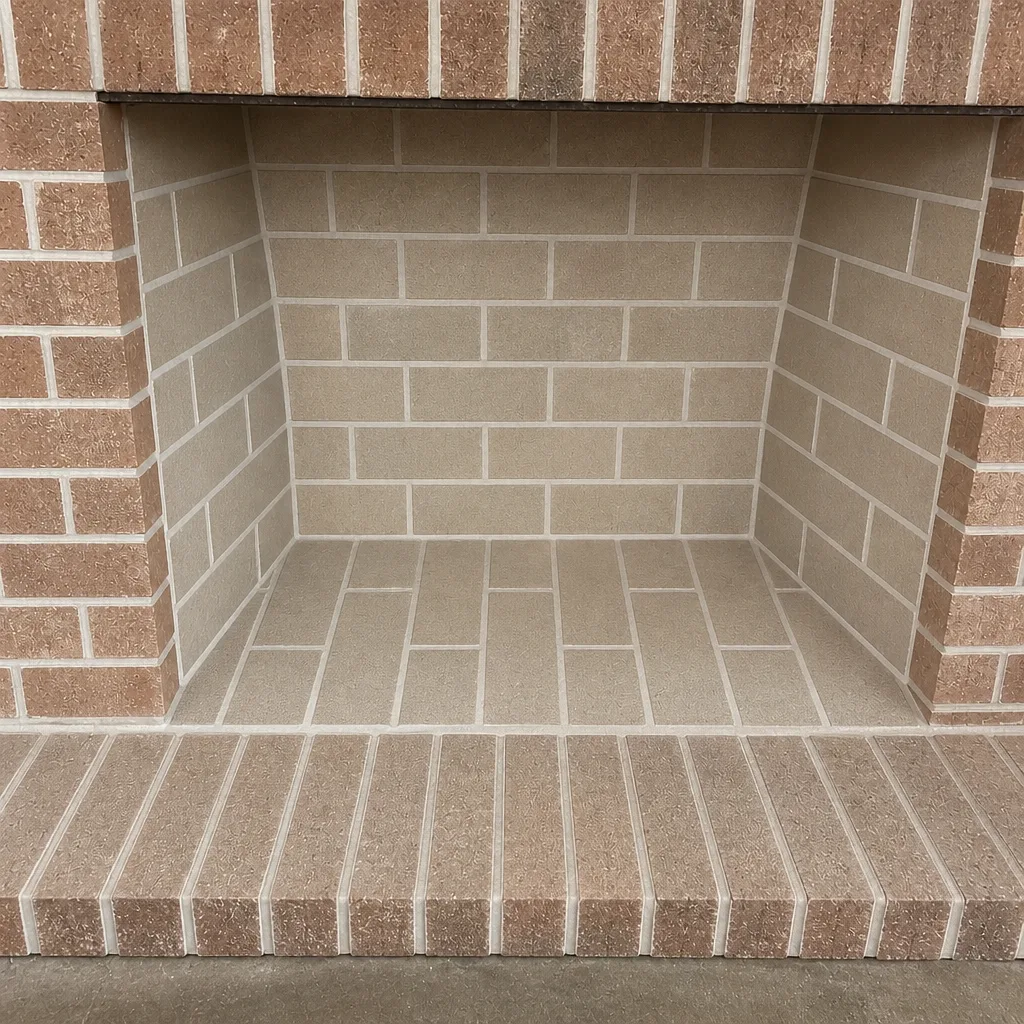
See the difference
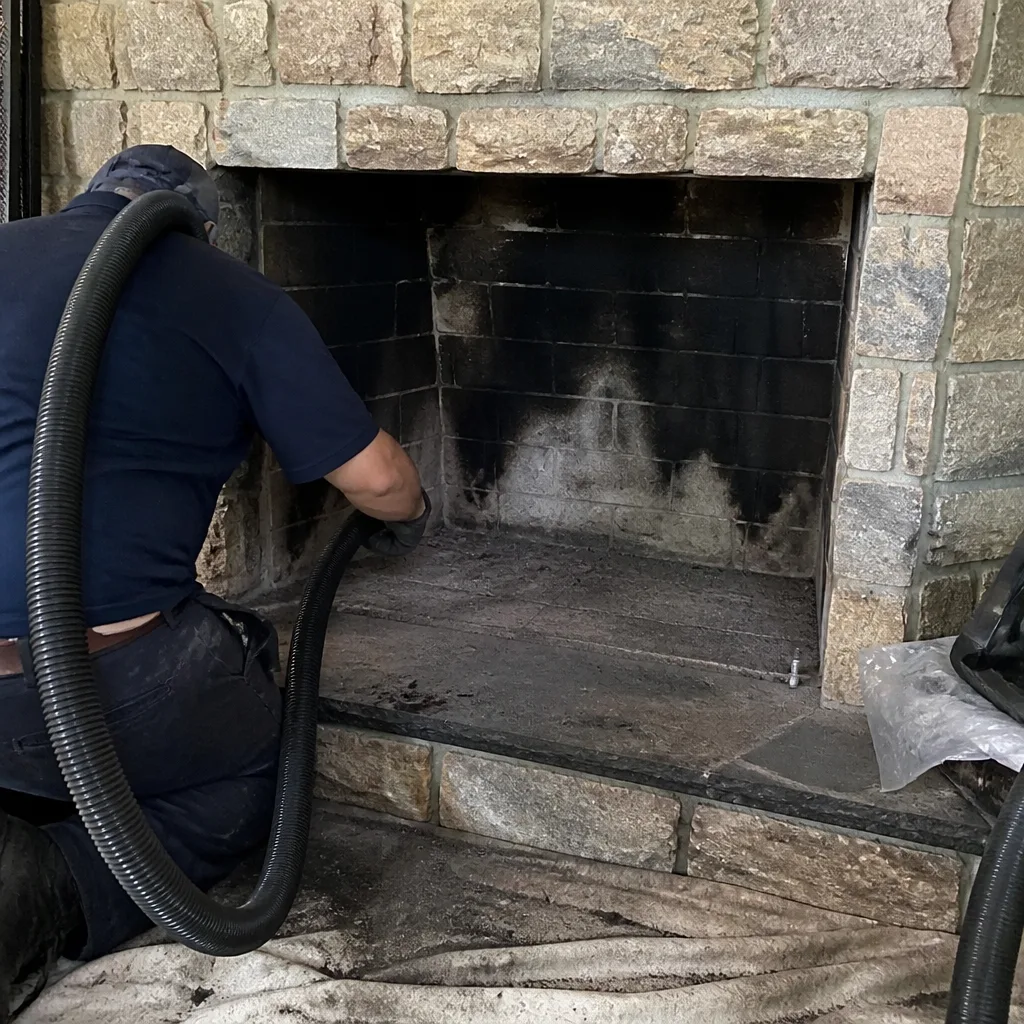 Before
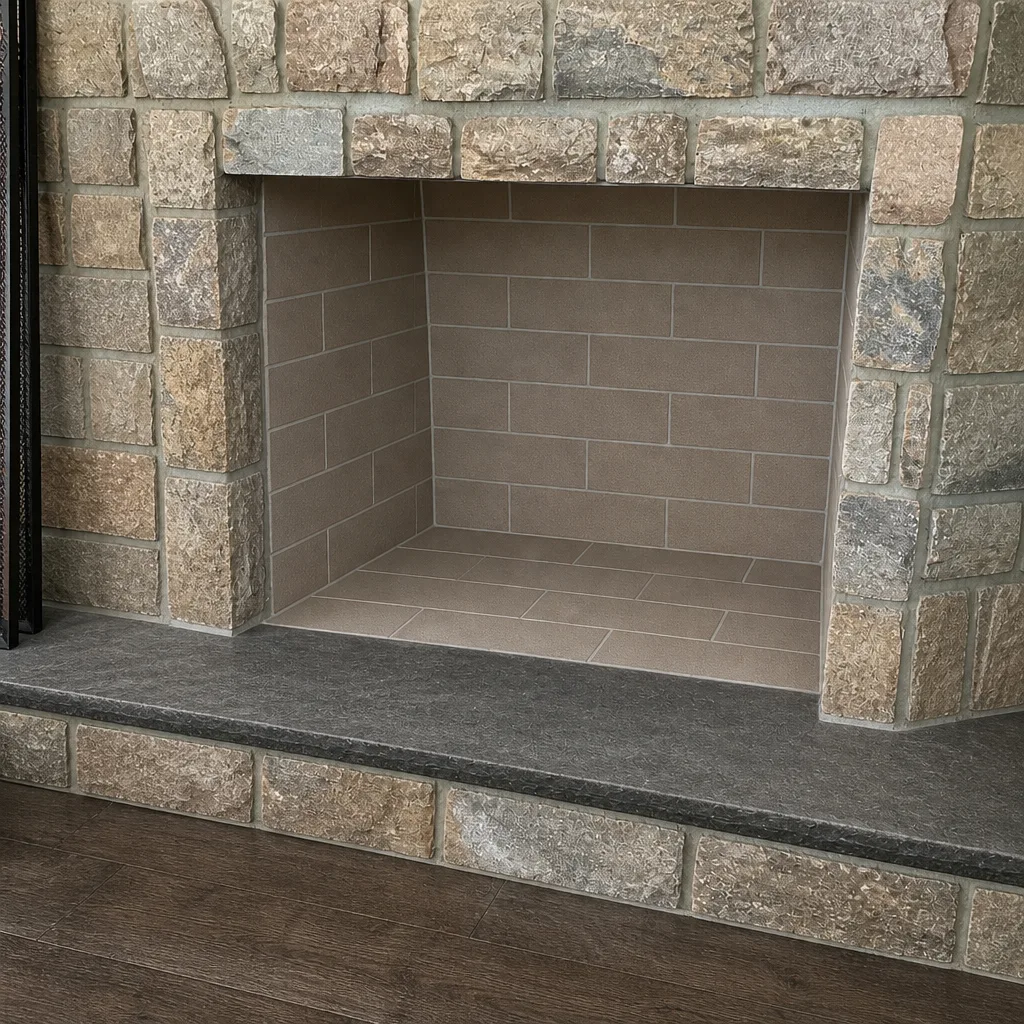 After
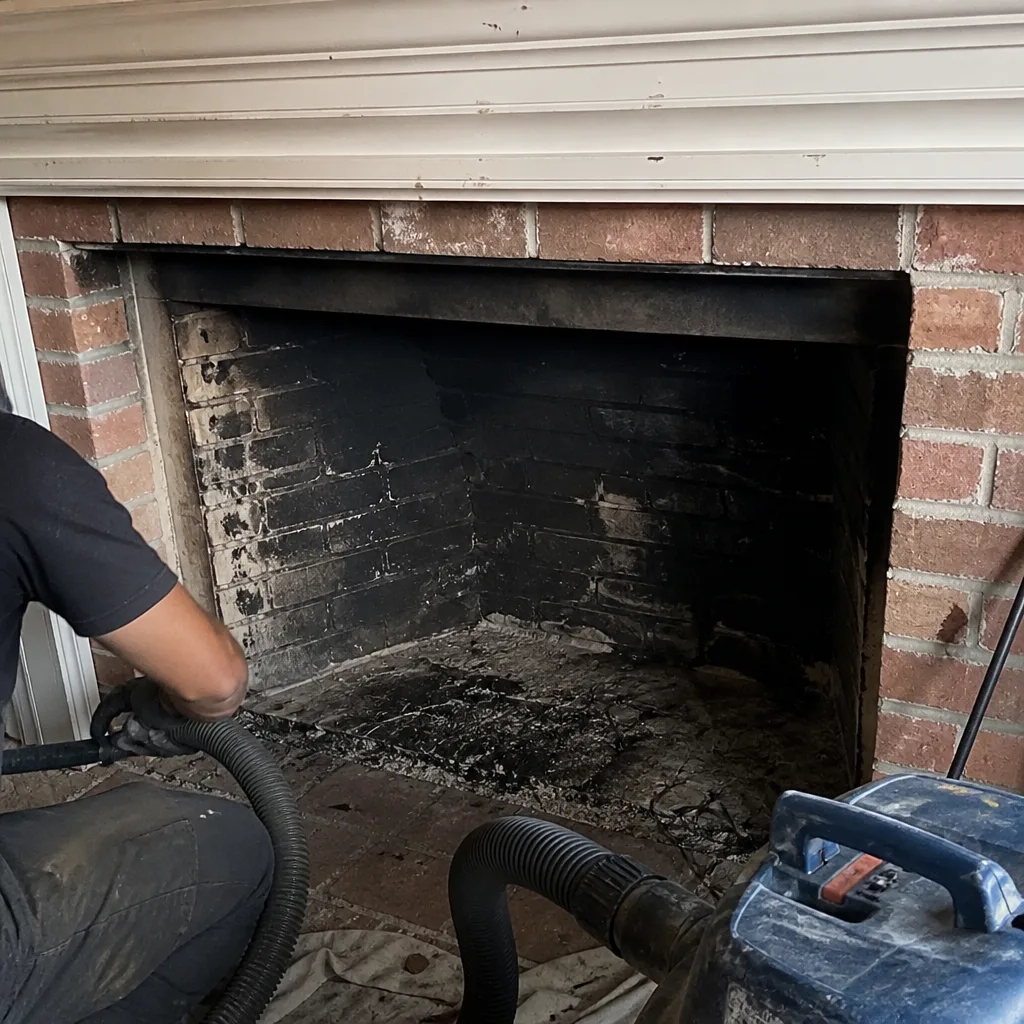 Before
 After
 Before
 After
When to Call a Professional
Call a professional if you smell a hot, tarry odor near the chimney, hear popping or rumbling that doesn’t match your fire, see smoke rolling back into the room, or have any reason to think a chimney fire has occurred. Call if your CO alarm has sounded, if the cap or flashing looks loose after a storm, or if you’ve just moved into a Brandon home and don’t know when the chimney was last inspected. Call before the first burn each season if it’s been more than a year since your last sweep. And call if an inspector suggests repairs you have no way to check out, because you deserve to see the evidence first. Our technicians have up to 10 years of experience, and we can work with your insurer on claims. Brandon Chimney Sweep offers free estimates in Brandon, so the call costs you nothing. Call (866) 501-5479. We answer 24/7. Fast dispatch from 7am to 7pm, Sunday through Friday.
Frequently Asked Questions
Look for a low rumble or humming, popping, a sharp tarry smell, dense smoke or sparks from the top, or an unusually hot chimney wall. In Brandon’s mild season, the fire is often subtle and may not roar. If you suspect one, get everyone out and call 911 before anything else, then have the flue inspected before relighting.
Yes. NFPA 211 calls for a Level 2 inspection before first use after any significant storm event, because wind, rain, and debris can compromise a flue in ways you can’t see from the ground. The inspection covers the accessible exterior, interior, attic and crawl space, and appliance connections. Call (866) 501-5479 to schedule one after a storm – estimates are free.
Tight, well-sealed homes running air conditioning can develop negative pressure that pulls combustion gases back down the flue instead of up and out. Because Brandon’s burn season is mild, a fireplace used only occasionally can go unproven for a long time. Working CO alarms and an annual inspection are the baseline safeguards. Call (866) 501-5479 to book an inspection – estimates are free.
Inspect at least once a year and sweep when the creosote layer reaches about a quarter inch or you’ve burned heavily through a season. Brandon’s short, mild burn season builds creosote more slowly but no less steadily, so annual attention matters. Call (866) 501-5479 for a sweep booked with a flat price agreed in advance – estimates are free.
Give them a dated written account, photos and video of the chimney and roof area, the fire department’s incident report number, and a professional inspection report with findings. Call your insurer before any repair starts so the claim can be coordinated. Our inspection reports and photos give your claim a solid record to work from.
We handle inspection, sweeping, and repair under one company, so you’re not handed off to a separate contractor after a problem is found. That includes resurfacing with HeatShield, relining with DuraFlex systems, and cap and flashing work with Famco and Gelco components. One call covers the whole arc. Call (866) 501-5479 – estimates are free.
The Bottom Line
Chimney emergencies in Brandon are mostly quiet ones: a low-intensity fire that never roars, a flue compromised by a storm, carbon monoxide pulled inward by a tight house running its AC. The plan that handles all three is the same: know the signs, prep the chimney before storm season, inspect before the first burn and after any significant storm, and keep CO alarms working year-round. Document everything after an event. And keep one professional relationship for the whole arc – inspection, cleaning, and repair – so problems get found and fixed without a handoff. Call (866) 501-5479 for a free estimate and get your chimney on a plan before the season turns.
Written by the team at Brandon Chimney Sweep.