
Last updated November 15, 2026
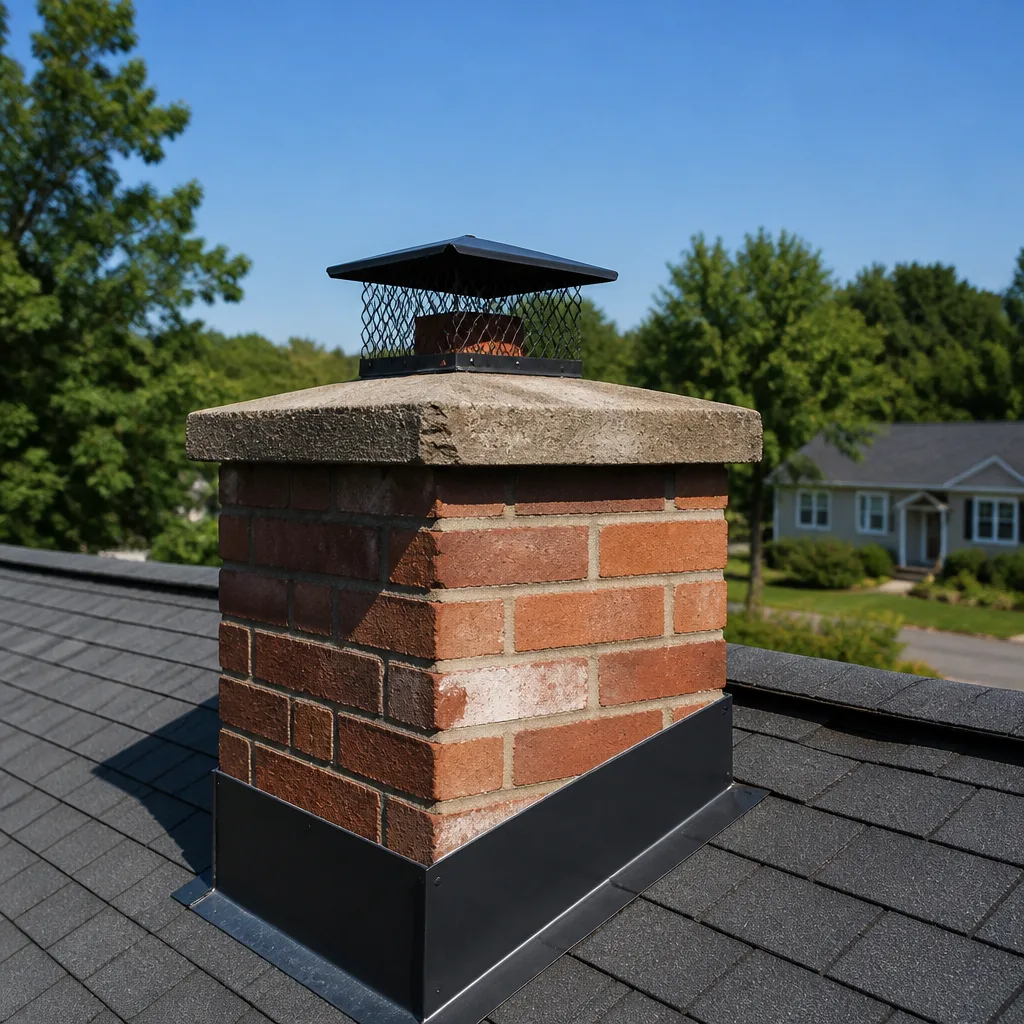 Sweep & inspection
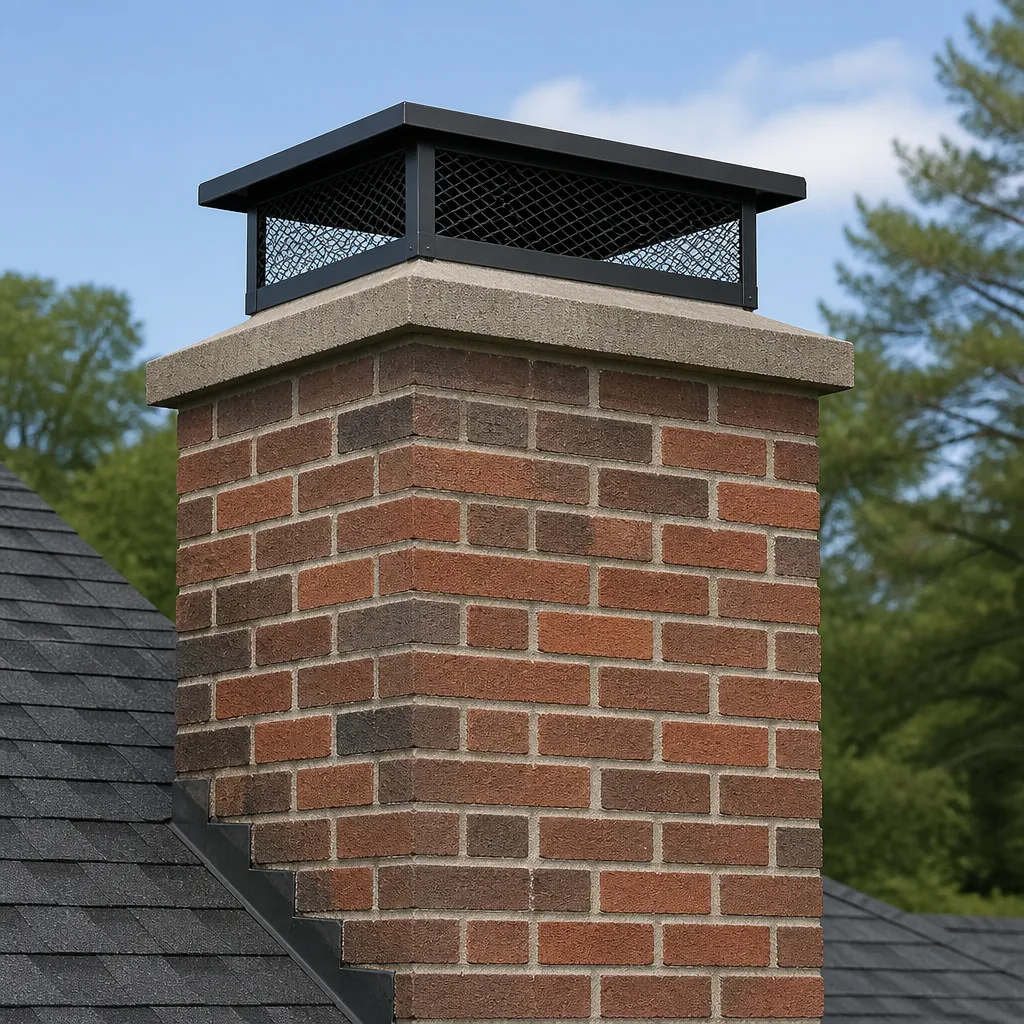 Caps & crowns
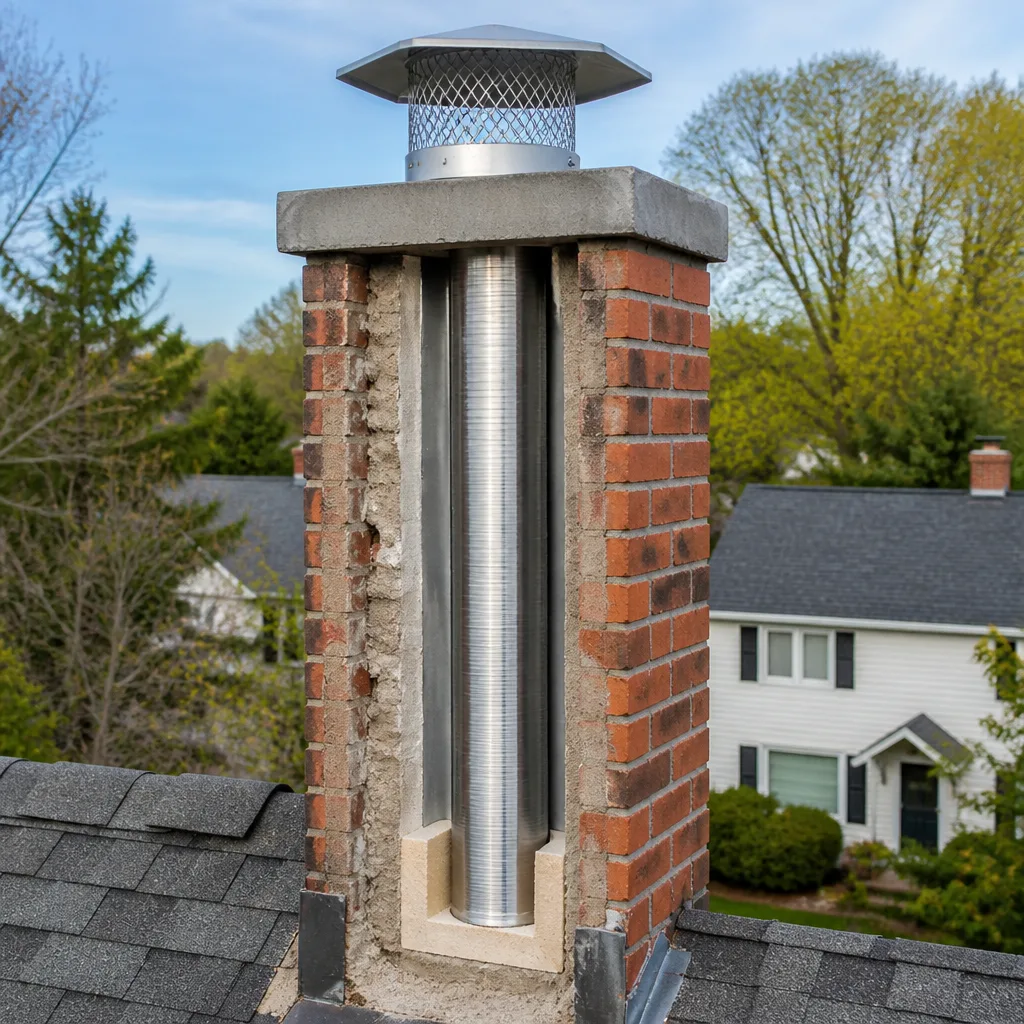 Flue relining
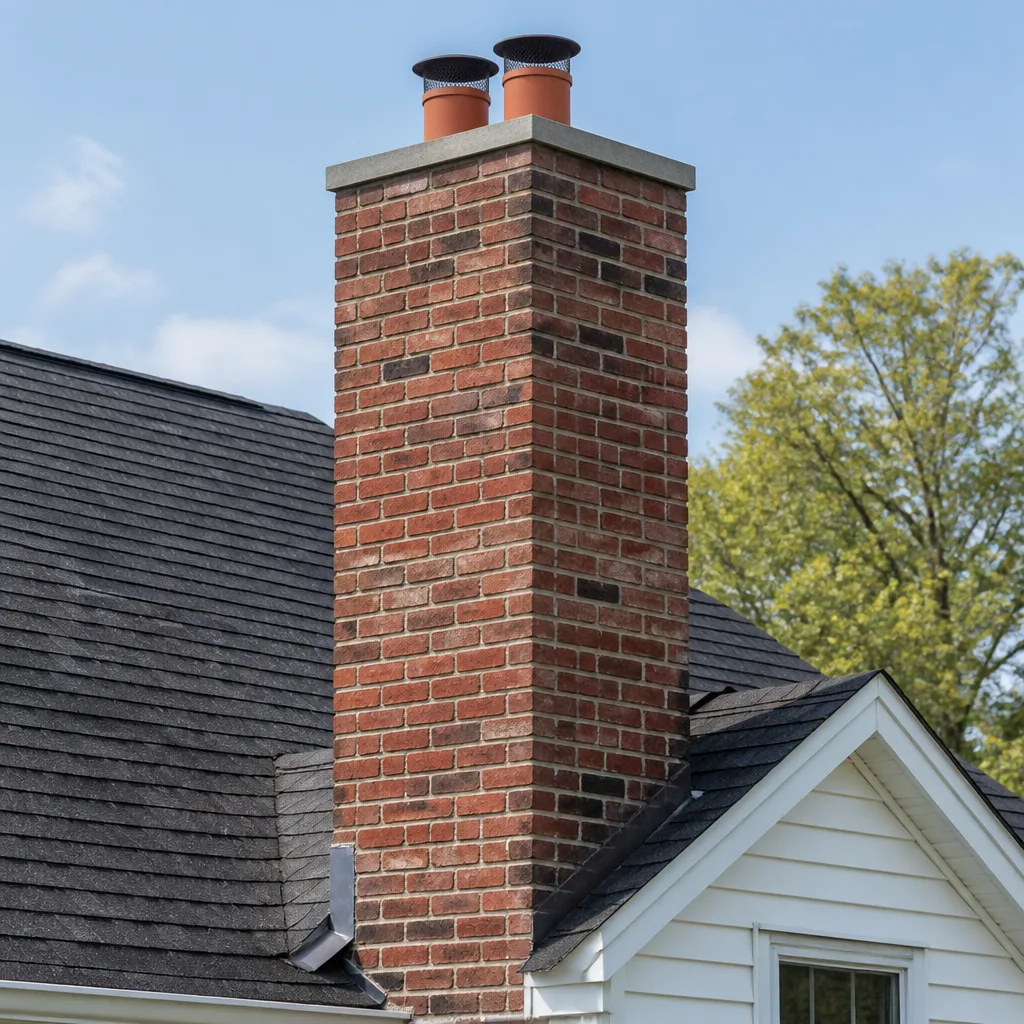 Masonry repair
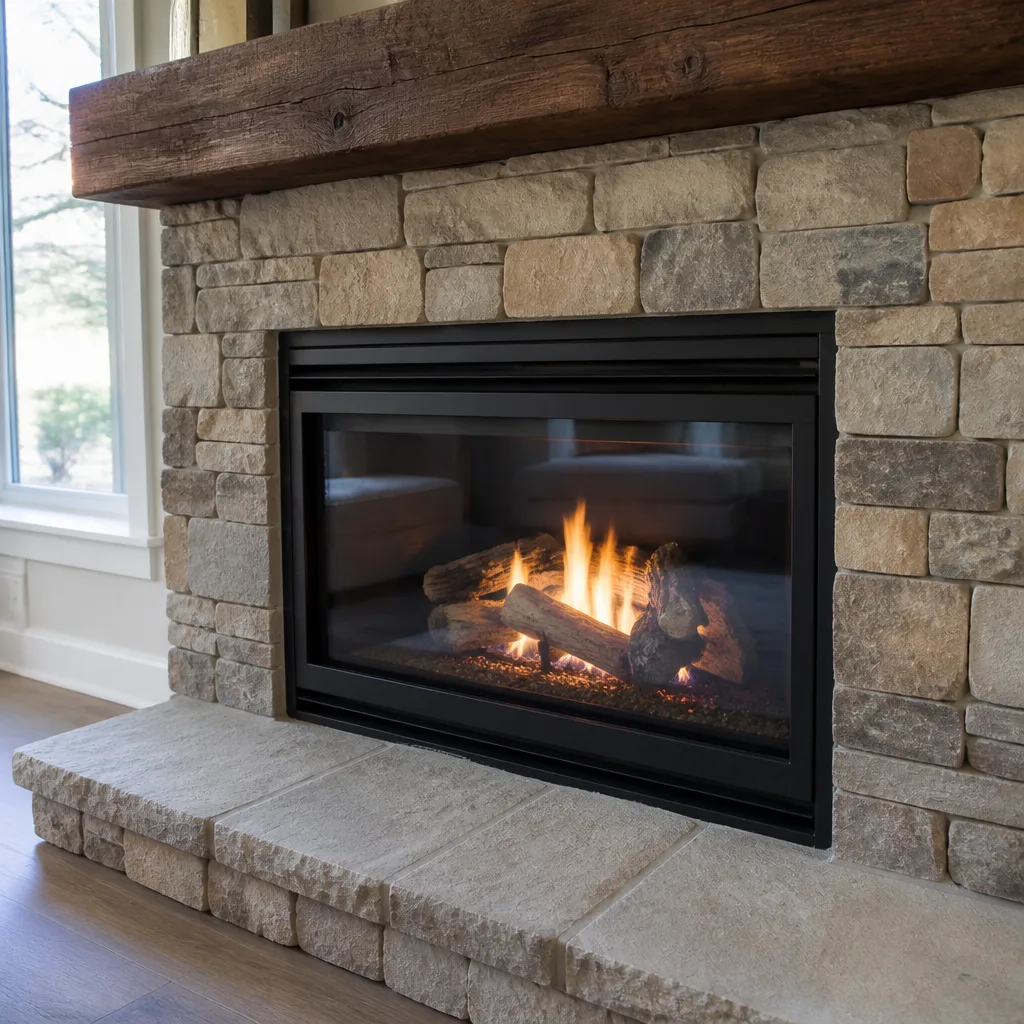 Gas fireplace service
Level 1 sweep and inspection to the NFPA 211 annual standard - flue, crown, cap, and flashing checked and photographed
Chimney sweep logs do not sweep chimneys. They loosen some creosote - which then falls where a brush and vacuum still have to collect it.
Seasonal Chimney Cleaning Care for Brandon: Year-Round Homeowner’s Guide
Most chimney advice you’ll find online was written for places with real winters. It tells you to book a sweep in October, check the cap before the first snow, and close the damper in spring. That calendar works in Ohio. In Brandon, it misses the season that does the most damage. The months that punish a Florida chimney hardest are May through September, when the fireplace sits cold and the rain comes sideways. Moisture, wind-blown debris, and nesting animals work on your flue while you’re not looking. This guide replaces the northern routine with one that fits Central Florida’s actual seasons, so you know what to check in each window and when to book professional work. In our experience, the homeowners who understand this rhythm spend less and stay safer.
Quick Answer
Chimney care in Brandon follows four local seasons, not the traditional fall-and-spring schedule. The most important window is May through September, when rainy season and hurricane season threaten a dormant chimney with moisture and debris, followed by an October pre-season cleaning and inspection before you burn. Built to chimney-industry standards, a year-round approach means protecting the flue in summer, cleaning and inspecting it before burn season, monitoring it during use, and closing it properly in spring.
Styles & brands we work with
- Sweep & inspection
- Caps & crowns
- Flue relining
- Masonry repair
- Gas fireplace service
Table of Contents
- Why the Northern Chimney Calendar Doesn’t Fit Brandon
- May – September: Protecting a Dormant Chimney Through Rainy and Hurricane Season
- October – November: The Pre-Season Cleaning and Inspection Window
- December – February: What to Watch During Burn Season
- March – April: Closing the Chimney Before Eight Months of Summer
- How Florida’s Daily Temperature Swings Affect Draft
- The Brandon Year-Round Chimney Checklist
Why the Northern Chimney Calendar Doesn’t Fit Brandon
In cold climates, chimney care is organized around one enemy: the long freeze. Northern guides warn about freeze-thaw damage to masonry, ice forming at the crown, and snow blocking the cap. None of that applies here. Brandon winters are mild, and the masonry never goes through the repeated freezing and thawing that cracks brick up north. Importing that advice does nothing except distract you from the real local risks.
Central Florida’s seasons create a different set of problems:
- Rainy season (roughly May through September) delivers the moisture load through wind-driven rain, high humidity, and frequent storms.
- Hurricane season (June through November) brings wind and debris that can crack a crown, loosen a cap, or drop limbs onto the chimney.
- Dry burn season (December through February) is short and mild, but it’s when the fireplace actually runs and creosote builds.
- Dormancy (roughly March through October) is when the chimney sits unused for months, which is exactly when neglect compounds.
The practical takeaway: the work that protects a Brandon chimney belongs in the wet season and immediately after it, not in the middle of winter. A cleaning scheduled in October catches everything summer left behind. A cleaning scheduled in January, the northern habit, comes after the damage window has already closed.
This is the single biggest shift in thinking we try to get across to homeowners in Brandon. Once you map the risks to the local calendar, the rest of the year sorts itself out.
May – September: Protecting a Dormant Chimney Through Rainy and Hurricane Season
Summer is when your chimney is most vulnerable and least watched. The firebox is cold, the damper may be open, and nobody thinks about the flue for months. Meanwhile, wind-driven rain, high humidity, and storm debris are working on it.
What actually happens to a dormant chimney during Florida’s wet season:
- Moisture intrusion. Rain driven by wind gets past a cracked crown, a worn cap, or failing flashing. Once water is inside the flue, masonry and metal both suffer, and the damaged area is often hidden until an inspection finds it.
- Debris accumulation. Leaves, twigs, and storm-blown material collect on top of the flue or inside the smoke chamber, narrowing the passage before burn season even starts.
- Nesting animals. Birds and small mammals look for dry shelter, and an open or poorly capped flue is an easy target. A nest is both an obstruction and a fire risk.
- Humidity and odor. A damp flue develops that sour, smoky smell many homeowners notice in summer. It’s the chimney telling you moisture is present.
How to protect a dormant chimney through the wet season:
- Cap the flue properly. A purpose-built cap keeps rain and animals out while allowing exhaust to escape. We use Famco and Gelco components for caps and flashing so the fit is right for the flue, not improvised with hardware-store parts.
- Check the crown and flashing after storms. Look for visible cracks in the concrete crown and gaps where the chimney meets the roof. Both are common entry points for water.
- Keep the damper closed when the fireplace is not in use. An open damper invites humid air and insects straight into the firebox.
- Have the chimney inspected after any major storm. Wind and flying debris can loosen a cap or crack masonry in ways you can’t see from the ground.
If your home sits under the big oaks common in many Brandon neighborhoods, expect more debris than a house in the open. The trees that make the area liveable also fill flues.
October – November: The Pre-Season Cleaning and Inspection Window
Mid-fall is the right time to book professional work in Brandon, and the reason is simple: the rainy season has ended, the damage window is closed, and you want a clean, confirmed-safe flue before the first fire. A cleaning now catches whatever summer deposited and gives you time to schedule any repair before you need the fireplace.
A proper pre-season visit does two distinct jobs, and it’s worth knowing the difference:
- The sweep removes soot and creosote from the flue and clears any nesting material or debris. This is the cleaning.
- The inspection is the assessment. A professional looks at the flue interior, the firebox, the smoke chamber, the damper, the crown, the cap, and the flashing, and reports on their condition.
What a solid pre-season inspection should cover in a Brandon home:
- Flue interior condition – looking for cracks, gaps, and the level of creosote buildup.
- Creosote type and thickness – because glazed creosote is a fire hazard and behaves differently from soot.
- Firebox and smoke chamber – checking for deteriorated mortar and any obstruction.
- Damper operation – confirming it opens and closes fully and seals when shut.
- Exterior components – crown, cap, and flashing, all of which took the brunt of the wet season.
Because we handle inspection, cleaning, and repair under one company, a pre-season visit that turns up a problem doesn’t send you looking for a second contractor. We find the problem and fix it. If you need chimney repair after the assessment, it’s handled by the same people who just inspected the flue.
December – February: What to Watch During Burn Season
Brandon’s burn season is short and mild, which means the fireplace doesn’t run the way it does up north. That changes the monitoring picture. You’re not fighting heavy, constant use; you’re watching for the specific issues a light-use, mild-climate fireplace produces.
Signs to pay attention to while the fireplace is active:
- Smoke behavior. If smoke rolls into the room instead of going up the flue, draft is failing. That can mean an obstruction, a closed or stuck damper, or a mismatch between your fire and the flue’s draw.
- Odor changes. A sharper, more acrid smell than usual often points to creosote building up or moisture still present in the flue.
- Weak draft. Fires that are slow to start or smolder instead of burning cleanly suggest the flue isn’t pulling well.
- Visible soot or staining around the firebox opening or on the exterior of the chimney.
Florida’s mild temperatures create a draft problem you won’t read about in northern guides. On a warm day, the air outside the chimney can be nearly the same temperature as the air inside the flue. A chimney drafts because warm exhaust is lighter than cold outside air; when the temperature difference is small, the draw is weak. That’s why a fire can light perfectly on a cool evening and smoke stubbornly on an unseasonably warm afternoon. It’s not a flaw in the chimney; it’s physics. Open a nearby window a crack to improve the pressure balance, and let the flue warm up before you load the firebox heavily.
Watch for creosote during this window too. Even short-season burning produces it, and the slower, cooler fires that a mild climate encourages can deposit more of it than a hot, hard-working northern fire. If you burn often through December and February, don’t wait a full year before checking buildup. We answer questions about what you’re seeing; chimney sweep visits can be booked when you’re ready for a professional look.
March – April: Closing the Chimney Before Eight Months of Summer
Spring is transition time. The burn season is ending, and the chimney is about to sit idle through the hottest, wettest months of the year. How you leave it in April determines how much damage accumulates by October. Most homeowners skip this step entirely, and it’s the one that protects the flue through dormancy.
Steps to close a chimney for the Florida summer:
- Sweep off the season’s creosote before the chimney goes dormant. Creosote left sitting all summer absorbs humidity from the air, and damp creosote is more corrosive and harder to remove later. A post-season cleaning now is easier than a rescue in fall.
- Confirm the cap is secure. A cap that survived the dry season still has to make it through hurricane season. Check that it’s anchored and intact; replace a loose or damaged one before summer.
- Inspect the crown and flashing again. These are the components that take on the wet season, so verifying their condition in spring gives you a head start on any sealing or repair.
- Close and confirm the damper. A properly sealing damper keeps humid air and insects out of the firebox through the summer.
- Look for signs of nesting or debris while the flue is clean and visible.
If an inspection turns up a worn flue, spring is the smart time to plan the fix rather than discovering it in October. Relining work with DuraFlex liner systems, or resurfacing with the HeatShield system, can be scheduled on your timeline when you’re not waiting on a cold snap to light a fire. HeatShield is a proprietary resurfacing product that requires trained application, and it’s the kind of structural repair many generalist sweep companies can’t offer. Getting it done in spring means the flue sits ready through the summer instead of damaged.
How Florida’s Daily Temperature Swings Affect Draft
Draft is the movement of air up your flue. It happens because warm air inside the chimney is lighter than cooler air outside, so it rises and pulls fresh air in behind it. The bigger the temperature difference, the stronger the draw. In Brandon, that difference can swing dramatically within a single day, and that shapes how your fireplace behaves.
A cool morning might give you a chimney that draws beautifully. By mid-afternoon, with the outside air warmed up, the difference shrinks and the draw weakens. This is why fires can smoke in the afternoon and burn cleanly in the evening, and why a chimney that seems fine on a cold January morning may act up on a mild February day.
What this means for chimney function:
- Draft is not constant. Judge your chimney’s behavior across several fires in different conditions before assuming something is wrong.
- Warm the flue before a heavy load. A small, hot starter fire raises the flue temperature and establishes draw before you add wood.
- Pressure balance matters. A crack in a window or a bathroom fan running can affect the draw in a tight modern house.
- Persistent weak draft deserves a professional look. If the chimney smokes reliably regardless of conditions, the cause is likely physical – an obstruction, a damaged flue, or a sizing issue – and needs an inspection, not a workaround.
The daily swings also mean you can’t use a single fire to judge whether the chimney needs work. Consistent smoking or odor, not one bad afternoon, is the signal to book an inspection. A camera inspection shows the flue interior and produces a photo record you can review, so you know what’s actually there rather than taking someone’s word for it.
The Brandon Year-Round Chimney Checklist
Here’s the whole guide collapsed into one season-by-season reference you can keep.
- May – September (rainy and hurricane season): Cap the flue, check crown and flashing after storms, keep the damper closed, inspect after any major weather event.
- October – November (pre-season): Book the professional cleaning and inspection, clear summer debris and nesting material, assess the flue interior, confirm exterior condition before the first fire.
- December – February (burn season): Watch for smoke rollback, odor changes, and weak draft; account for daily temperature swings; burn hot, clean fires to limit creosote.
- March – April (post-season close): Sweep off the season’s creosote, secure the cap, check crown and flashing, close the damper, and plan any repair now rather than in fall.
Across all four seasons, the pattern stays the same: the wet months threaten the chimney while it’s dormant, and the pre-season visit is your check that it came through intact. Once you’re tracking the local rhythm, the calendar does the organizing for you.
Common Mistakes to Avoid
These are the habits that cost Brandon homeowners the most, and most of them come from applying northern advice to a Florida chimney.
- Waiting until winter to book your cleaning. By then the rainy season has already done its work. The pre-season window in October catches summer’s damage before you burn; January is too late.
- Ignoring the chimney all summer because it isn’t in use. Dormancy is when moisture and debris accumulate. The months the fireplace sits cold are the months the flue needs the most attention.
- Skipping spring close-up. Creosote left sitting through a humid Florida summer soaks up moisture and turns more corrosive. Sweeping before dormancy is easier than cleaning up in fall.
- Assuming a smoky fire means the chimney is broken. In Brandon, a mild afternoon can weaken draft through temperature differential alone. Often it’s the day, not the flue, and it’s worth warming the flue and retrying before you panic.
- Leaving the flue uncapped. An open flue is an invitation to rain, debris, and nesting animals through the whole wet season.
- Hiring a generalist to patch a chimney problem. Chimney work needs chimney-industry components like DuraFlex liners or Gelco flashing, not improvised hardware-store fixes. The wrong part fails in the same weather that caused the problem.
- Trusting a single warm-day fire as a health check. Judge the chimney across several fires and conditions, and get a proper inspection if problems persist.
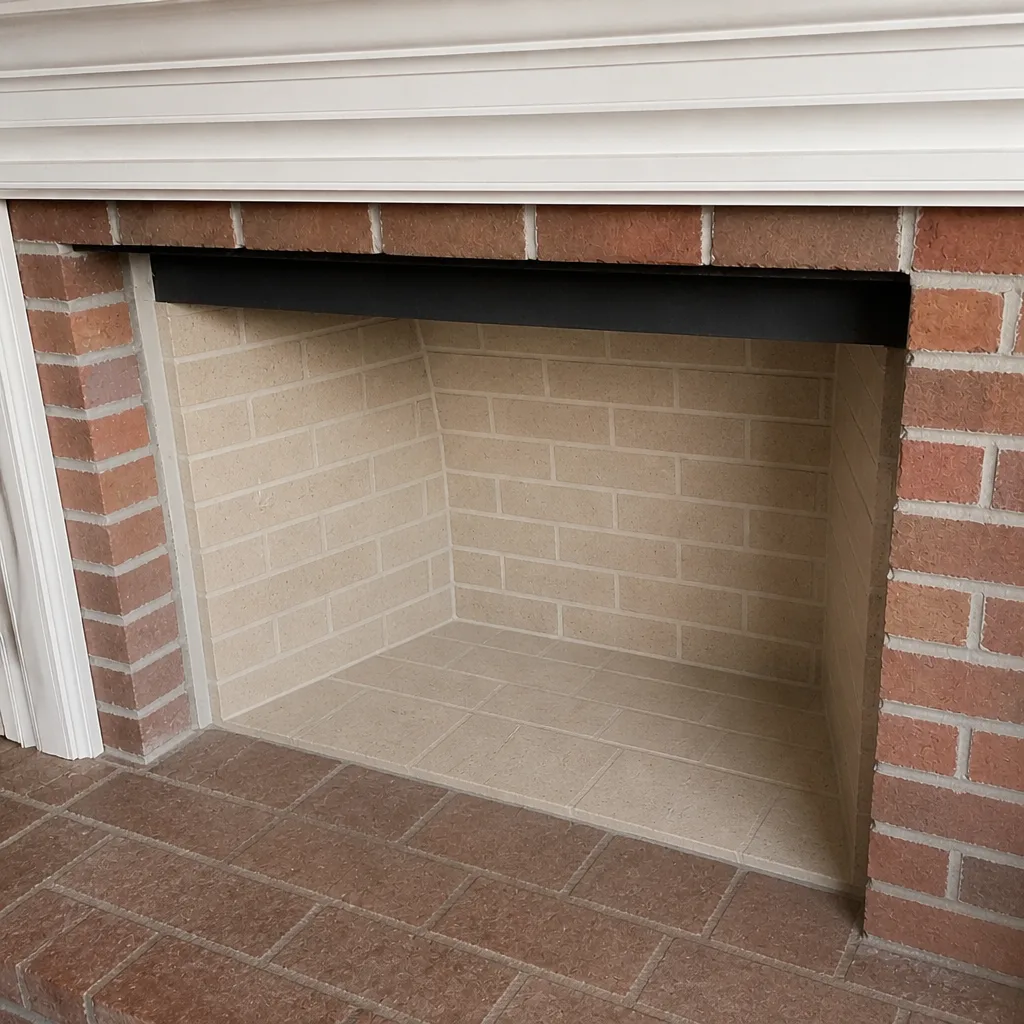
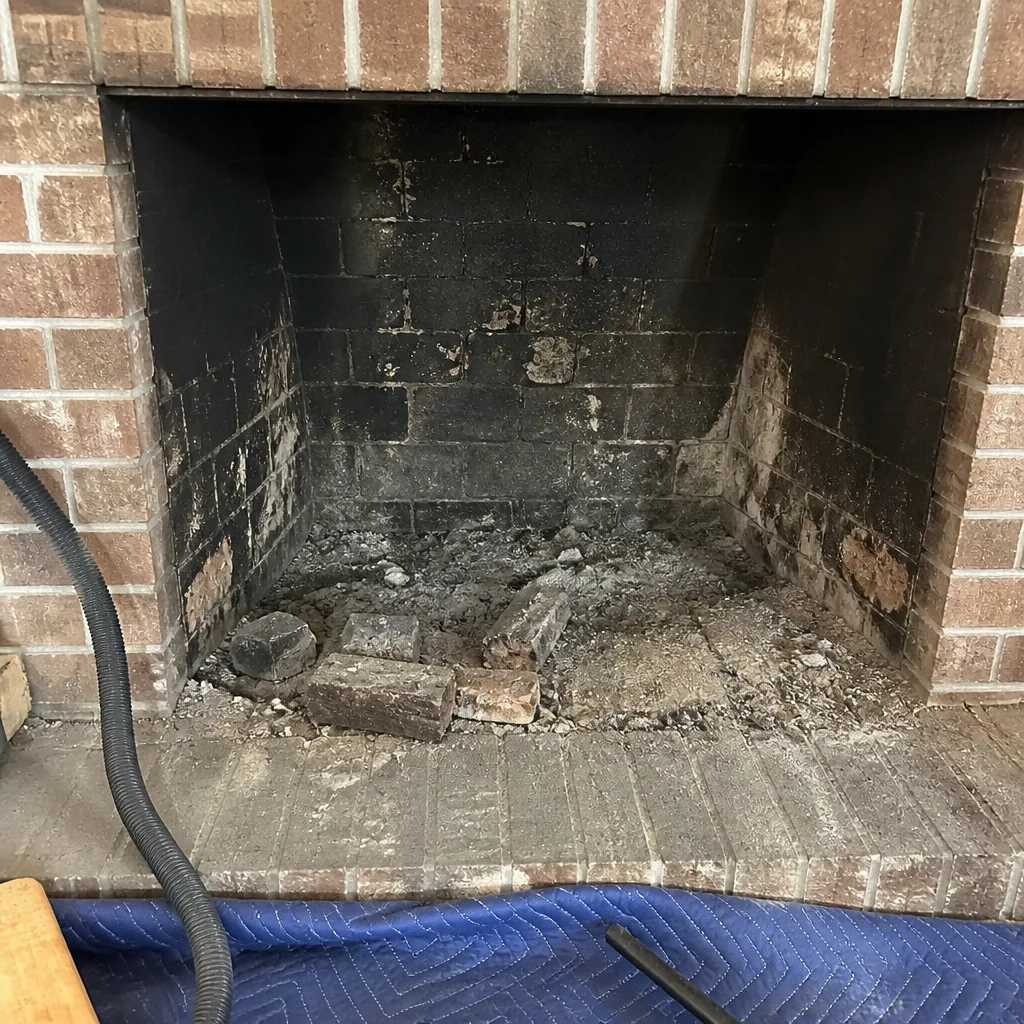
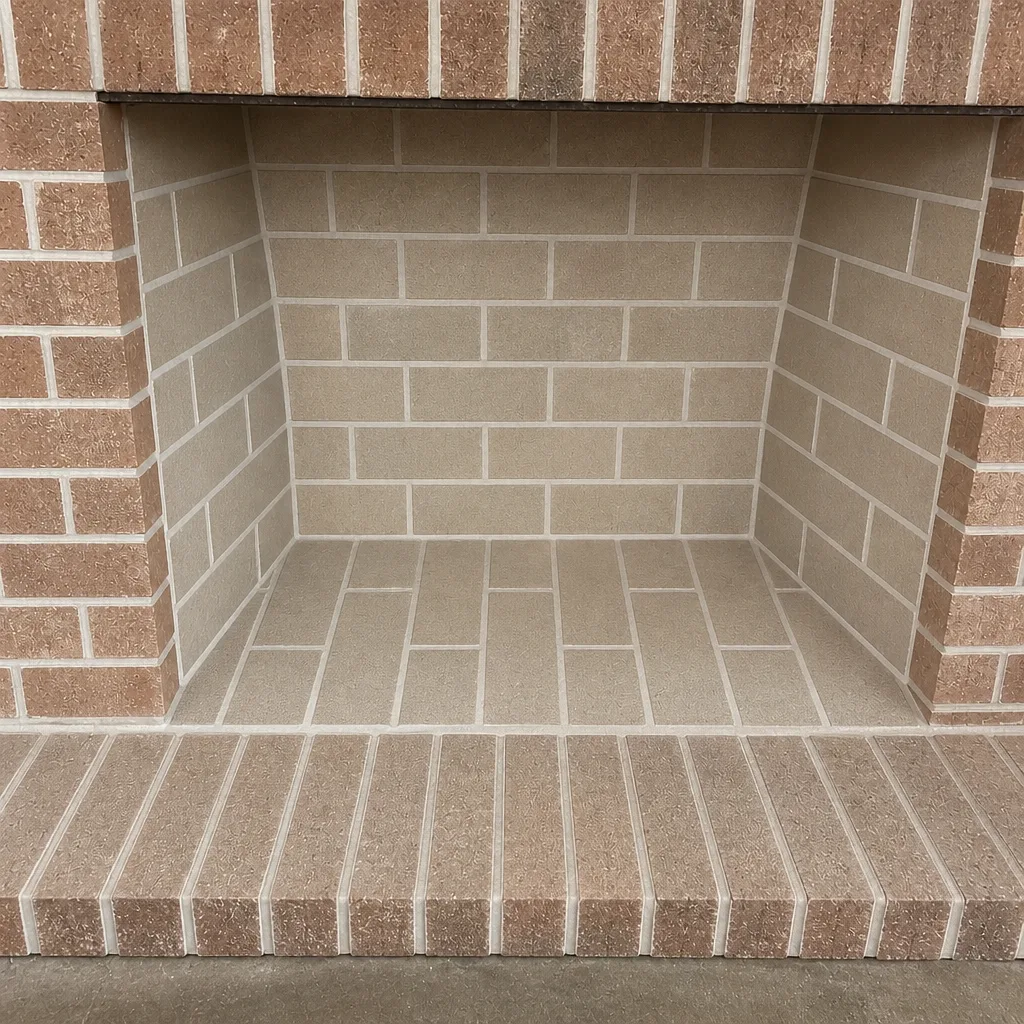
See the difference
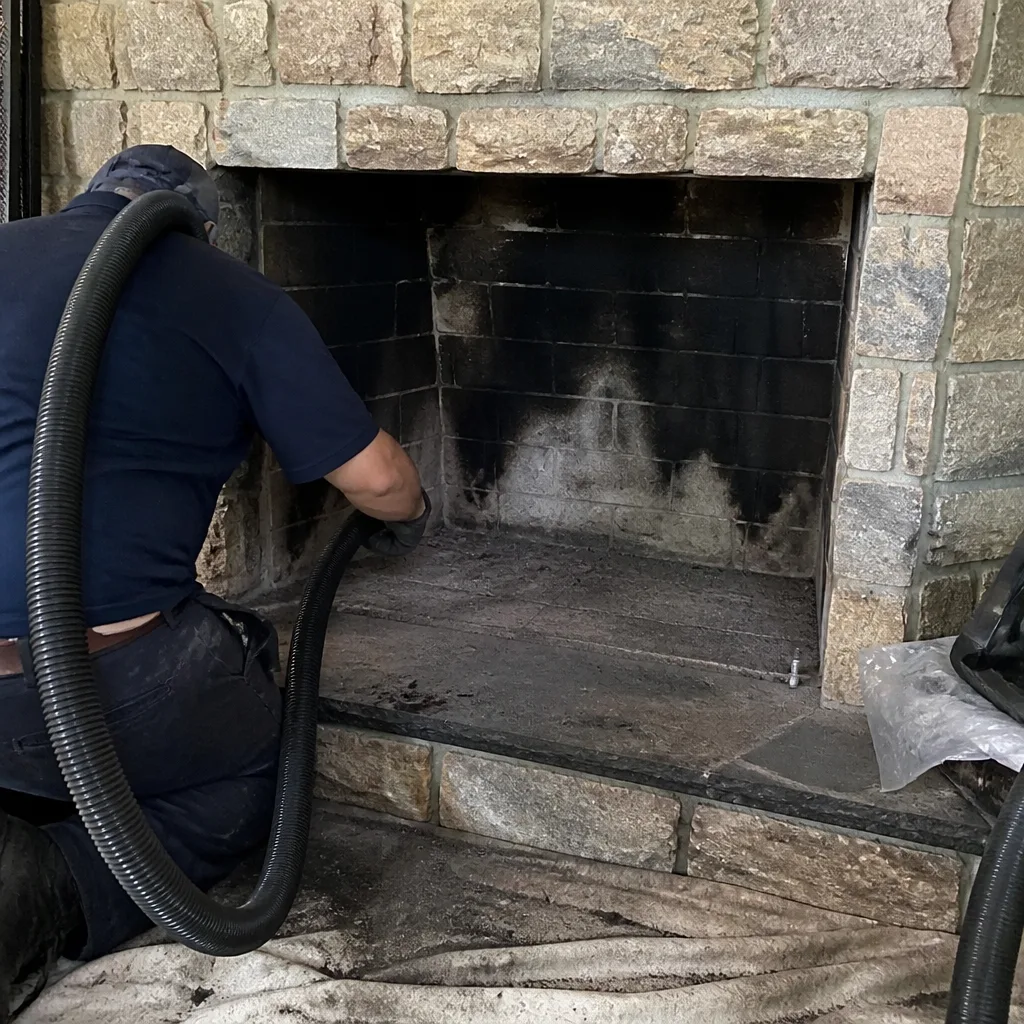 Before
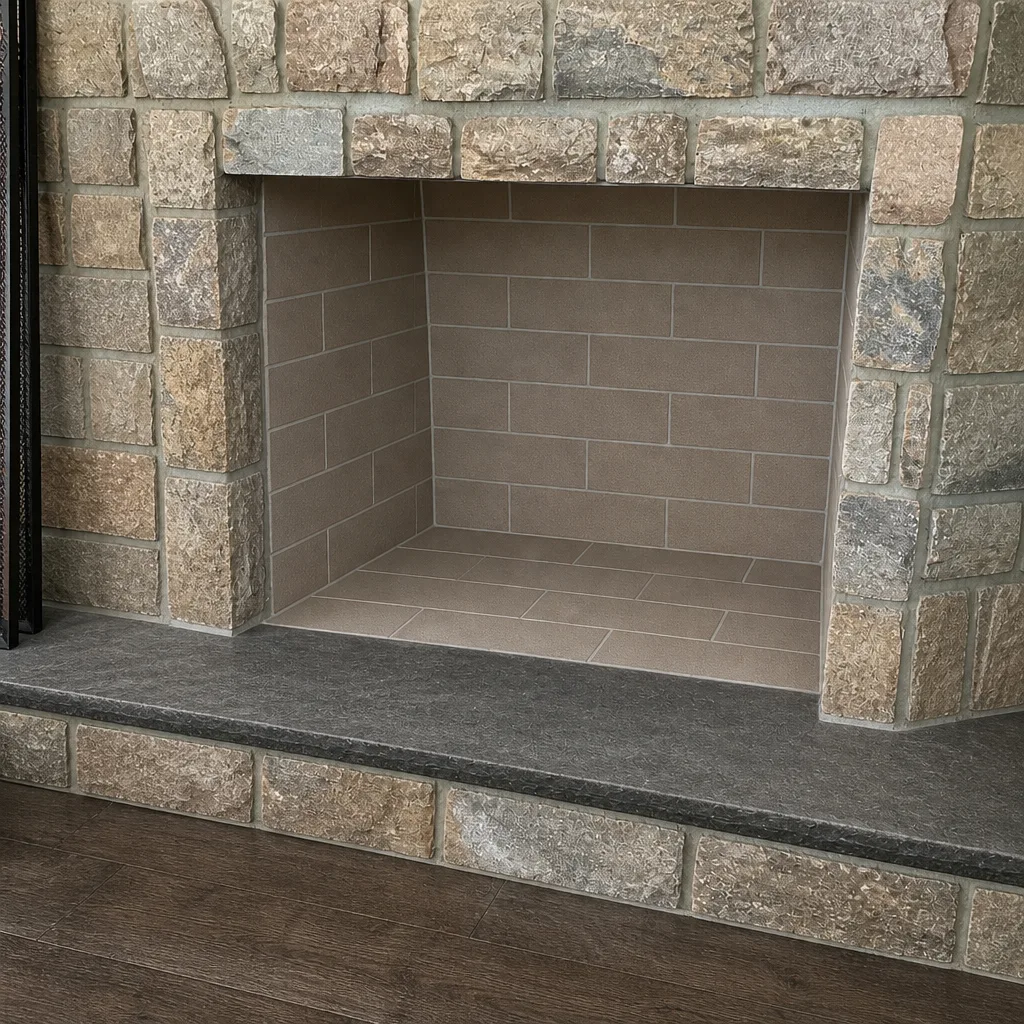 After
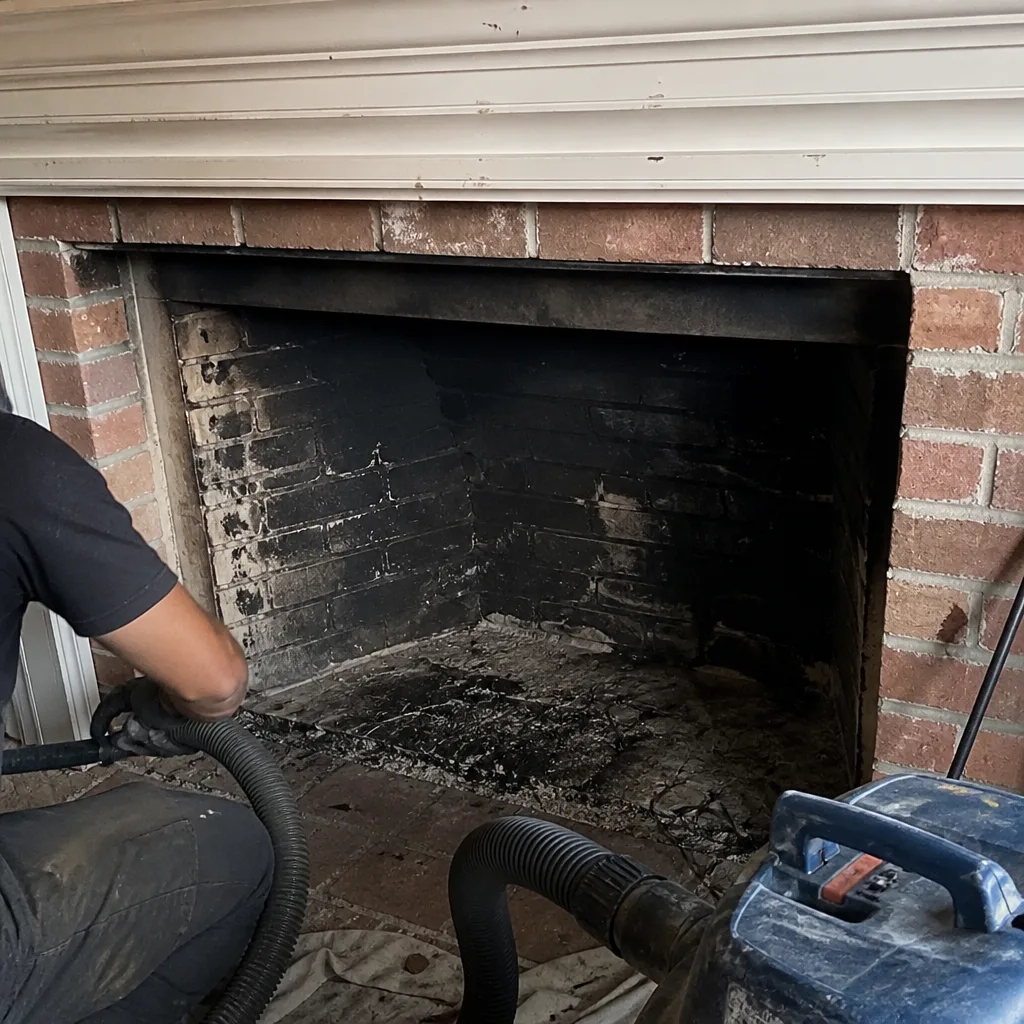 Before
 After
 Before
 After
When to Call a Professional
Some chimney care is watchful and seasonal. Some of it needs trained hands and the right tools. Call a professional when you notice persistent smoke rollback, a sour odor that doesn’t clear, visible soot or staining, or storm damage to the crown, cap, or flashing. Book a full visit before burn season even if nothing seems wrong; a camera inspection confirms the flue’s condition and shows you what’s there. Structural repairs – relining with a DuraFlex system, or resurfacing a damaged flue with HeatShield – are not homeowner projects, and neither is anything involving working at height on the roof or handling deteriorated flue components. That’s genuinely dangerous work for a trained professional with the right equipment. Brandon Chimney Sweep offers free estimates in Brandon. Call (866) 501-5479. We answer 24/7. Fast dispatch from 7am to 7pm, Sunday through Friday. Our technicians have up to 10 years of experience, and we work with professional chimney-industry brands so the repair matches the flue system.
Frequently Asked Questions
For most homes with an actively used fireplace, once a year is the baseline, and the right time here is the pre-season window in October and November. If you burn frequently or notice creosote building up, check more often. The local twist is timing: the annual cleaning should land after rainy season, not in the middle of winter.
Summer combines dormancy with rain and humidity, which is the worst pairing for a flue. Wind-driven rain gets past worn caps and flashing, debris and nesting animals collect while the chimney sits unused, and creosote left from the previous season absorbs moisture. The damage builds quietly until an October inspection finds it. Call (866) 501-5479 for a free estimate on any repair it turns up.
Yes, and it’s one of the more misunderstood local issues. Draft depends on the temperature difference between the flue and the outside air. On a warm Brandon day that difference shrinks and the draw weakens, so a fire that burns cleanly in the evening can smoke in the afternoon. If the problem happens consistently, though, get it inspected.
A proper inspection covers the flue interior, creosote level and type, firebox and smoke chamber, damper operation, and the exterior crown, cap, and flashing. A camera inspection shows the inside of the flue and produces a photo record. That matters because you should be able to see the evidence for any recommended repair yourself, not just take it on faith.
Yes, though most homeowners skip it. Sweep off the season’s creosote so it doesn’t sit through the humid months, confirm the cap is secure, check the crown and flashing, and close the damper. This spring close-up protects the flue through eight months of Florida heat, rain, and dormancy.
Creosote builds in the flue, and in a humid climate it also absorbs moisture, which accelerates damage to masonry and metal. Debris and nests narrow the passage. The risks that follow are chimney fires from accumulated creosote and carbon monoxide if a blocked or damaged flue can’t vent properly. None of it is worth skipping. An annual visit keeps it in check, and a call to (866) 501-5479 covers inspection, cleaning, and repair.
The Bottom Line
Brandon’s chimney seasons don’t match the northern calendar most advice assumes. The real rhythm is rainy season protection from May through September, a pre-season cleaning and inspection in October and November, careful monitoring through the short burn season, and a proper spring close before eight months of dormancy. Get each window right and the chimney stays safe and ready year-round. Get them wrong and the wet season does its quiet work while the fireplace sits cold. A year-round approach built on this local rhythm, handled by a specialist, protects the flue and the home. For inspection, Brandon Chimney Sweep services, and repair across Brandon, call (866) 501-5479. We answer 24/7. Fast dispatch from 7am to 7pm, Sunday through Friday. Estimates are free, and the written estimate sets the final price.
Written by the team at Brandon Chimney Sweep.