
Last updated November 15, 2026
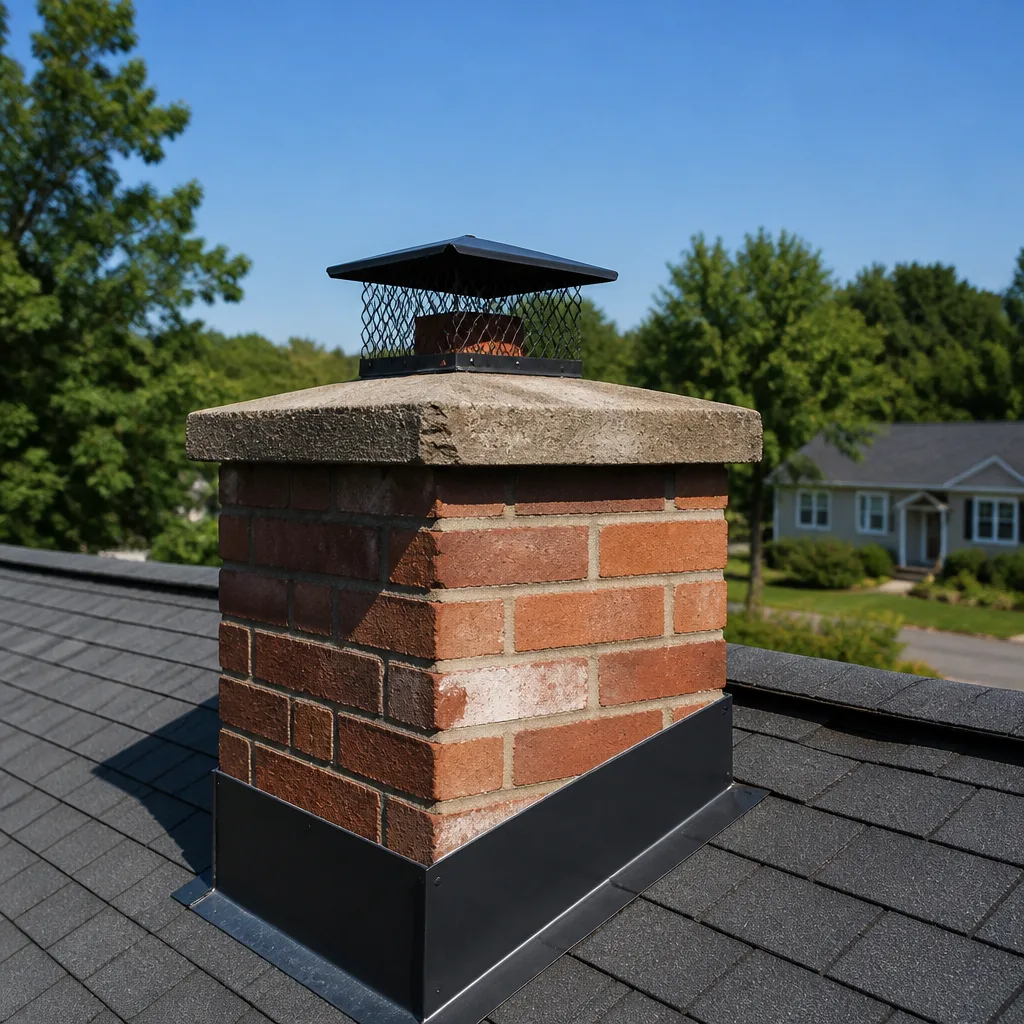 Sweep & inspection
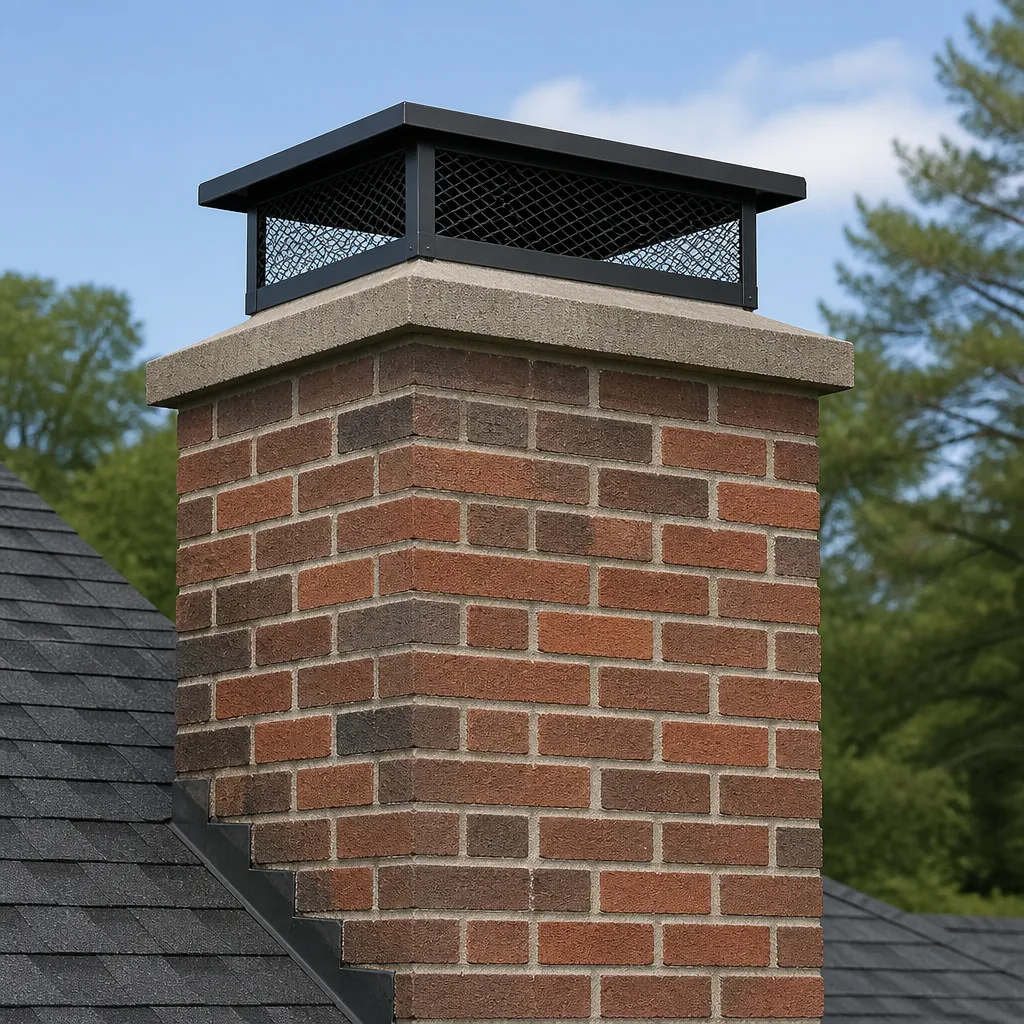 Caps & crowns
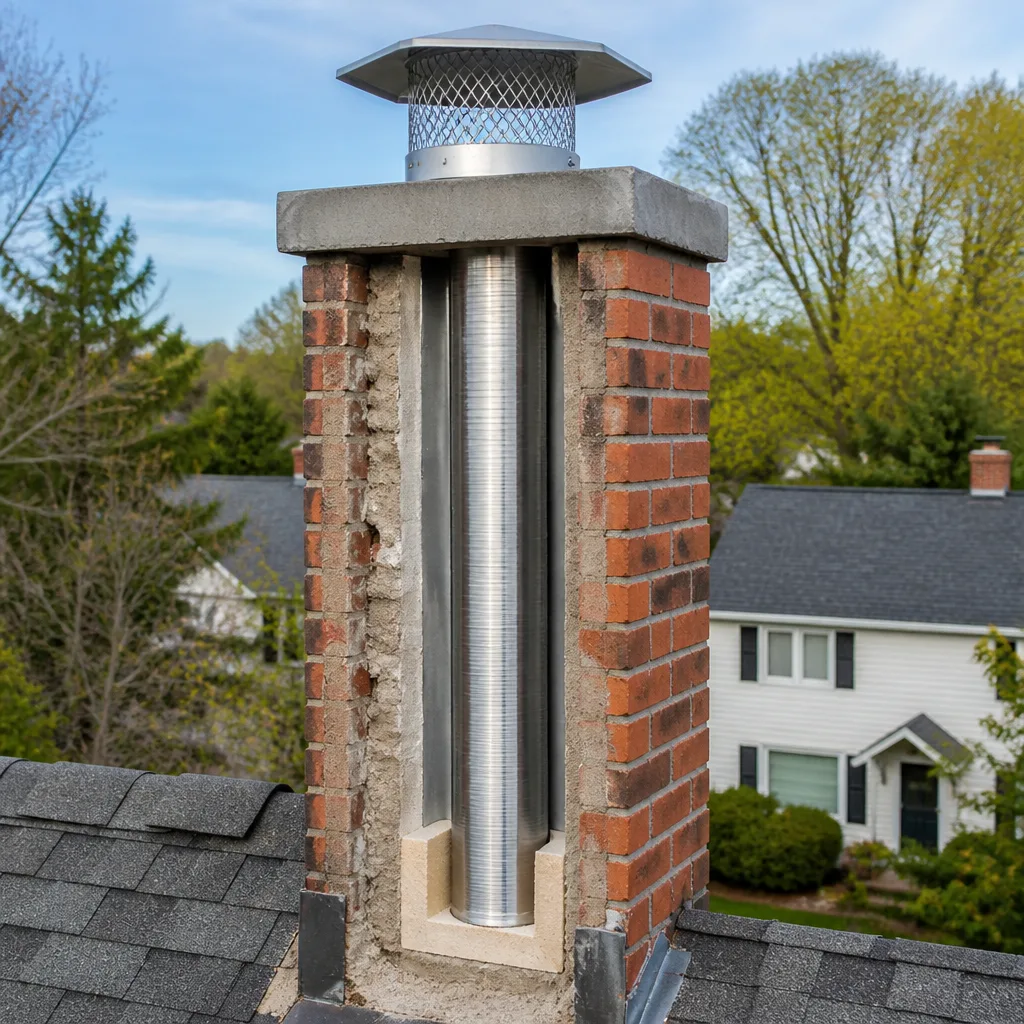 Flue relining
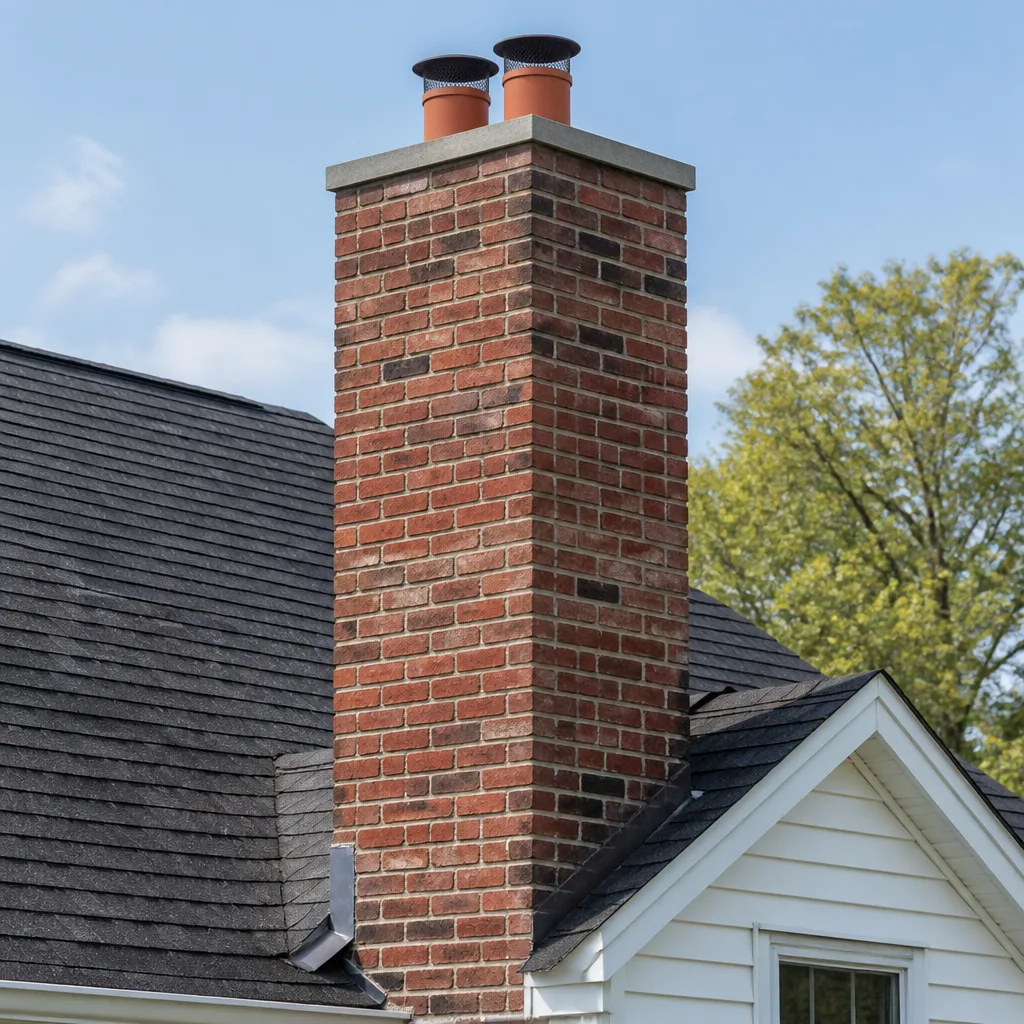 Masonry repair
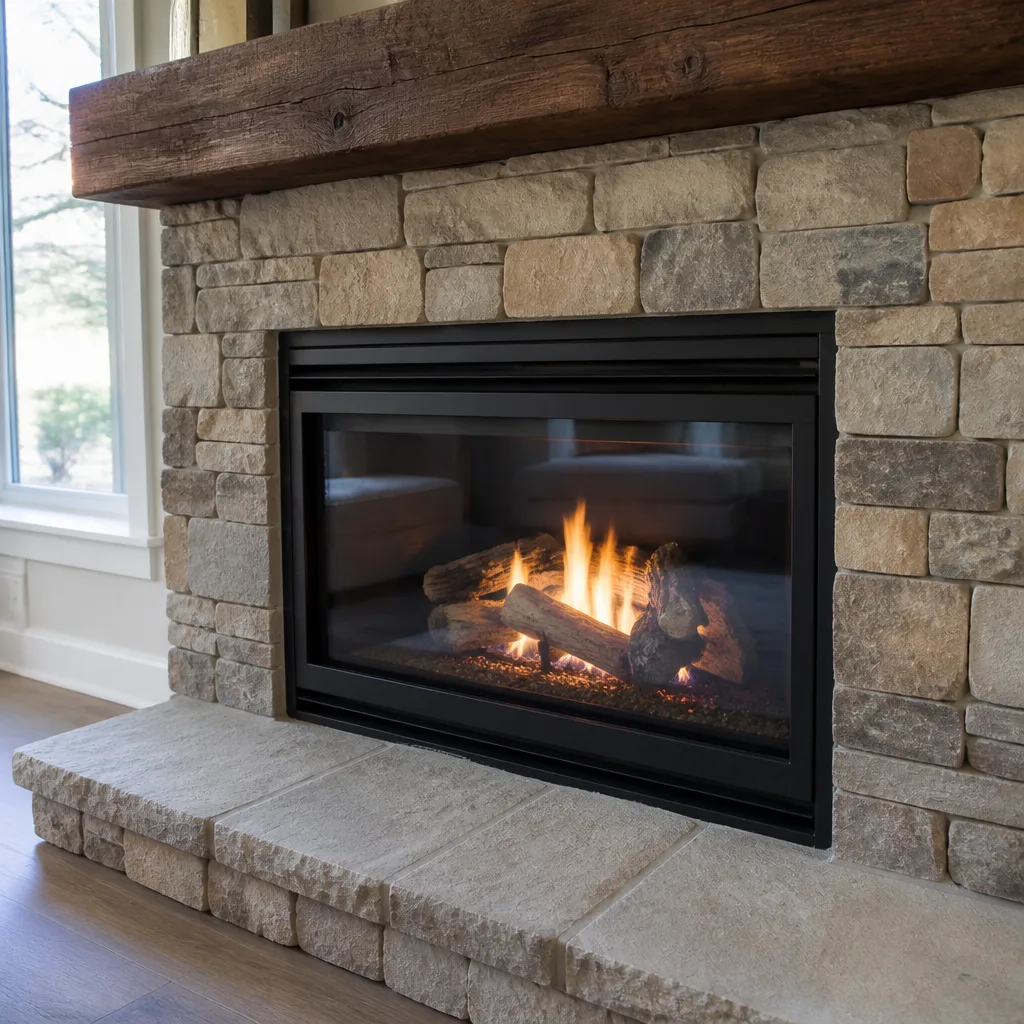 Gas fireplace service
Level 1 sweep and inspection to the NFPA 211 annual standard - flue, crown, cap, and flashing checked and photographed
Chimney sweep logs do not sweep chimneys. They loosen some creosote - which then falls where a brush and vacuum still have to collect it.
Chimney Cleaning Permits, Codes & Inspections in Brandon, FL: What You Need to Know
Almost every homeowner we talk to in Brandon assumes the permit question ends with the sweep. It doesn’t. A cleaning is maintenance. A relining job, a rebuilt crown, a new chase cover, a flue resurfacing with HeatShield: those move into different territory under the Florida Building Code, and the paperwork that does or doesn’t exist can follow a house for years. The part most people miss is that this isn’t about passing an inspection on the day of the work. It’s about what shows up in a county records search when a buyer’s inspector starts asking questions. This guide walks through where the line sits, how the rules actually get applied in Brandon, and what to do if you inherit unpermitted work from a previous owner.
Quick Answer
Routine chimney sweeping and a Level 1 visual inspection in Brandon generally require no permit. Structural work on the chimney system – relining, crown reconstruction, firebox repair, major flashing replacement, or flue resurfacing – typically falls under Florida Building Code permit requirements and is reviewed by Hillsborough County’s building department as the authority having jurisdiction. NFPA 211 is the technical standard that code compliance is built on, and a record of permitted work protects you during a home sale or insurance claim.
Styles & brands we work with
- Sweep & inspection
- Caps & crowns
- Flue relining
- Masonry repair
- Gas fireplace service
Table of Contents
- Maintenance versus repair: where the permit line actually sits
- How Florida Building Code Section 1001 applies to chimney systems
- NFPA 211: what it really requires versus what contractors claim
- How the Hillsborough County AHJ reviews chimney work
- What a chimney inspection looks like, step by step
- How permit history surfaces during a home sale
- Handling unpermitted prior chimney work
- Why Brandon’s climate and housing stock shape the rules
Maintenance versus repair: where the permit line actually sits
The distinction comes down to whether the work changes the structure, the venting capacity, or the fuel-burning appliance’s connection to the flue. Cleaning removes creosote and soot from a system that stays as it is. Repair alters the system. That’s the short version. In practice, the middle ground is where homeowners get confused, so let’s separate the categories.
Work that is maintenance and needs no permit:
- A standard chimney sweep, meaning brushing and vacuuming the flue
- A Level 1 inspection, which is a visual check of accessible portions of the system
- Removing a bird nest or debris blockage from the flue
- Replacing a chimney cap with an identical unit
- Tightening or resealing an existing cap where no structural change is made
Work that is typically treated as repair or alteration:
- Installing a new flue liner, including a DuraFlex stainless liner system
- Resurfacing a damaged flue with HeatShield
- Rebuilding a chimney crown, chase, or the masonry above the roofline
- Replacing firebox panels or the damper assembly
- Replacing flashing at the roof penetration with new Gelco or Famco components
- Adding a wood-burning insert or changing the appliance connected to the flue
In our experience, homeowners are often surprised by the second list. A cap swap feels minor, a crown rebuild feels major, and a flashing job feels like roofing. In Hillsborough County, if the work touches the building envelope or the venting system in a structural way, assume it goes through permitting until the building department tells you otherwise. The right move is to ask before the work is scheduled, not after.
How Florida Building Code Section 1001 applies to chimney systems
Chapter 10 of the Florida Building Code, anchored by Section 1001, sets the general requirements for chimneys and vents. It’s short on specifics and long on references. It establishes that chimneys, fireplaces, and vents must be installed and maintained according to recognized standards, and it points to the technical standards that fill in the details. That’s how the code is structured across the board – the code says “do it correctly,” the referenced standard defines what “correctly” means.
For chimney work in Brandon, that reference chain leads to NFPA 211. The practical effect is this:
- The Florida Building Code is the legal instrument that governs whether a permit is required and what inspection must happen.
- NFPA 211 is the technical standard the code defers to on matters of venting, clearances, flue sizing, and materials.
- Hillsborough County’s building department is the authority having jurisdiction (AHJ) that interprets both when reviewing a permit application and conducting inspections.
- The contractor doing the work must know the chain, because the plan reviewer will.
What Section 1001 does NOT do is provide a clean checklist for every repair. It won’t tell you whether replacing a single cracked firebox panel requires a permit on its own. That call belongs to the AHJ. In our experience working with Brandon Chimney Sweep customers, the reliable approach is to ask the building department directly whenever the scope is ambiguous, and to have the contractor present that question rather than the homeowner. The answer you get from the counter is more useful than the answer you’d find searching forums.
What the code does clearly establish is that once a permit is pulled, the full inspection process applies. That means an inspection of the work in place, and often a final inspection after the applicable test. Skimping on that step because “it’s just a liner” is exactly the pattern that creates a paper trail problem later.
NFPA 211: what it really requires versus what contractors claim
NFPA 211 is the Standard for Chimneys, Fireplaces, Vents, and Solid Fuel-Burning Appliances. It’s the document that dictates flue sizing, clearance to combustibles, wall thickness, liner material requirements, and inspection levels. It’s also the standard most commonly invoked inaccurately by contractors trying to sell work a homeowner doesn’t need.
Here’s what NFPA 211 actually covers in a residential setting:
- Inspection levels. The standard defines Level 1 (visual, accessible portions), Level 2 (includes a camera inspection of the flue interior), and Level 3 (investigative, may require opening walls or removing components). A cleaning is not automatically a Level 2. A Level 2 is required after a chimney fire, after a change of appliance, or during a real estate transaction.
- Clearance to combustibles. Interior chimneys require specific clearance from framing. Exterior chimneys have their own rules. A “zero clearance” label on an appliance is not the same as zero clearance for the chimney itself.
- Flue sizing. The flue must be sized to the appliance. A flue too large for a wood-burning stove drafts poorly; a flue too small for a fireplace smokes. Both are code issues, not comfort issues.
- Liner requirements. A lining is required in most circumstances and must be listed for the application. A field-fabricated fix is not equivalent to a listed liner system.
What NFPA 211 does not require: a liner replacement every time a flue shows any void, a full rebuild whenever the crown has a crack, or a camera inspection every year regardless of history. Those are sales pitches dressed up as code requirements. In our work we see them made often enough that we’ve gotten direct about it – the standard exists to set the technical floor, not to justify a quote.
Where chimney repair pricing and scope questions come up, the right framing is: what does the standard require for THIS system, in THIS condition, in THIS house? A flue that passes a Level 2 camera inspection with minor surface spalling doesn’t need a new liner. A flue with a visible gap in the mortar joints does. The difference is visible on the camera footage, and that footage should be shared with the homeowner, not just described.
How the Hillsborough County AHJ reviews chimney work
Hillsborough County’s building department functions as the AHJ for chimney permits within its jurisdiction, which includes Brandon. AHJ review is where the code meets reality. The reviewer looks at the scope, the product, and the listed installation instructions, and decides what inspection will be required at what stage.
The process generally runs like this:
- Scope review. What is being changed, added, or replaced? The permit application describes the work in terms the reviewer can verify against the standard.
- Product documentation. Listed product systems come with installation instructions and a listing report. A DuraFlex liner system is reviewed against the manufacturer’s listed details, not against a generic “install a liner” description. The same applies to listed flashing and cap components from Gelco or Famco.
- Plans and details. For most chimney work that doesn’t involve structural alteration of the roof structure, a one-page scope drawing with product cut sheets is usually enough. For anything that changes framing or the roof envelope significantly, the AHJ may require more.
- Inspection schedule. Rough-in inspection if concealed work is involved, final inspection after the work is complete. The inspector verifies that what was installed matches what was permitted.
- Closeout. The permit is closed when inspection signs off. That closeout record is what shows up in a public records search years later, and it’s what a home inspector looks for.
We’ve found that the friction in this process is almost always upfront. A permit application with clear scope and product documentation comes back quickly. An application with a vague description and no listed product details stalls. The homeowner never sees this part, but it’s the reason we specify the right product for your flue system rather than substituting something generic – the paperwork only works when the material is documented.
If you’re doing work that could reasonably be read as repair, call the building department before scheduling. Ask the question in writing if you can. A short email to the AHJ stating the scope of work will get you an equally short reply in most cases, and that reply is worth keeping alongside your permit records.
What a chimney inspection looks like, step by step
An inspection is not one thing. NFPA 211 defines three levels, and knowing which one you’re getting is half the battle. Here’s the sequence in practice:
- Talk through the appliance history. What’s connected to the flue? Wood fireplace, wood stove, gas appliance, or multiple appliances? Each changes what the inspection should focus on and whether NFPA 211 requires a higher level.
- Exterior visual. Crown condition, cap condition, flashing at the roof penetration, masonry above the roofline, and the structure of the chase or stack. This is the part that most quickly raises a repair question.
- Interior firebox and damper check. The firebox panels, damper operation, smoke shelf, and the visible portion of the flue are examined before any cleaning starts.
- Cleaning. If the flue is heavy with creosote, the inspection footage is far more useful after cleaning. We sequence accordingly.
- Camera inspection of the flue. A camera run down the flue identifies damage that a visual inspection cannot see: spalled mortar, joint gaps, cracked tiles, voids behind the surface, and liner integrity.
- Photo report and written findings. The footage is captured and shared with the homeowner along with a written summary of what was seen and what, if anything, needs attention.
In our experience, the single largest trust gap in the chimney trade is the recommendation that can’t be verified. Camera footage closes that gap. If we say a liner is compromised, the homeowner can see it. If we say the flue is sound and the crown needs a reseal, they can see that too. We don’t recommend work without camera evidence – not because we’re being cautious, but because that evidence is the only thing that turns a recommendation into something a homeowner can actually evaluate.
For a Level 1 inspection, which is often what a routine sweep includes, the scope is limited to accessible portions of the system without a camera. That’s appropriate for a system with no history of issues. The moment a chimney fire has occurred, an appliance has changed, or a home is about to be sold, the standard calls for a Level 2, which includes the camera.
How permit history surfaces during a home sale
Real estate transactions are where unpermitted chimney work goes from an abstract concern to a very real problem. Here’s the sequence a buyer’s inspector typically follows:
- Pull the permit history. Most inspectors and buyers’ agents pull the current public permit records as a matter of course. A newer liner or crown that doesn’t show up in the records raises a flag.
- Ask for the disclosure. Florida requires sellers to disclose known defects. If the seller knows that a liner was replaced without a permit, they generally have an obligation to disclose the unpermitted work.
- Inspect the chimney system. A Level 2 chimney inspection is standard for a home purchase, because NFPA 211 calls for one whenever a change of ownership is involved.
- Flag the discrepancy. If the inspection finds newer materials not matching the permit record, the buyer’s inspector flags the work as possibly unpermitted and requests documentation from the seller.
- Negotiation or remediation. Depending on the market, a buyer may ask for a discount, ask the seller to permit the work retroactively, or walk. In tight markets this gets resolved quickly; in slow markets, unpermitted work can sit on the transaction for weeks.
The punchline: the cost of the permit is small relative to the cost of a disclosure issue. A permit is a known line item. An unpermitted liner is a negotiable item with a buyer who now has leverage. We’ve seen homeowners in Brandon learn this lesson years after the fact, when the sale was the first time anyone looked closely at the paper trail.
Insurance is the second reviewer. Many homeowner policies contain clauses that condition coverage on code-compliant construction. If a chimney fire damages the structure around an unpermitted liner, the claim is significantly more complicated. The insurer doesn’t ask whether the work was done well – they ask whether it was permitted and inspected. A permit closeout record is the document that answers that question.
Handling unpermitted prior chimney work
If an inspection uncovers work that appears to have been done without a permit, the news isn’t always bad. Many unpermitted installations are nonetheless structurally sound. What changes is the documentation path, and how you handle it matters for both the sale of the home and your insurance.
- Document the current condition. A Level 2 camera inspection with photo and video documentation establishes what actually exists now, independent of what the permit records say. That baseline is the starting point for everything that follows.
- Identify what the work is. Was a liner installed? Was the crown rebuilt? Was flashing replaced? Each has its own retroactive permit process. Some can be permitted after the fact with a documented inspection; others may require opening a portion of the work for verification.
- Call the AHJ with the specifics. Hillsborough County’s building department will tell you what’s required to retroactively permit prior work. Some work can be documented and closed out. Some can’t. The distinction matters before you commit money to remediation.
- Have a contractor assess code compliance. A contractor familiar with current code requirements can tell you whether the work as installed meets the technical standard under NFPA 211. If it does, retroactive permitting is usually straightforward. If it doesn’t, you’re looking at a repair before a permit can be issued.
- Do the remediation if required. When a prior installation fails on safety or code grounds, the repair happens first, then the permit is pulled for the current work. This is the only sequence that closes the loop cleanly.
- Keep the records together. The inspection report, the photo documentation, the permit application, and the closeout record should all live in the same folder as your home records. Future buyers, insurers, and inspectors will want to see the sequence.
What we don’t recommend: ignoring it and hoping no one notices at sale. The inspector will notice a newer liner next to a permit record that doesn’t mention it. The conversation goes better if you’ve already resolved the issue. And if the prior work was done correctly, most of the time the resolution is paperwork rather than a second construction project.
In our experience, the case where unpermitted work actually needs to come out is less common than the case where it just needs documentation. That’s worth keeping in mind when a buyer’s inspector starts raising concerns – the answer is often a Level 2 inspection plus a retroactive permit, not a demolition.
Why Brandon’s climate and housing stock shape the rules
Brandon sits in a part of Hillsborough County where the practical chimney issues are driven by the climate and the housing stock. Winters are mild here, which changes how fireplaces get used and, in turn, what kind of damage a chimney is likely to have accumulated.
Here’s how that shows up in the field:
- Intermittent use means dormant damage. A fireplace that runs a handful of evenings a year in Brandon doesn’t build creosote the way a colder-climate fireplace does, but it does sit idle for months. Cracks and gaps that would be caught on a steady-use schedule can go unnoticed for longer. Inspections matter more, not less.
- Humidity and roof weather are the primary exterior enemies. The crown, the flashing, and the chase cover are what take the brunt of Florida rain. A crown with a hairline crack that would be a slow issue in a dry climate can drive water into masonry within a rainy season. This is where listed products matter – Famco chase covers and Gelco flashing components are purpose-built to hold up to this climate, not improvised sheet-metal fixes.
- Older Brandon neighborhoods have original chimney stock. Homes in established areas of Brandon often have original masonry chimneys from their build years, and the flue tiles in those systems reflect standards of the era they were built to, not current NFPA 211 requirements. A Level 2 inspection on an older chimney in Brandon is the surest way to know what you’re dealing with.
- Newer build conversions. Homes that have had wood-burning fireplaces converted to gas inserts, or stoves installed on what were originally fireplace flues, often have unlisted venting connections that don’t show up in county records. A Level 2 inspection catches these quickly.
- No freeze-thaw cycle to worry about. The chimney here isn’t being worked by winter freeze – frost isn’t in the picture. The failures are moisture intrusion, UV degradation on caps and seals, and the slow spalling that comes with old masonry in a humid climate.
For anyone in Brandon working out whether a permit is needed, the practical guidance is: if the work is structural, if it changes the flue or venting connection, or if it touches the roof envelope, assume permitting is in play. That bears out across the housing stock here. Olympia Chimney components are commonly on the approved product lists in this market because they’re listed systems with documentation the AHJ can verify, which is what makes the paperwork side run smoothly.
Common Mistakes to Avoid
- Assuming all chimney work is permit-free because it’s “just maintenance.” Cleaning is maintenance. Relining, crown work, and flashing replacement are not. The two categories get blurred in homeowners’ minds because both get described as “chimney work” – the building department draws a much sharper line.
- Letting a contractor skip the camera because the flue “looked fine.” A Level 2 camera inspection is the only way to see the interior of the flue. Visual-only inspections miss spalled mortar, joint gaps, and voids behind the surface – and those are exactly the defects that turn into a permit-and-repair situation after a home inspection.
- Installing a liner without a permit to “save time.” The permit is a small line item; the disclosure problem is not. A liner installed without a permit becomes a negotiation point years later, at whatever market conditions prevail at that time.
- Trusting an NFPA 211 claim without asking which section. Contractors sometimes cite the standard to justify work it doesn’t actually require. Ask which specific provision the recommendation rests on. If the answer is vague, the recommendation is too.
- Treating a home inspector’s flagged “unpermitted chimney work” as a dead end. Retroactive permitting is often possible after a Level 2 inspection documents the current state. The path exists; it just requires someone who knows the process to walk it.
- Replacing a cap or flashing with hardware-store parts. Improvised caps and flashing don’t hold up to Florida rain, and they can’t be documented for a permit. Purpose-built components from Gelco and Famco are the right material for this climate and are what an inspector expects to see.
- Waiting until the home sale to think about the paper trail. Pull your permit record once every few years, especially if prior work was done by a previous owner. It’s cheap to fix early and expensive to explain under contract.
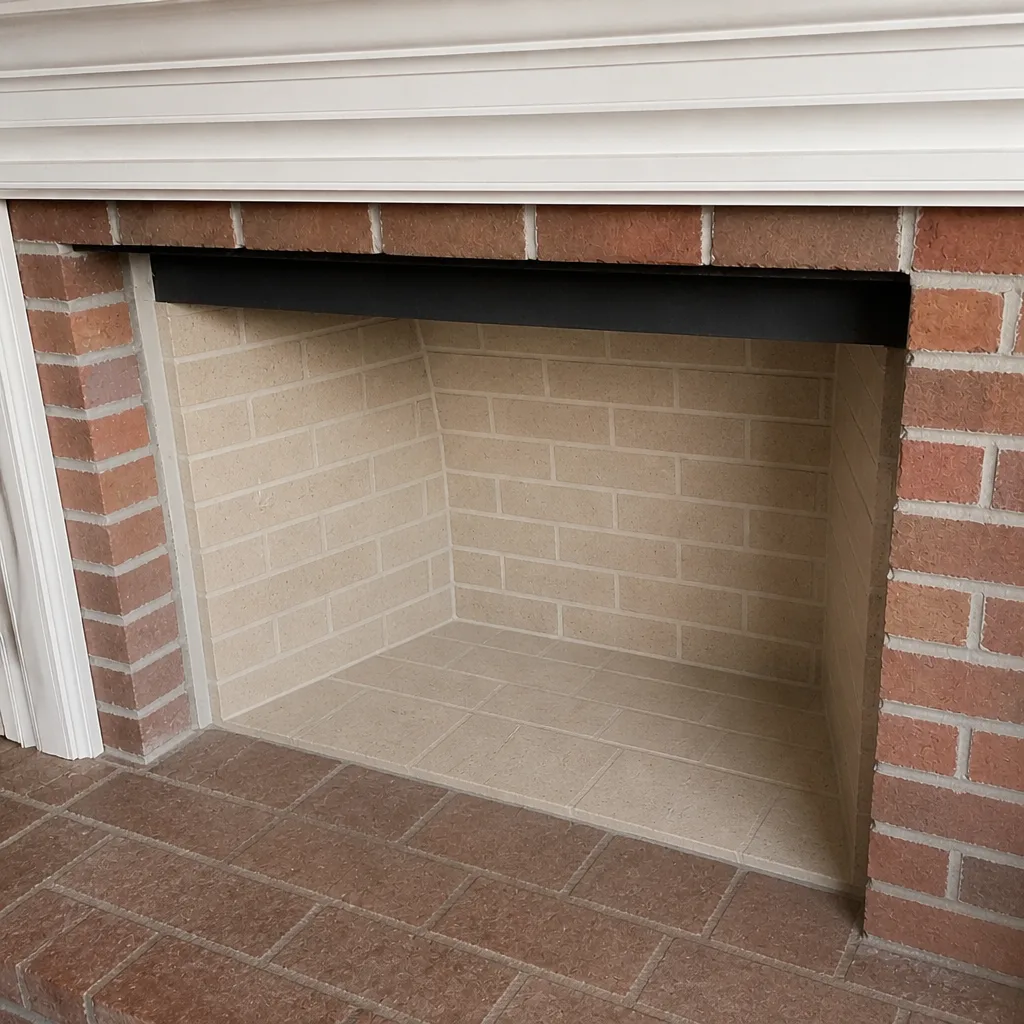
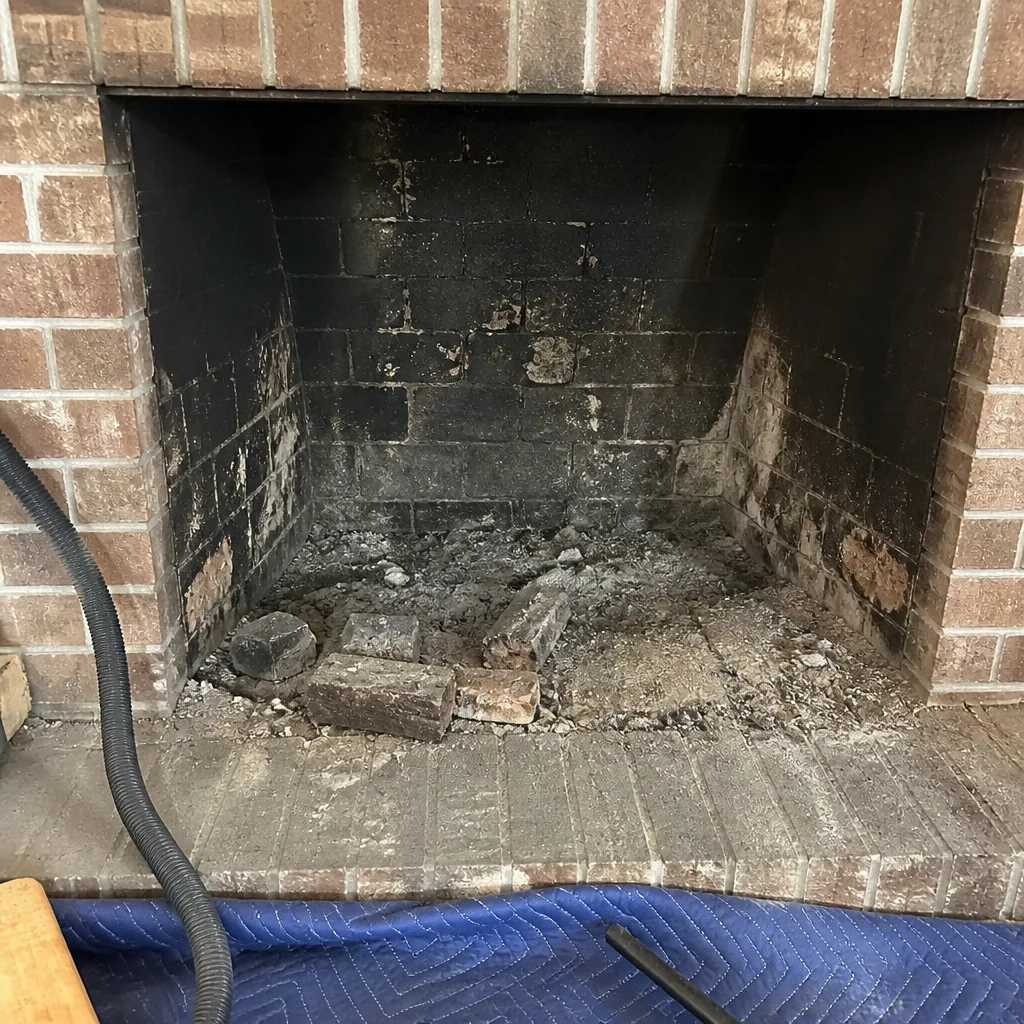
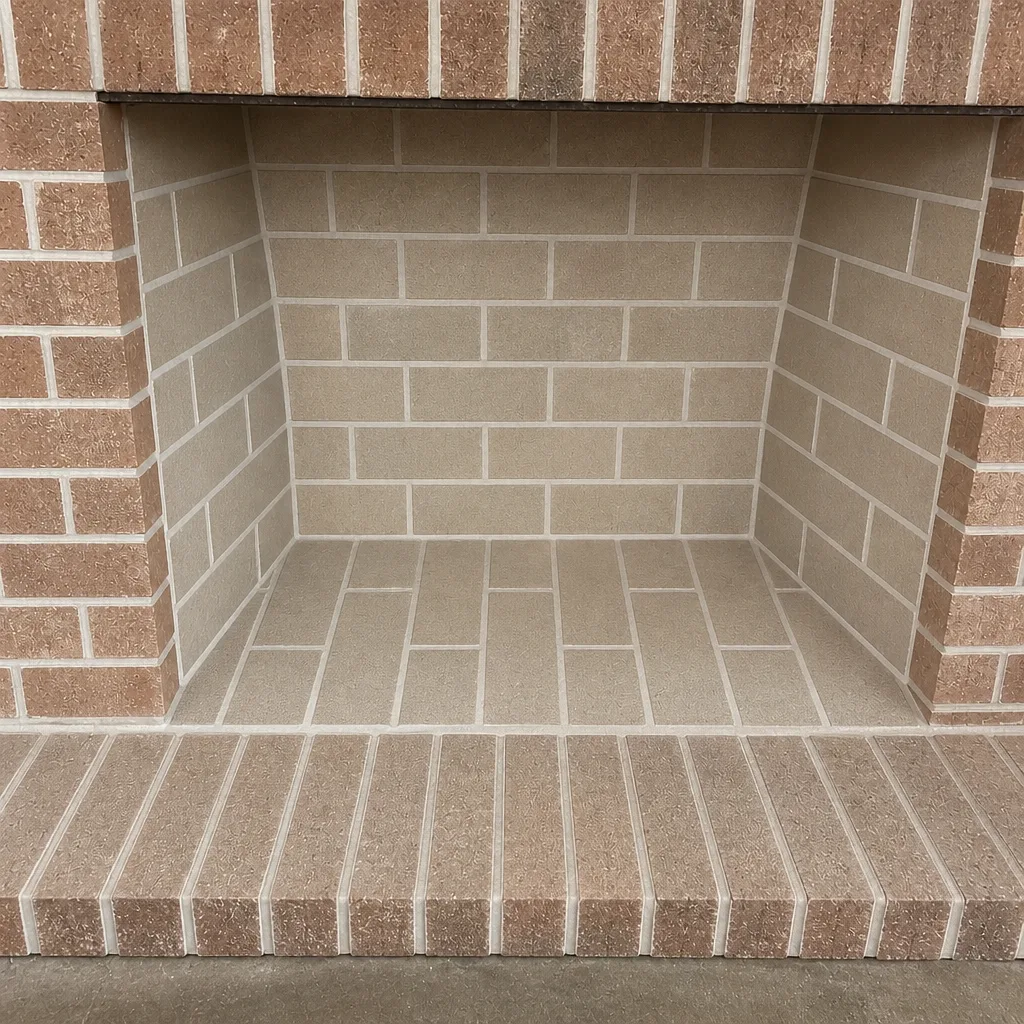
See the difference
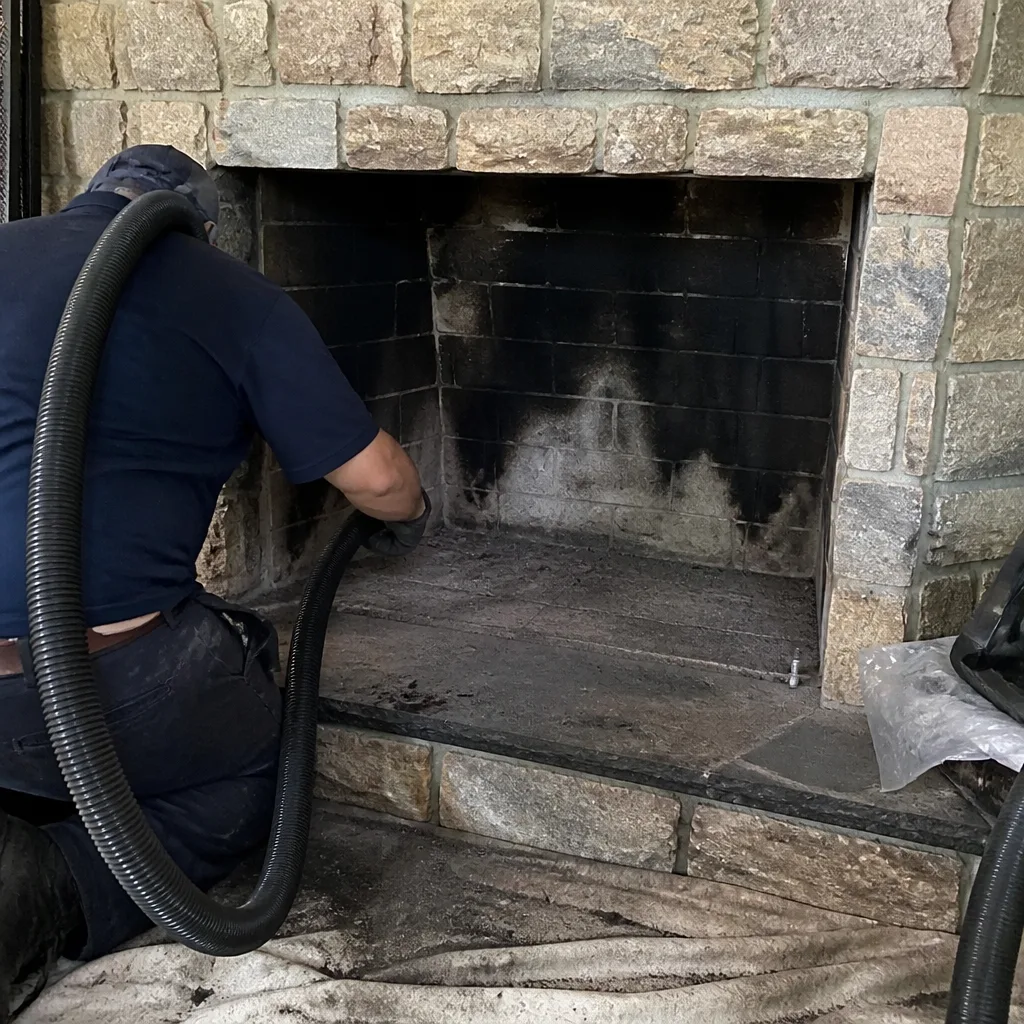 Before
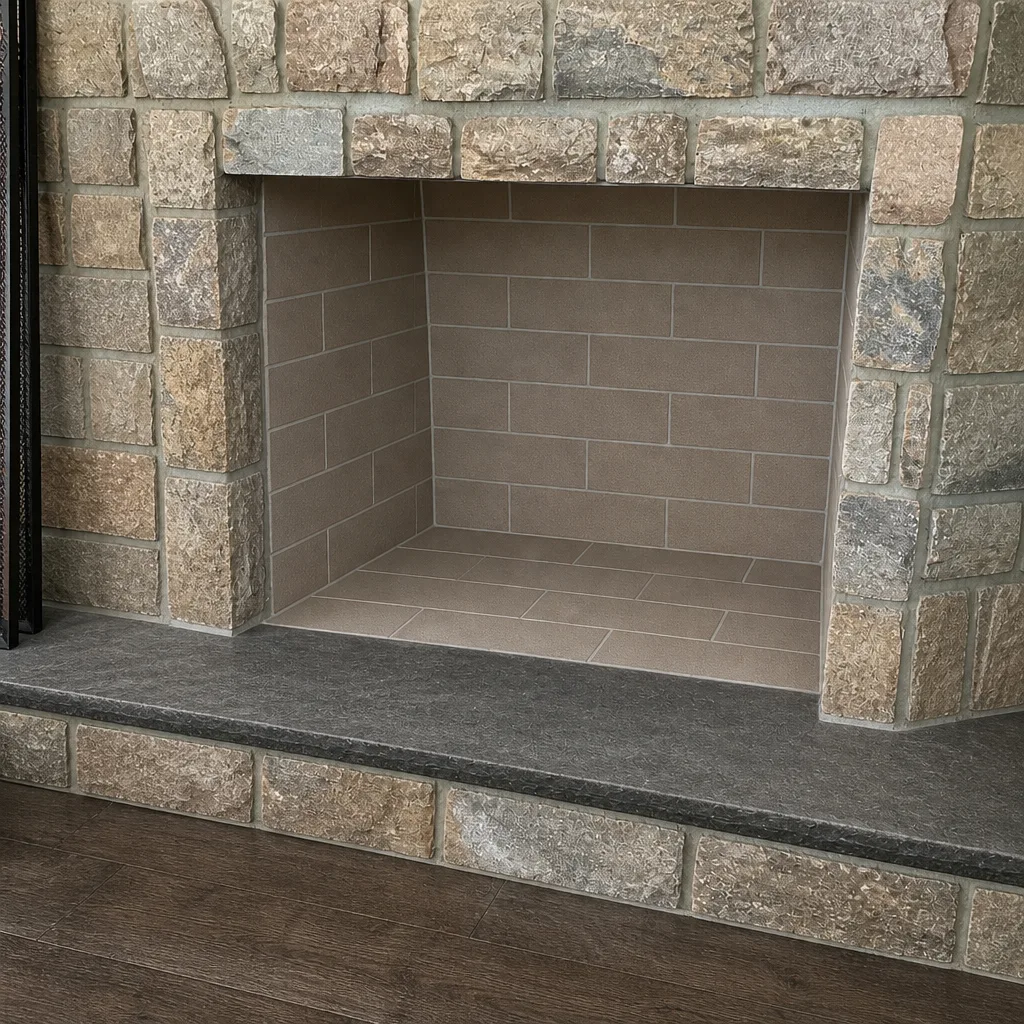 After
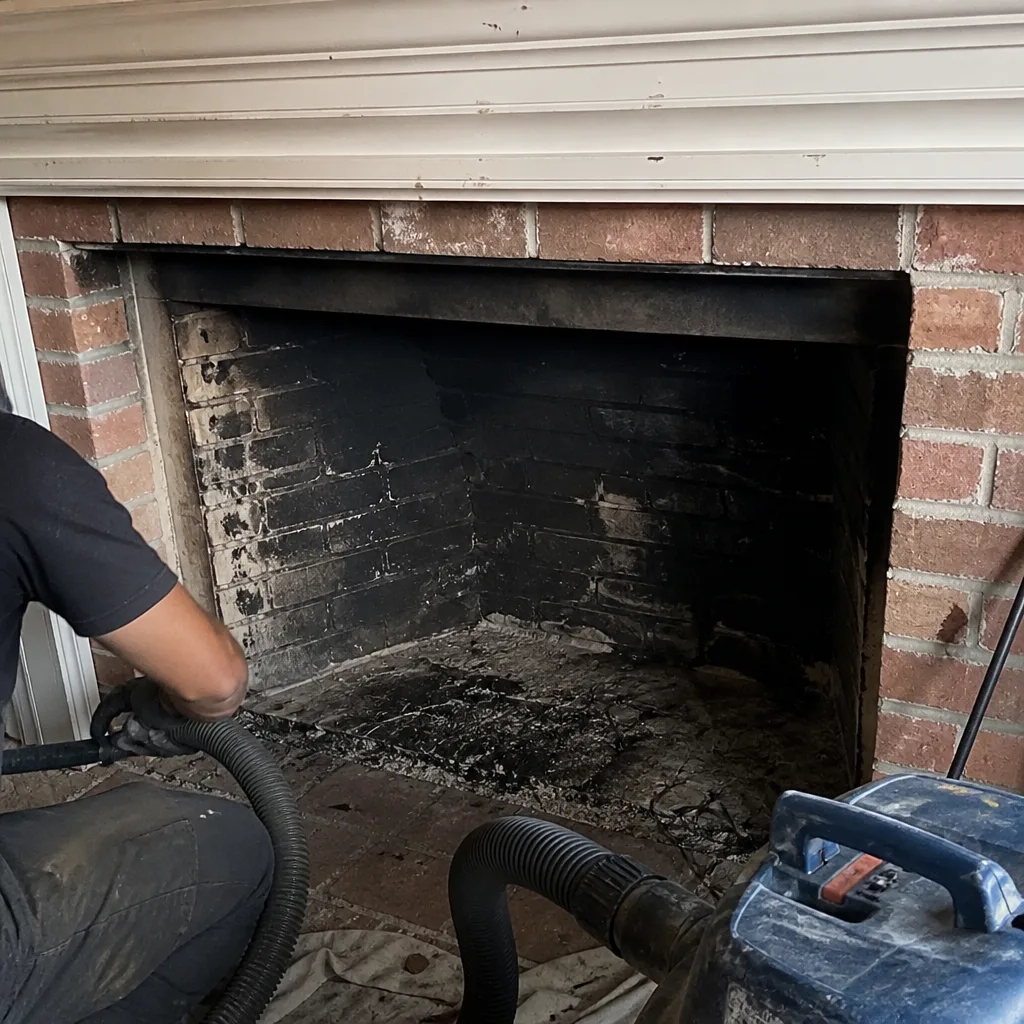 Before
 After
 Before
 After
When to Call a Professional
If any of the following applies, it’s time to bring in a specialist rather than guess at the answer:
- You’re buying or selling a home in Brandon with a fireplace or wood stove
- A previous cleaning or inspection flagged damage that hasn’t been documented
- There’s been a chimney fire, even a small one, at any point in the home’s history
- You’ve changed the appliance connected to the flue
- You’re being told a repair is needed but haven’t seen camera footage
- You’ve discovered prior work that doesn’t appear in the county permit record
A trained professional can determine what the system actually needs, what the code requires for the work, and what the permitting path looks like in Hillsborough County. Brandon Chimney Sweep offers free estimates in Brandon – call (866) 501-5479. We answer 24/7. Fast dispatch from 7am to 7pm, Sunday through Friday.
Frequently Asked Questions
No. A routine chimney sweeping is maintenance and does not require a permit in Brandon or anywhere else in Hillsborough County. The permit question only comes up when the work changes the structure, venting system, or fuel connection – relining, crown reconstruction, major flashing replacement, or appliance changes. If a contractor tries to tell you a sweep needs a permit, that’s the first sign they don’t know the code. Call (866) 501-5479 for an exact quote on a sweep – estimates are free.
Yes, in most cases. Installing a new flue liner – whether a stainless system like DuraFlex or a cast-in-place resurfacing like HeatShield – is treated as repair or alteration under the Florida Building Code and typically requires a permit through Hillsborough County’s building department. The liner is a listed system, and the AHJ wants the installation documented against the manufacturer’s listed details. A liner installed without a permit becomes a disclosure issue at home sale.
NFPA 211 defines three inspection levels – Level 1 for visual-accessible checks, Level 2 which adds a camera inspection of the flue interior, and Level 3 which is investigative. A Level 2 is required after a chimney fire, after a change of appliance, or during a real estate transaction. A cleaning does not automatically include a Level 2. Knowing which level you’re getting matters, because a visual-only inspection misses the interior defects that a camera catches.
It becomes a disclosure item and a negotiation point. The buyer’s inspector pulls the public permit record, compares it against what’s actually installed, and flags any newer chimney work that doesn’t match. Depending on the market, this can cost the seller money, extend the transaction timeline, or potentially kill the deal. In most cases the fix is a Level 2 inspection followed by retroactive permitting, not demolition and rebuild. Getting ahead of it before the sale is always cheaper than explaining it under contract.
Often yes. Once a Level 2 camera inspection has documented the current state, the specific work can be identified and brought to the Hillsborough County building department for a retroactive permit application. Some work can be closed out with documentation alone. Some requires opening a portion for verification. Some structurally unsound work has to be repaired before it can be permitted. The path exists, and it’s usually less expensive than homeowners expect. Call (866) 501-5479 to book an inspection – estimates are free.
Ask for the camera footage. If the recommendation can’t be backed by visible evidence of the actual defect, don’t authorize the work. At Brandon Chimney Sweep, every recommendation comes with camera footage and a photo report the homeowner can review on their own. If a flue is sound, we say so. If a repair can safely wait, we say that too. We find the problem and fix it, but nothing is recommended that isn’t visible in the documentation.
The Bottom Line
The permit question around chimney work in Brandon isn’t really about the permit itself. It’s about the paper trail that follows the work through every future inspection, appraisal, and insurance claim. Sweeping is maintenance and needs nothing. Relining, crown work, flashing replacement, and appliance changes need permitting through Hillsborough County, documentation against NFPA 211, and a closeout record that survives a home sale. If a previous owner did unpermitted work, the fix is a Level 2 inspection followed by a retroactive permit application – not a rebuild. Every recommendation should come with camera evidence the homeowner can see for themselves. That’s the standard the code already sets, and the standard we hold to on every job.
Ready to find out where your chimney system stands? Call Brandon Chimney Sweep at (866) 501-5479 for a free estimate. We answer 24/7. Fast dispatch from 7am to 7pm, Sunday through Friday. Inspection, cleaning, and repair are handled by the same company and the same crew, using professional-grade materials from DuraFlex, HeatShield, Gelco, Olympia Chimney, Famco, and Copperfield – purpose-built parts, not workarounds.
Written by the team at Brandon Chimney Sweep.