
Last updated November 15, 2026
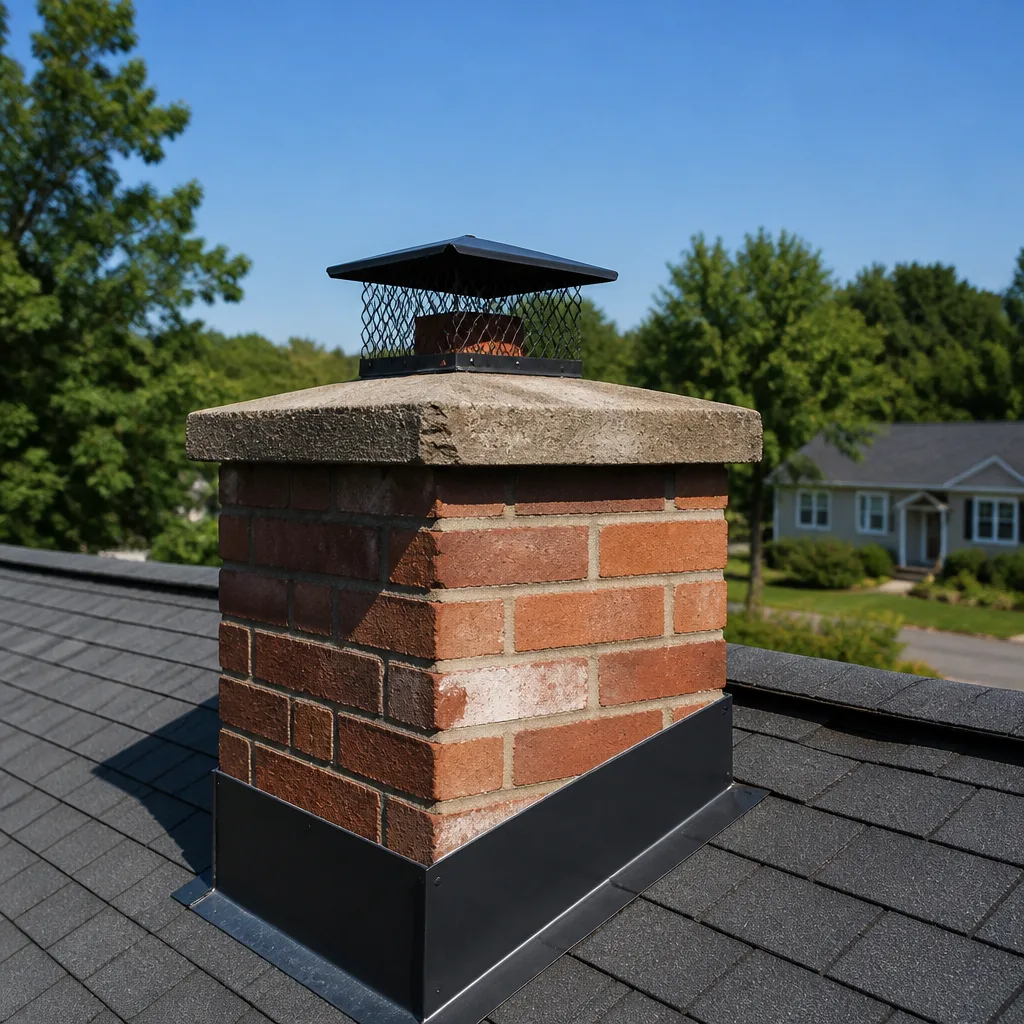 Sweep & inspection
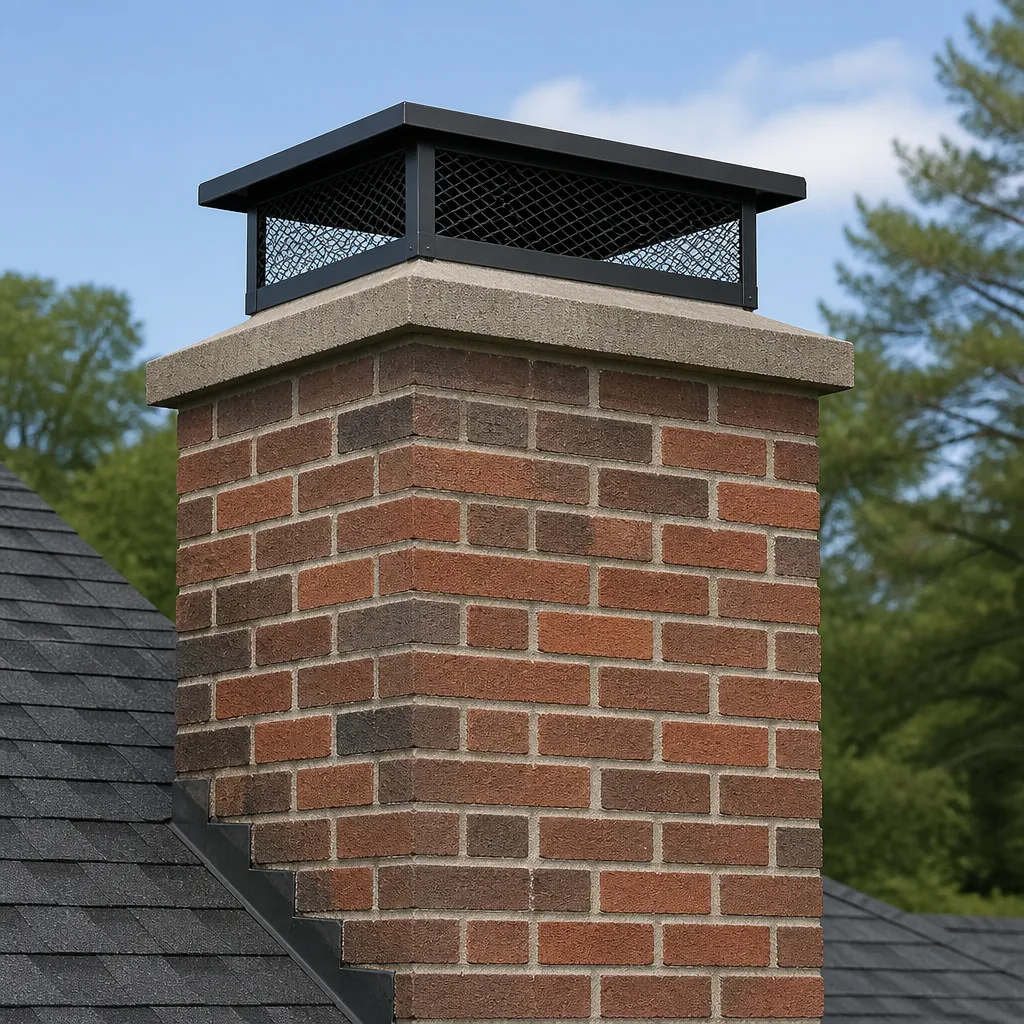 Caps & crowns
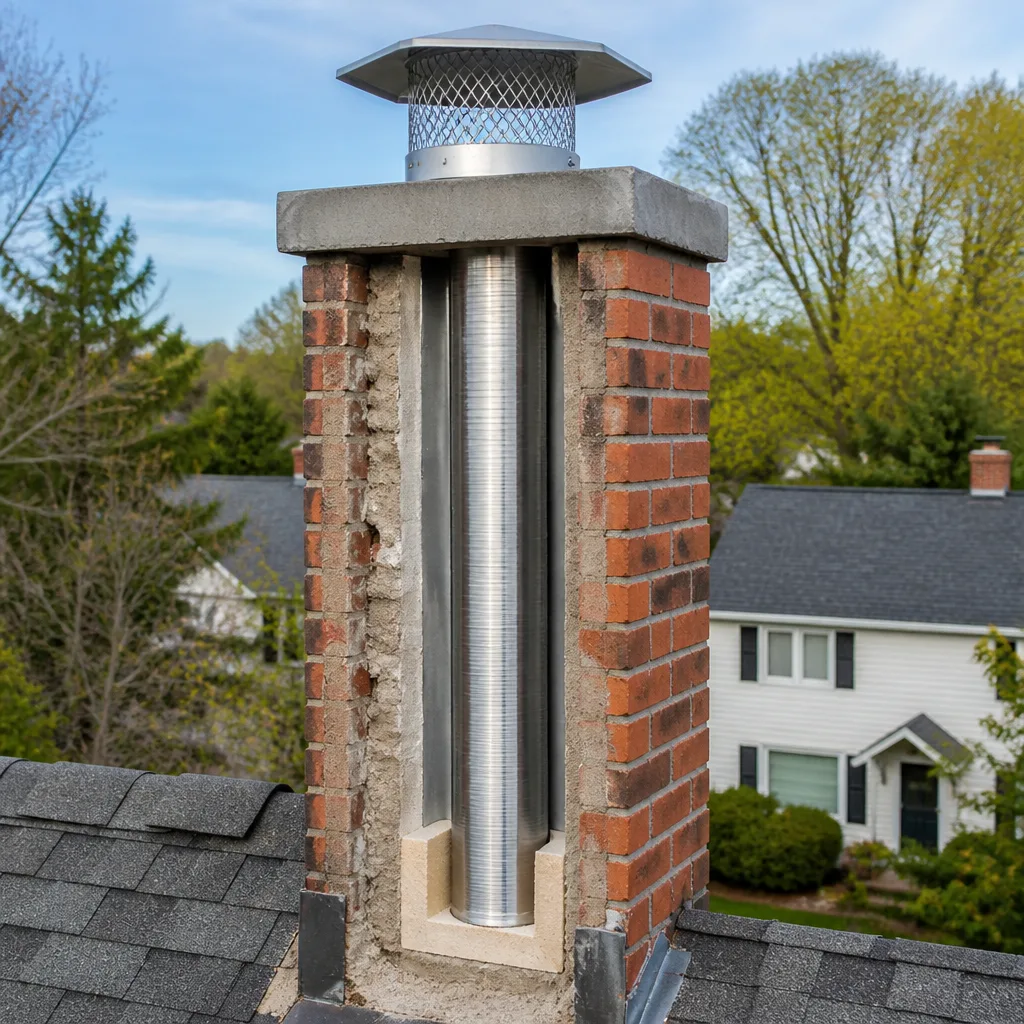 Flue relining
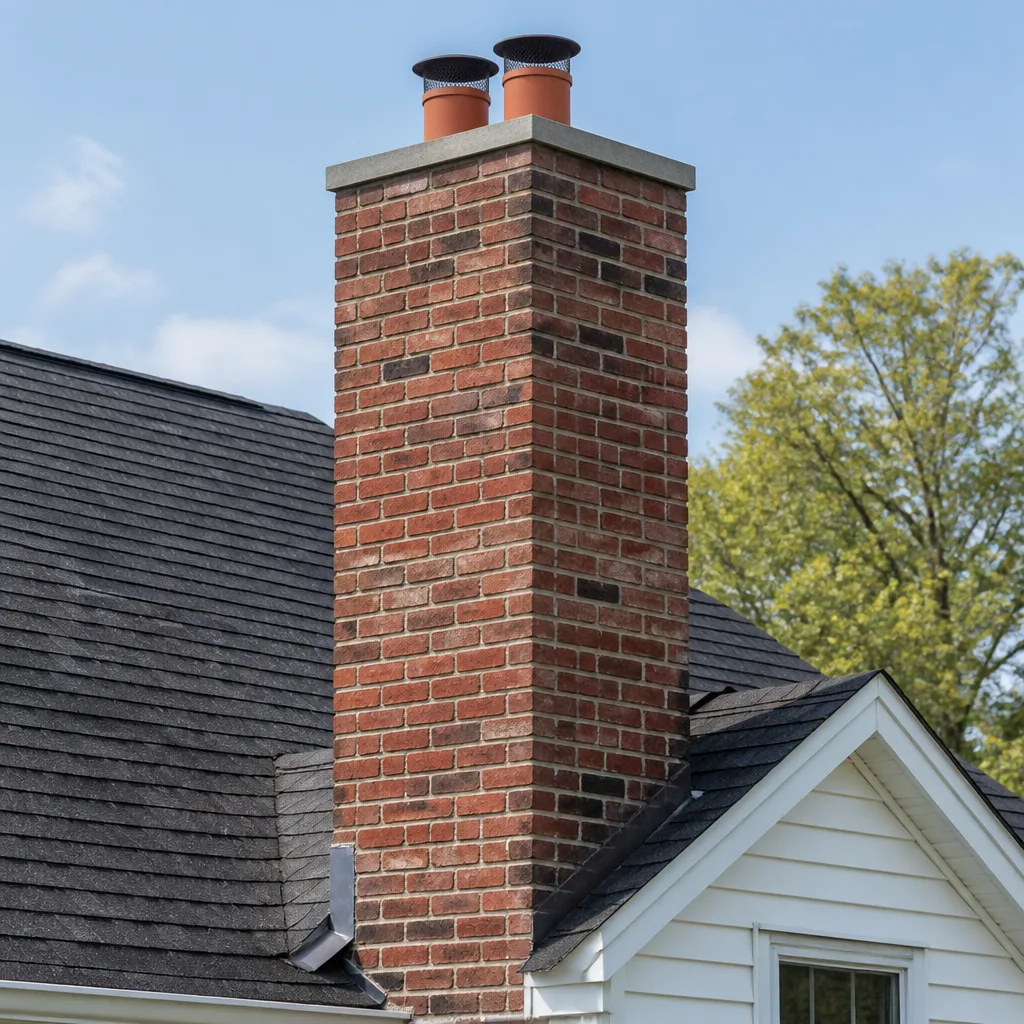 Masonry repair
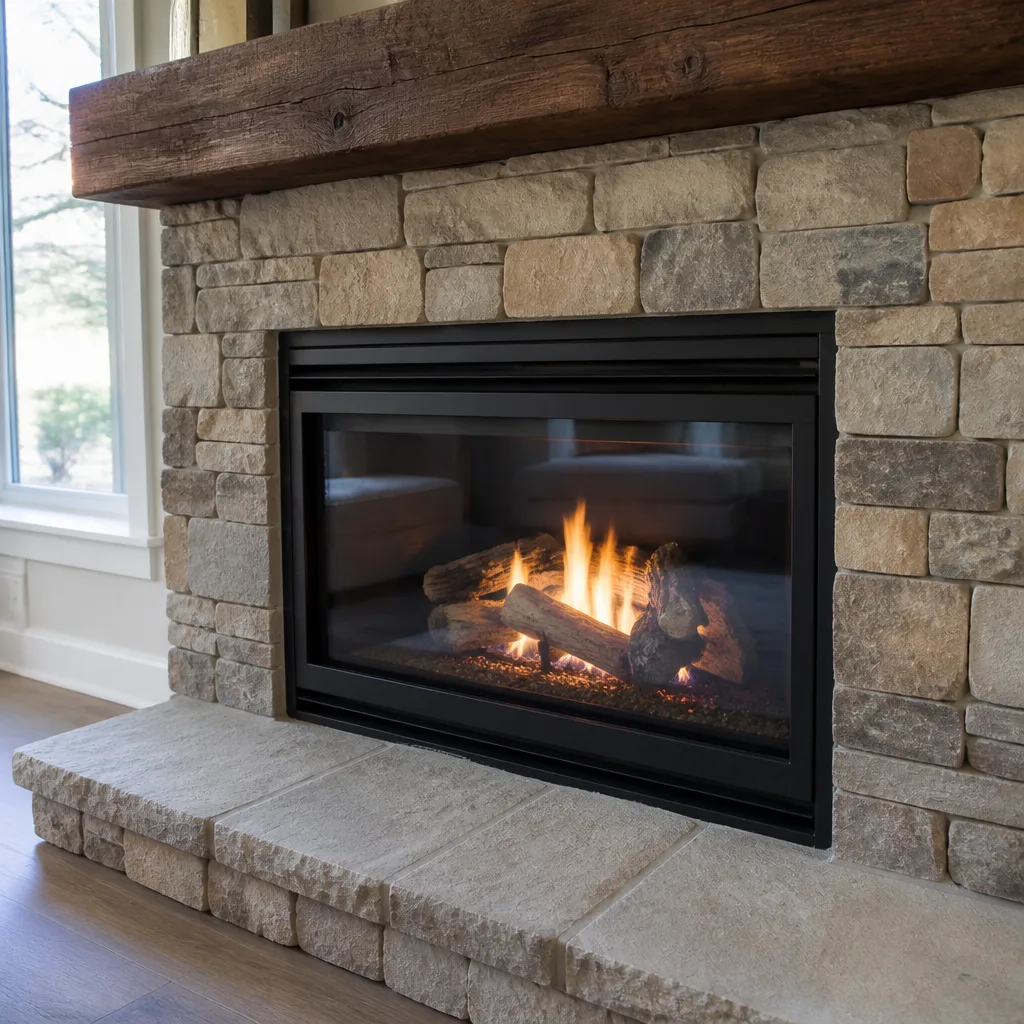 Gas fireplace service
Level 1 sweep and inspection to the NFPA 211 annual standard - flue, crown, cap, and flashing checked and photographed
Chimney sweep logs do not sweep chimneys. They loosen some creosote - which then falls where a brush and vacuum still have to collect it.
How to Hire a Chimney Cleaning Contractor in Brandon: A Step-by-Step Guide
Most Brandon homeowners assume any chimney sweep with a brush and a business card is interchangeable with the next one. That assumption is where the trouble starts. Florida has almost no barrier to entry for chimney work, so the difference between a qualified specialist and an unqualified one is invisible unless you know which questions to ask. Certification is the floor, not the ceiling; even a certified sweep can arrive with brushes and equipment that don’t suit your liner type or your creosote stage. This guide gives you the exact vetting questions and the specific red flags that expose that gap before you sign anything.
Quick Answer
To hire a chimney cleaning contractor in Brandon, verify five things before booking: valid certification through a recognized chimney body, liability insurance and workers’ comp coverage, a written scope of work, a camera-based inspection with a photo report, and a company that handles both cleaning and repair so you’re not handed off to a second contractor mid-job. Ask technical questions about liner materials and chemical treatments; the answers separate specialists from generalists faster than any review score will. Get the estimate in writing and confirm what’s included before work begins.
Styles & brands we work with
- Sweep & inspection
- Caps & crowns
- Flue relining
- Masonry repair
- Gas fireplace service
Table of Contents
- The Five Credentials That Actually Matter in Florida
- How to Verify Each Credential Before You Book
- Interview Questions That Reveal Technical Competence
- Red Flags Specific to the Florida Market
- What a Written Scope of Work Should Include
- How to Compare Quotes When the Scopes Differ
- Why the Brand of Materials Tells You Who You’re Hiring
- Common Mistakes to Avoid
The Five Credentials That Actually Matter in Florida
Florida does not license chimney sweeps the way it licenses electricians or plumbers. That single fact changes how you vet a contractor in Brandon. Because there’s no state-issued chimney license to check, the burden of verification lands on you, and the credentials that matter are the industry ones plus proof of insurance. Five items are worth your time:
- CSIA certification. The Chimney Safety Institute of America certifies sweeps through an exam and continuing education. It’s the baseline credential; ask for the certificate and check the number against the CSIA directory.
- NFI credential. The National Fireplace Institute certifies technicians on specific fuel types and appliance categories. If you burn wood, ask whether the technician holds a wood-burning credential; it signals training specific to your setup, not general handyman coverage.
- State licensing where it applies. Chimney work that crosses into structural repair or gas appliance work can pull in licensed trades. Ask which parts of your job touch a licensed scope and who holds that license.
- Liability insurance. A dropped brush, a cracked flue tile, a damaged cap: these happen. Ask for a certificate of insurance and confirm it covers chimney work specifically.
- Workers’ comp coverage. If a technician is injured on your property and the company carries no workers’ comp, the exposure can land on you. Ask for proof.
None of these are hard to produce if the contractor actually holds them. The speed and ease of the answer is itself a signal. A specialist working in Brandon keeps these documents current because they’re part of doing the job properly. A generalist who sweeps chimneys two days a month often can’t produce them at all.
CSIA certification, again, is a floor. It tells you the technician passed an exam and keeps up with education. It does not tell you whether their brush kit matches your liner material, whether they’ve been trained on chemical creosote treatments, or whether they’ll run a camera. Those come from the next set of questions.
How to Verify Each Credential Before You Book
Asking is not the same as verifying. Anyone can say “we’re certified.” Here’s how to confirm each item independently, in order, before you commit to an appointment:
- Look up the CSIA number yourself. Ask the company for the technician’s CSIA number and check it in the CSIA’s public directory. If the number doesn’t appear, that’s a stop sign. If the company deflects, that’s another.
- Request a certificate of insurance by email. Ask for both the liability and the workers’ comp certificates, naming the insurer and the policy dates. A current certificate takes minutes to produce. A stalled request tells you something.
- Confirm the NFI credential for your fuel type. If you burn wood in a fireplace or a wood stove, ask whether the tech holds an NFI wood-burning credential. If the technician can’t explain which NFI category applies to your appliance, they may not hold one.
- Ask who performs the work. The company should be able to name whether the same crew handles both cleaning and repair, or whether a subcontractor gets brought in for liner work. Either answer is honest; the vague answer is the problem.
- Ask for a sample written report. A company that produces written reports will have one to show you. The report should include photos of the flue interior, the creosote level observed, and the condition of the cap, crown, and flashing.
- Verify the local address and contact details. A sweeper working the Brandon market should have a local phone and a business presence you can find. The phone number to try is the one printed on the estimate or the website, not a number handed over door-to-door.
Each of these steps takes minutes, and together they filter out the bulk of unqualified operators. If you’re comparing three estimates, verify all three before you weigh price. Comparing quotes without verifying credentials is comparing the price of three different qualities of work.
Interview Questions That Reveal Technical Competence
A review count doesn’t tell you whether the technician knows what to do with an aging clay tile flue. The right interview questions force technical answers, and the answers separate specialists from the rest. Ask these on the phone before booking:
- “What brush material do you use on my liner type?” The correct answer changes with the flue. Clay tile, stainless steel, and cast-in-place liners all handle differently. A technician who answers “we use whatever we have” is not the technician you want.
- “What do you do about glazed creosote?” Standard brushing removes soot and soft creosote, but glazed, third-stage creosote needs a chemical treatment before the brush will bite. Ask what chemicals they use and how they apply them. A technician who brushes away at glazed creosote without a treatment step is risking damage.
- “Do you run a camera, and do I get the images?” A camera inspection shows the actual condition of the flue interior. A sweep who only looks from the firebox is guessing. Ask whether you receive the footage or photos afterward.
- “Which professional brands do you work with for liners and repair components?” Specialists name real chimney-industry brands: HeatShield for resurfacing and flue restoration, DuraFlex for relining, Olympia Chimney for flue and venting components. Generalists often name nothing, or name hardware-store substitutions.
- “Will the same company handle the repair if you find a problem?” Being handed off to a second contractor mid-job is a common pain point. Ask up front.
- “What does your written scope of work include?” The technician should be able to describe the scope in concrete terms: what gets cleaned, what gets inspected, what gets photographed, what gets reported.
We’ve seen the difference these questions make in our own work in Brandon. A homeowner who asks about brush material and glazed creosote gets a completely different visit than a homeowner who asks for “a sweep.” If you’d like to hear how our technicians answer these questions before you book, call us and ask.
Red Flags Specific to the Florida Market
Florida’s low barrier to entry means the market has features you won’t see everywhere. Some operators work storms and quiet periods, and the pattern shows up in how they arrive. Specific red flags worth watching for:
- Door-to-door sweeps after storms. Storm-chasing operators move through neighborhoods after weather events. If someone appears unannounced offering a “damage inspection,” that’s not how established specialists work. Call a company you found yourself.
- Upsell pressure during the inspection. A sweep who finds a problem should show it to you with photos and explain the consequence of skipping it, not pressure you to commit on the spot. If the technician says the liner must be replaced today or you’re in danger, ask to see the camera footage and take a day to think it over.
- No written report after service. A specialist leaves documentation. A sweep who’s in and out with no written summary or photos has left you with nothing to compare against the next visit.
- Vague answers about credentials. “We’re fully certified” without a number to check is a red flag in Florida, where certification is the primary assurance available.
- Price quotes without a scope. A number on the phone with no description of what’s included is not a quote. It’s a starting point that will move.
- Cash-only, no paperwork. Any transaction that leaves you without a written record of the work performed and the findings is one you can’t hold anyone accountable for.
- Second-contractor handoff mid-job. A sweeper who finds a problem and then says “you’ll need to call someone else for that” leaves you evaluating a whole new contractor with no relationship built.
We work in the Brandon market, and we know these patterns because we run into the aftermath of them. Our approach is the opposite: we find the problem and fix it. One call covers inspection, cleaning, and repair. You can read more about how we handle chimney sweep visits and what our report includes before you book.
What a Written Scope of Work Should Include
A written scope of work is the single most protective document in a chimney job. It’s what defines success, sets the price, and prevents the “while we were in there we found” conversation from turning into a surprise invoice. Before a technician begins work, the scope should spell out several things in writing:
- The specific tasks. “Sweep chimney” is vague. “Sweep the flue from the top, remove soot and creosote from the firebox and smoke chamber, and brush the cap” is a scope.
- The inspection level. Whether the visit includes a level 1, level 2, or level 3 inspection, and what each includes, should be written. A level 2 includes a camera, which is what you want on any liner you’re uncertain about.
- Photo report commitment. The scope should say you’ll receive photos of the flue interior and the exterior components afterward.
- What repair, if any, is included. If the quote includes repair, it should name the parts and the system (a HeatShield-resurfaced flue, a DuraFlex liner, a Gelco cap) rather than “repair as needed.”
- The price and how it’s set. The estimate is the price for the scope described. Any further work discovered during the visit should require a separate written estimate you approve before it happens.
- The disposal and cleanup terms. Where the soot and debris go, and who cleans up afterward, should be listed.
Vague language in a quote is information. “Repair as needed,” “additional work may be required,” and “call for pricing” tell you the contractor hasn’t defined the job, which means the invoice can drift. A specialist can commit to a scope because they know the work.
We take a different approach because our niche is chimney work, not general home services. The scope we write names the parts and the system, and it’s firm. If you want to know what a chimney repair scope looks like in Brandon, call us and ask for a sample.
How to Compare Quotes When the Scopes Differ
The most common comparison mistake is comparing prices on jobs that aren’t the same job. Three quotes for “a sweep” can vary by hundreds of dollars while describing completely different work: one includes a camera, one doesn’t; one covers the smoke chamber, one only the flue; one includes a written report, one leaves no documentation. Comparing those numbers directly is comparing apples to flashlights.
To compare accurately, do this:
- Line up the scopes side by side. Write out what each contractor included. If one scope has a line item another lacks, that’s a difference in work, not price.
- Identify what’s missing deliberately. If a cheap quote excludes the camera or the written report, add the cost of that work back in mentally. The cheapest quote is often the one that does the least.
- Ask each contractor to confirm the price is the price. “Is this the full price for the scope described?” The answer should be yes.
- Weigh material quality. A quote that names HeatShield for resurfacing, DuraFlex for relining, or Gelco for caps is quoting a known grade of material. A quote that names no brand is quoting a mystery component at a lower price.
- Look at who does the repair. If one quote requires a second contractor for the repair and another covers it in-house, price those separately before comparing.
- Confirm the estimate is free. Estimates in chimney work should be free and written. The price is set by the written estimate after the visit, and there should be no fee for producing it.
Our service area in Brandon puts us against every kind of competitor, which means we’ve had this conversation often. When you compare quotes, compare the scopes, then compare price. Never the other way around.
Why the Brand of Materials Tells You Who You’re Hiring
Brand names on a chimney quote are an easy signal, and most homeowners never read them. Professional-grade materials don’t just work better; the fact that a contractor carries them tells you who they are. Common examples:
- HeatShield is a proprietary chimney resurfacing system. It requires trained application, and it’s used to restore deteriorated flues without tearing out the whole system. A contractor who can apply HeatShield is working beyond basic sweeping.
- DuraFlex is a professional relining system. A contractor with DuraFlex in the toolkit can handle full relining projects, not just surface-level cleaning.
- Gelco and Famco supply purpose-built caps and flashing components. A contractor using them is handling weatherproofing and chase cover work with components designed for the job, not improvised fixes.
- Olympia Chimney is another specialist brand that shows up in properly scoped repair and venting work.
A generalist or a DIYer doesn’t usually stock these because they don’t know how to work with them. A specialist does because those are the materials that solve the problem correctly. When you see the brand names on a scope, you’re looking at trade-level sourcing.
Brandon Chimney Sweep works with professional chimney-industry brands: HeatShield, DuraFlex, Gelco, Olympia Chimney, Famco, and Copperfield. The list isn’t marketing; it’s the specific materials that determine whether a repair holds up. If you’re comparing quotes and one names its materials and the other doesn’t, the answer is on the page.
Common Mistakes to Avoid
- Booking on price alone. Chimney cleaning in Florida has almost no oversight, so the cheapest quote is often the one that does the least. Verify credentials first, then compare price.
- Accepting a verbal quote. A number spoken on the phone without a scope is not a quote; it’s a starting point that will move. Insist on a written scope of work and a written estimate before work starts.
- Skipping the camera inspection to save money. A camera is the only way to know your flue’s actual condition. Skipping it means you’re guessing about a system you can’t see into.
- Not asking for the report. A visit without a written report leaves you with nothing to compare on the next inspection. Ask for a photo report up front.
- Hiring a generalist to save a few dollars. A general handyman or HVAC contractor moonlighting in chimney work usually lacks the specialty tools and materials for your liner type. The savings on labor can disappear on the first repair.
- Signing off on a repair you haven’t seen evidence for. If a technician says the liner must be replaced, ask to see the footage. Any real specialist will show you.
- Comparing quotes that describe different jobs. A $200 quote and a $400 quote are only comparable if the scopes match. Otherwise you’re pricing different work.
See the difference
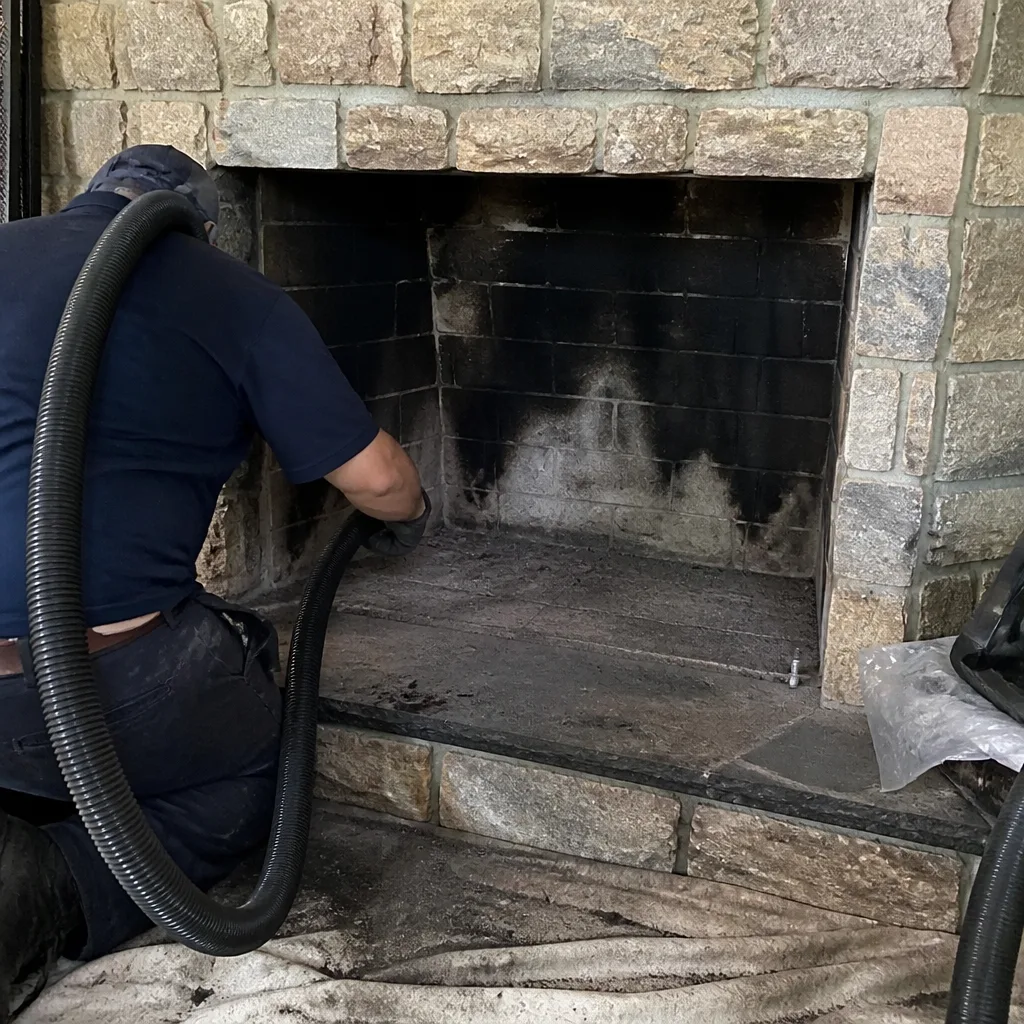 Before
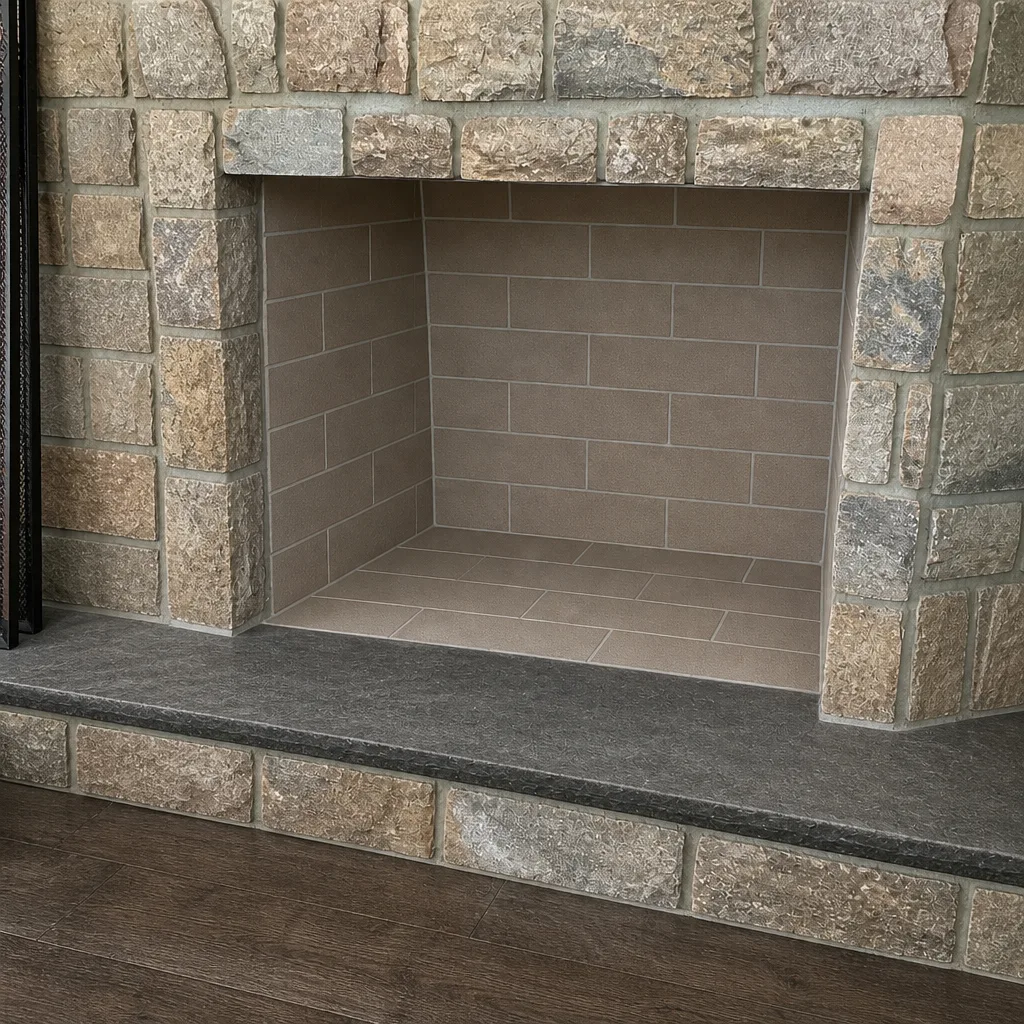 After
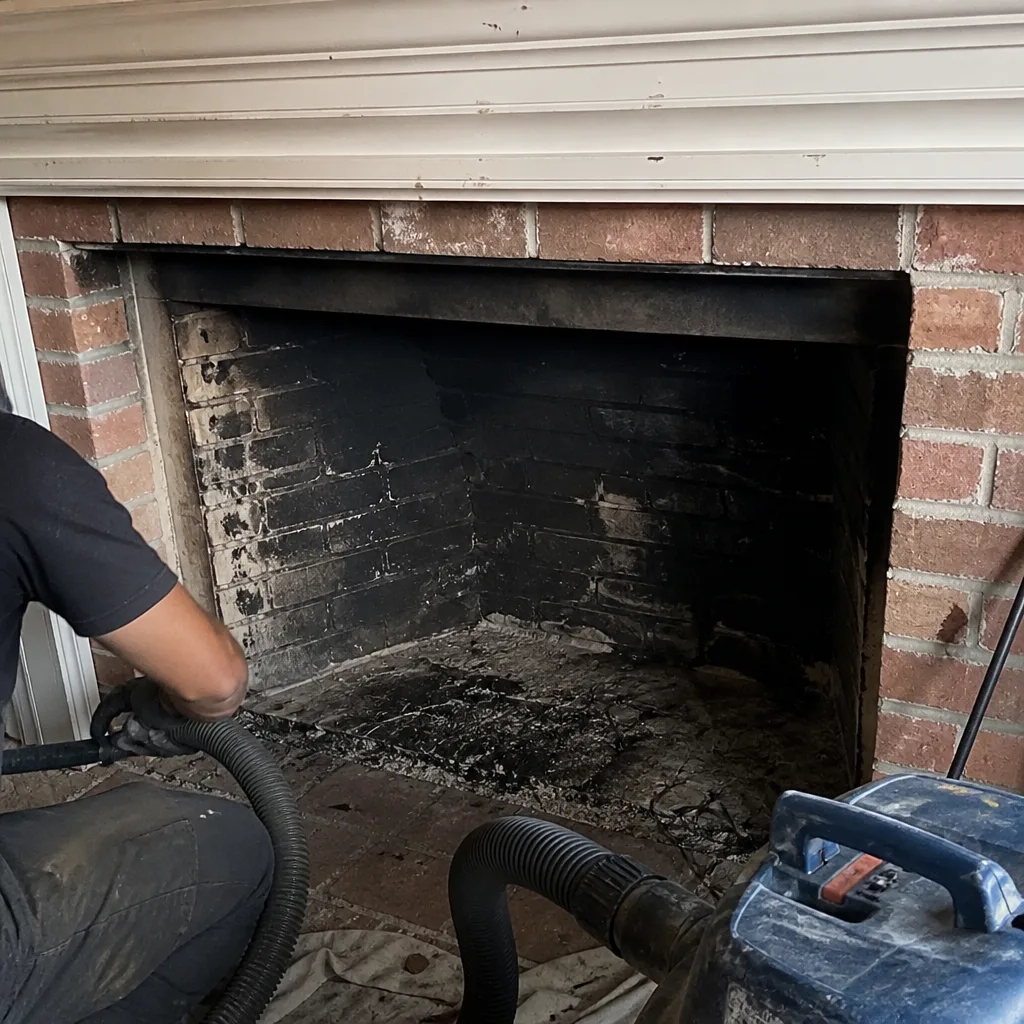 Before
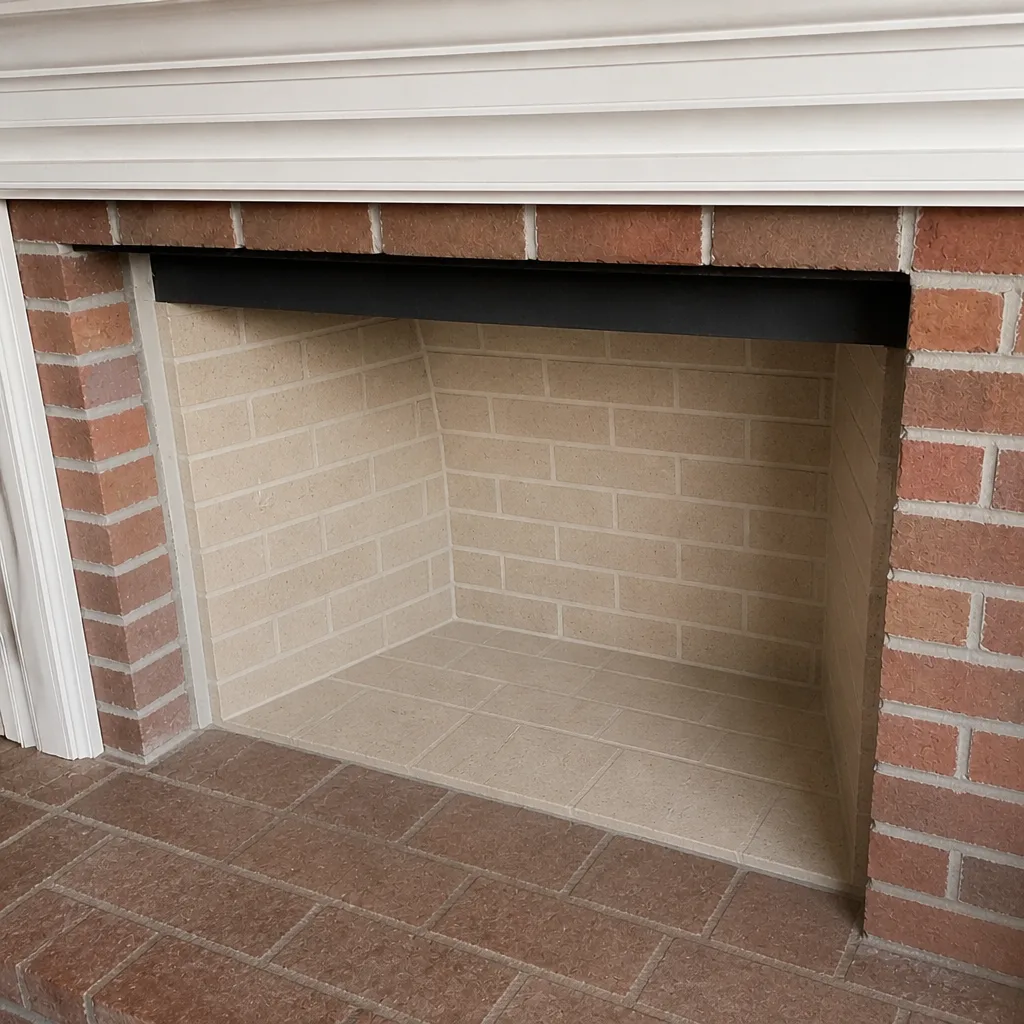 After
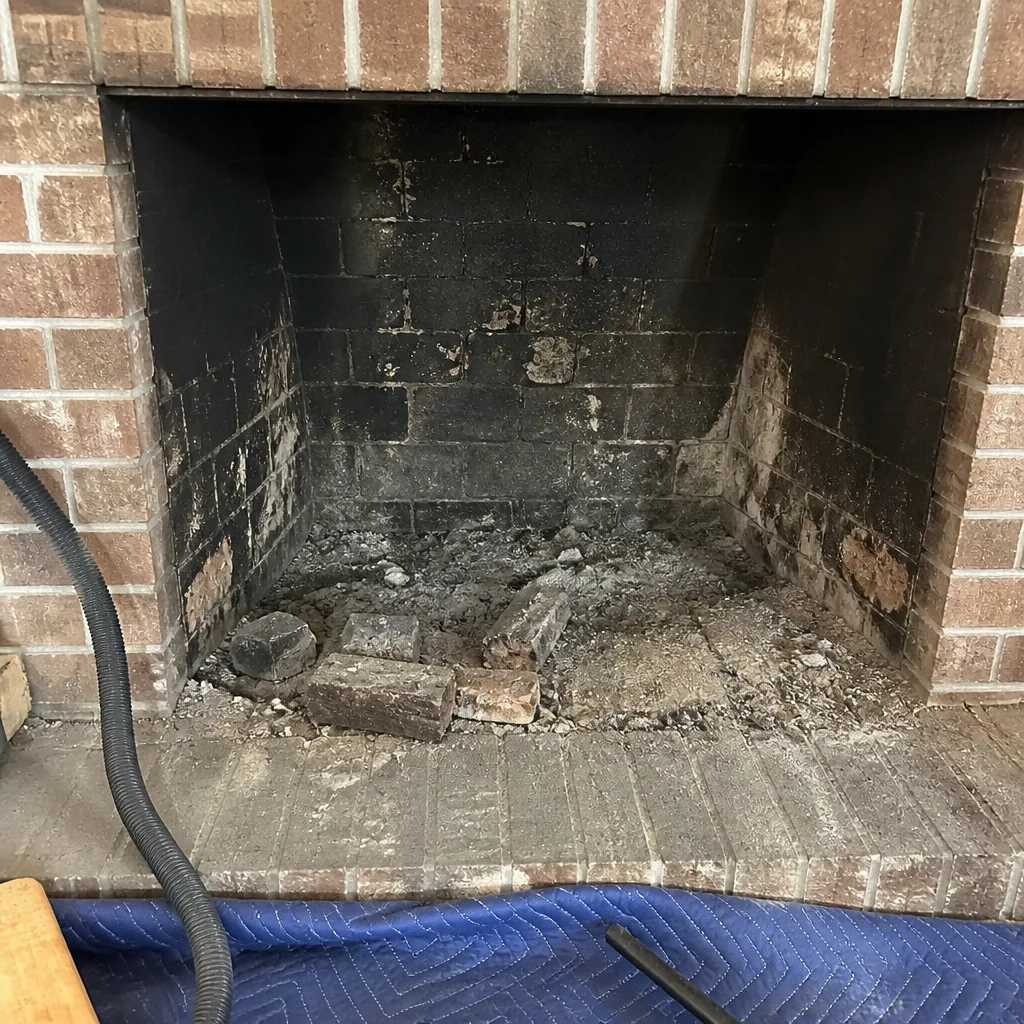 Before
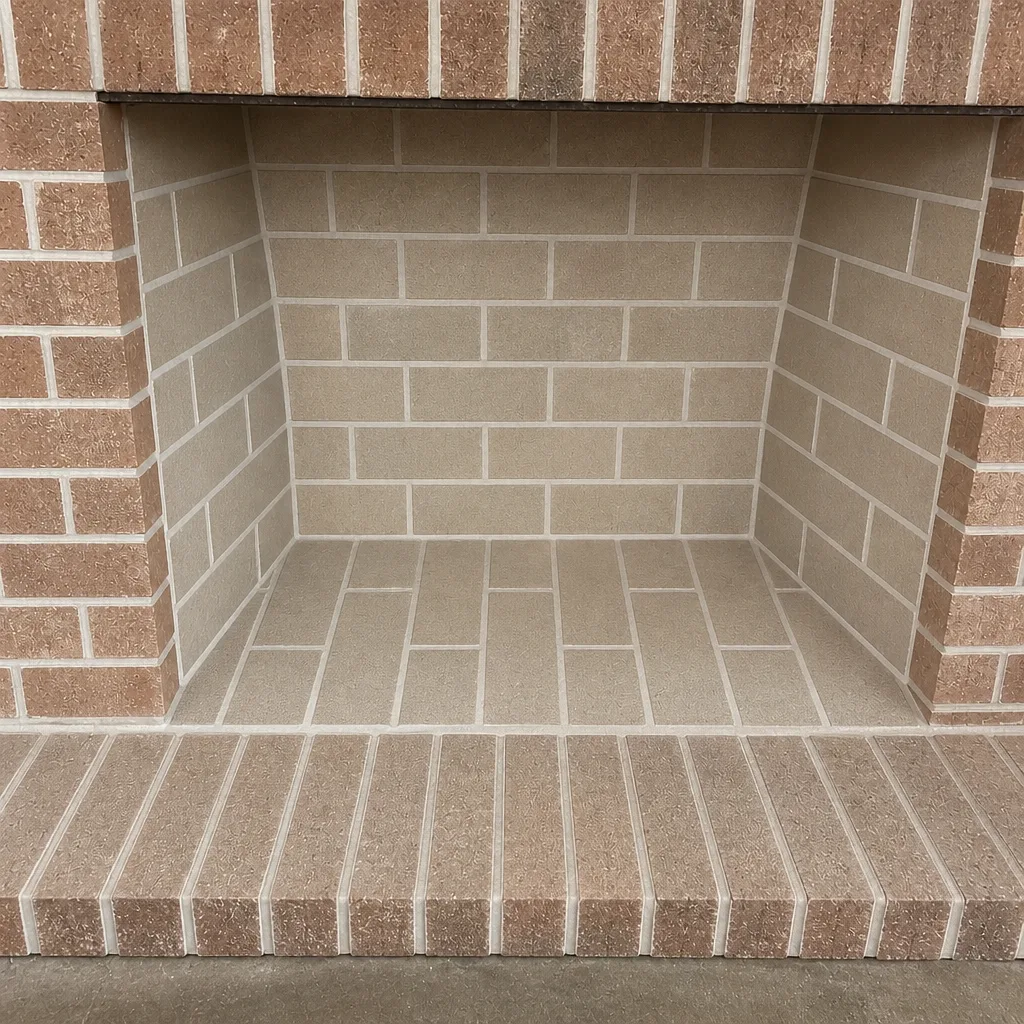 After
When to Call a Professional
Some chimney issues can wait; others can’t. Call a professional if you’ve never had your chimney inspected and you burn wood regularly, if you smell a strong smoky odor in the house when the fireplace is not in use, if you see black or glazed creosote buildup on the flue walls, if the damper sticks or won’t seal, or if you notice cracking in the chimney crown, missing mortar, or rusted flashing. Call also if the firebox produces smoke into the room, if a bird or animal has gotten into the flue, or if a storm has moved or damaged the cap. These aren’t jobs for guesswork. Brandon Chimney Sweep offers free estimates in Brandon; call (866) 501-5479 to book a visit, or read more about our Brandon Chimney Sweep service if you want to see what an inspection includes first.
Frequently Asked Questions
Most chimney sweeps in Brandon price by the visit, and the exact cost depends on your chimney, the access, and whether a camera inspection is included; the written estimate sets the final price. Ask for the estimate in writing, and confirm what the scope includes before you book. Call (866) 501-5479 for a free estimate.
Yes, if you don’t have documented evidence of your flue’s condition. A camera inspection shows cracks, gaps in the liner, creosote levels, and blockages that can’t be seen from the firebox. Without it, you’re trusting a visual guess. Call (866) 501-5479 to book an inspection with a photo report.
For a wood-burning fireplace in regular use, most industry guidance suggests an annual inspection, with sweeping when buildup reaches a measurable level. Brandon’s mild winters don’t change the creosote accumulation rate in a working fireplace; how much you burn does. If it’s been more than a year, book an inspection. Call (866) 501-5479.
Creosote builds up in layers on the flue interior, and at the glazed stage it can ignite, which is the fuel source for a chimney fire. The same buildup restricts draft and can push carbon monoxide back into the house instead of up the flue. Neither is a hypothetical risk in a fireplace with heavy use and no inspection. Call (866) 501-5479 to schedule a sweep and inspection.
Ask for their CSIA number, proof of liability and workers’ comp insurance, the brush material they use on your liner type, how they handle glazed creosote, whether they run a camera and provide a photo report, and whether the same company handles repair. The answers will separate a specialist from a generalist. Call (866) 501-5479 if you’d like to hear how we answer.
With us, yes. We handle inspection, cleaning, and repair under one company, so there’s no handoff to a second contractor mid-job. If the inspection turns up a repair, we quote it in writing and you approve it before work starts. Call (866) 501-5479 to book a sweep and inspection.
The Bottom Line
Hiring a chimney contractor in Brandon comes down to a small set of specific questions and a willingness to verify the answers. Confirm certification through the CSIA directory, ask for proof of insurance and workers’ comp, ask how the technician handles your liner type and glazed creosote, insist on a camera inspection with a photo report, and get a written scope of work before any tools come out. Specialists produce all of this without friction; generalists stall. Those are the signals that reveal what you’re actually hiring, long before the first dollar of repair work comes up.
If you’d like to work with one specialist who inspects, cleans, and repairs in Brandon, call Brandon Chimney Sweep at (866) 501-5479 for a free estimate. We answer 24/7. Fast dispatch from 7am to 7pm, Sunday through Friday. Estimates are free and written, and nothing is recommended without camera evidence you can see for yourself. Our technicians have up to 10 years of experience.
Written by the team at Brandon Chimney Sweep.